
How Pakistan positioned itself at the centre of global crisis management
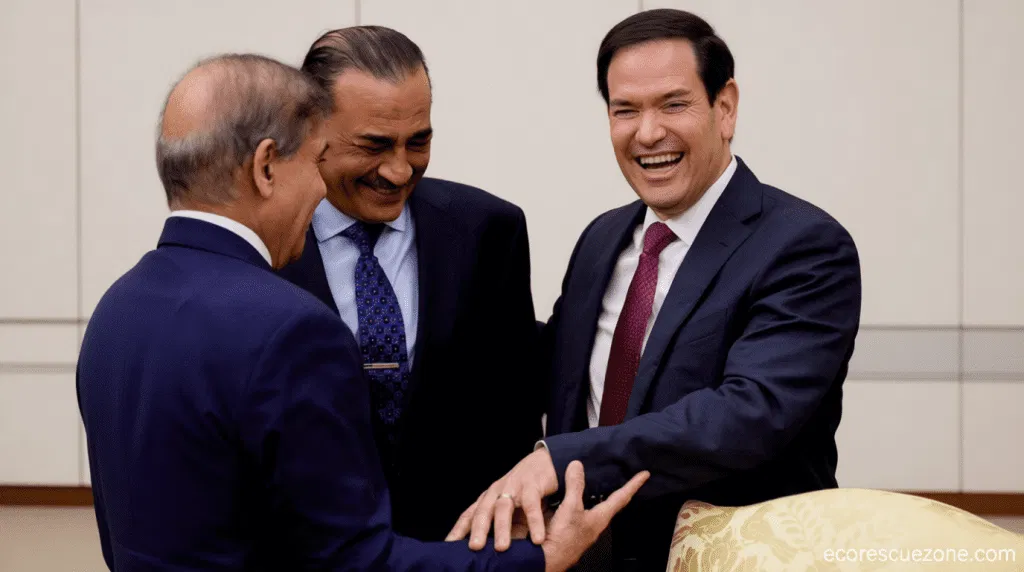
How Pakistan positioned itself at the centre of global crisis management
In the volatile landscape of Middle Eastern diplomacy, where conflicts and stability blur under the shadow of ongoing air strikes and shifting energy dynamics, Pakistan has emerged as a surprising player. Traditionally seen through the lens of economic instability, political unpredictability, and security challenges along its western border with Afghanistan, the nation is now stepping into a new role as a potential broker between the United States and Iran.
A Bold Diplomatic Move
A sudden proposal, unexpected by many in the region, positioned Islamabad as a neutral hub for direct talks between the Trump administration and Iran’s leadership. If this initiative succeeds, it could signal a temporary halt in a conflict that has disrupted global energy markets and stoked fears of broader regional warfare. The move also reflects a transformation in Pakistan’s strategic influence, shifting its image from a security risk to a key mediator in international crises.
Economic and Security Imperatives
According to an anonymous Islamabad security official, facilitating dialogue is a calculated strategy to safeguard the nation from the economic and security fallout of an extended war. “This position has not emerged overnight; it is the result of a sequence of decisions over the past year that have collectively restored Pakistan’s diplomatic reach,” the source added. For Islamabad, the focus is less on grand geopolitical aspirations and more on immediate survival, given its fragile economic state and the looming threat of energy shortages.
Pakistan’s economic recovery is heavily reliant on International Monetary Fund-imposed austerity measures. Escalating tensions between Iran and its adversaries have already caused oil prices to surge and heightened energy insecurity across Asia, with Pakistan bearing the brunt of these pressures. Officials warn of imminent liquefied natural gas shortages, which could deepen the country’s balance-of-payments crisis if not addressed promptly.
Border and Sectarian Challenges
The rugged 900-kilometre border between Pakistan and Iran has long served as a channel for militant activities, smuggling, and separatist movements. A regional conflict could further destabilize these areas, where the Pakistani government’s control is tenuous at best. Additionally, Pakistan’s internal demographics—approximately 15 to 20 percent Shia population, the largest outside Iran—make it highly attuned to developments in Tehran.
The assassination of Iranian Supreme Leader Ayatollah Ali Khamenei at the conflict’s onset triggered violent demonstrations in multiple Pakistani cities. This highlights how quickly Middle Eastern unrest can ripple into domestic affairs, underscoring the nation’s sensitivity to regional shifts.
Strategic Alliances and Risks
Pakistan’s alliances with Gulf states, especially Saudi Arabia, add another layer to its precarious position. A security pact signed with Riyadh in September last year, based on collective defense principles, has raised concerns that Islamabad might be drawn into the conflict if it escalates. Analysts suggest the country would have little flexibility in such a scenario.
“Pakistan, situated at the frontlines of the war, clearly prefers to act as a peace catalyst rather than a combatant,” wrote Michael Kugelman on X.
Meanwhile, the western border remains under sustained pressure from Islamist militants operating in Taliban-controlled Afghan territories. A separatist insurgency also continues to simmer in the south, further complicating Pakistan’s security landscape. These challenges, combined with economic strain, reinforce the urgency of Islamabad’s diplomatic outreach.
