
Iran Strait of Hormuz warning adds to shipping uncertainty
Iran Strait of Hormuz warning adds to shipping uncertainty
Iran’s Naval Threat and Ceasefire Terms
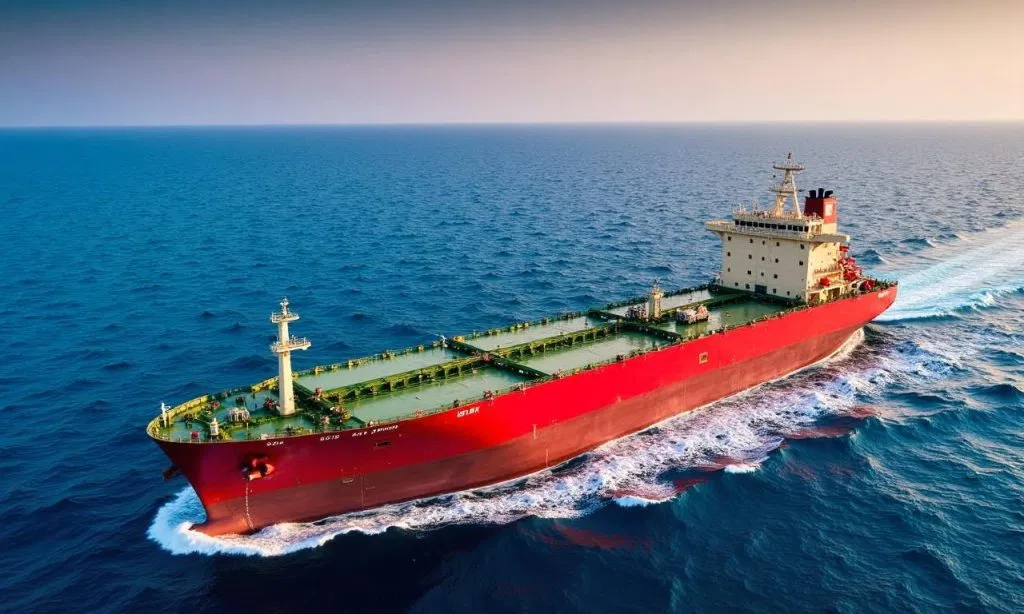
Iran’s navy has issued a caution to vessels attempting to traverse the Strait of Hormuz without prior approval, according to SSY, a shipping brokerage firm. The warning states that any ship breaching the waterway without permission will be “targeted and destroyed.” This follows a two-week ceasefire agreement, which was contingent on ensuring “safe passage” through the strait. However, only a handful of vessels have crossed since the deal was announced on Tuesday evening.
Economic Impact of the Strait’s Disruption
The Strait of Hormuz has emerged as a central battleground in the US-Israel conflict with Iran. By restricting one of the world’s key shipping routes, Tehran has disrupted the flow of oil and liquefied natural gas, which account for roughly 20% of global energy supplies. The five-week blockade has caused ripple effects across the global economy, inflating energy prices and highlighting the critical role the strait plays in international supply chains. At its narrowest, the waterway measures just 33 kilometers wide, making it a strategic choke point.
Shipping Reopening and Analyst Concerns
Analysts note that the number of crossings has remained low despite the ceasefire. BBC Verify’s analysis of MarineTraffic data reveals that by 14:00 BST on April 8, only three bulk carriers—NJ Earth, Daytona Beach, and Hai Long 1—had navigated the strait since the agreement. This is far below the average of 138 daily crossings before the conflict began on February 28. Uncertainty persists about whether these crossings were due to the ceasefire or prearranged exceptions.
“Most shipping lines would want to get details and reassurances on what it actually takes to transit,” said Lars Jensen of Vespucci Maritime. “And those details are not available.”
Routes and Safety Measures
The recent crossings suggest a shift in ship paths, with vessels taking a northern route near Iran’s coast and entering its territorial waters. Previously, ships typically used a more central route. This change raises questions about the safety of navigation, with analysts emphasizing the need for clear confirmation of the strait’s security. The International Chamber of Shipping’s Thomas Kazakos highlighted this, stating that “the safety of navigation for the ships and the seafarers are being agreed” remains a key concern.
Uncertainties for Ship Operators
Shipping experts warn of lingering risks, including the possibility of sea mines and potential toll payments to Iran for safe passage. Reports indicate that tolls may be part of the ceasefire deal, prompting hesitation among shipping lines. “The Iranian negotiation position seems to be that you need to pay a toll to go through the strait,” noted Jensen. “This could deter operators from resuming traffic unless the terms are fully clarified.”
“It has been a very dangerous time for ship owners,” said Richard Meade of Lloyd’s List. “They still face huge uncertainty about the strait’s control and the rules governing transit.”
Some nations, such as India, Malaysia, and the Philippines, have secured safe passage for their vessels, but others may face additional complexities if tolls are enforced. These payments could conflict with US sanctions on Iran, creating further complications for global shipping routes. Analysts like Niels Rasmussen from BIMCO suggest that the two-week ceasefire may not lead to a significant increase in traffic, as operators remain cautious about potential entrapment after the period ends.
