
Jamie Laing and Sophie Habboo: ‘Our new reality show leaves nothing out’
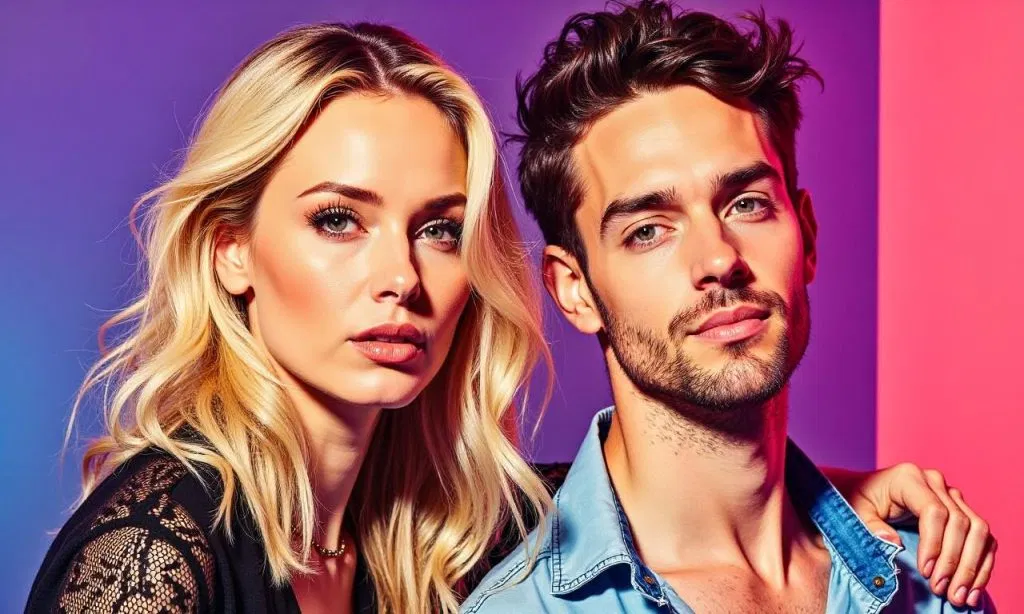
Jamie Laing and Sophie Habboo: ‘Our new reality show leaves nothing out’
Less than four months after the birth of their son Ziggy, Jamie Laing and Sophie Habboo are unveiling a new three-part documentary titled *Raising Chelsea*. The series captures their journey through pregnancy and early parenthood, offering an unfiltered look at the challenges and triumphs of building a family. For fans who have followed their lives since the couple first appeared on *Made in Chelsea*, this latest project promises a raw and intimate glimpse into their personal world.
A Public Journey
Since meeting on the reality series *Made in Chelsea*, Jamie Laing and Sophie Habboo have had their relationship constantly in the spotlight, with fans observing every aspect—both positive and negative. Their on-screen dynamic of uncertainty transformed into the *NearlyWeds* podcast upon engagement, later evolving into *NewlyWeds* after their marriage. This new chapter sees them embrace the same level of transparency, documenting their transition into parenthood with cameras in tow.
Filming Approach
Unlike traditional reality shows, *Raising Chelsea* was shot with a single-camera setup, giving it a vlog-like feel. Sophie Habboo explains that this method allowed for a more natural experience. “We only had one camera so it was very vlog style, and there are lots of times I didn’t know we were even filming,” she says. “I quickly forgot the cameras were there, which meant arguments unfolded as they normally would, only for me to worry about them afterwards.”
“People are used to following our journey, so documenting this and having an audience come with us felt really natural and fun,” Habboo adds.
Jamie Laing, who also runs the sweets brand Candy Kittens, emphasizes that the approach was intentional. “If there were three cameras and a set-up, it feels forced,” he explains. “We wanted to capture everything and I wanted to make sure it was really real so you see everything.” He reveals that even intense moments were kept in, as the couple made a conscious decision to avoid editing out anything.
“There is nothing off limits—I don’t like the idea of a filtered version of ourselves, it’s not true, authentic or real,” Laing reflects.
Authenticity and Audience Connection
When the pair launched their podcast in 2021, Sophie Habboo aimed to present her “best foot forward” and edited out some details to maintain a polished image. However, Jamie ensured every episode included all content, which she initially found unsettling. “Jamie made sure every episode kept everything in, which was horrifying,” she recalls. But the audience’s response proved rewarding. “The reaction from listeners was that they loved it and felt connected, like they weren’t alone,” she says.
Despite their commitment to authenticity, both acknowledge the emotional toll of constant exposure. Sophie admits to moments of doubt about where to draw the line between private and public. “There are moments where it’s a lot,” she says. “You can even hear me in the show saying ‘I’m not doing this’ at certain points.” Jamie, on the other hand, is more at ease with the process, though he admits to learning over time how to handle the criticism that comes with it.
Challenges of Exposure
Being so open means facing a barrage of opinions, from fans to critics. Laing jokes about a particularly harsh comment he recalls: “Sophie thought she’d read the Daily Mail one day and the first comment was: ‘Why does she look like an Afghan hound?'” Habboo adds that such remarks are common, with people scrutinizing even minor features like her eyebrows. “They’re evil, they’re so mean,” she says. “I don’t know what they’re going to say when they see me pregnant.”
The couple’s willingness to show both joy and discomfort is central to the documentary. Laing describes himself as “more anxious” during the process, while Habboo admits she is “worse on no sleep.” Their goal remains clear: to create a show that feels like real life, unpolished and unfiltered. “There’s not much authentic TV out there, so we wanted to create something real,” Habboo concludes.
