
Negotiators face huge task to close gaps in rival Iran peace proposals
Negotiators face huge task to close gaps in rival Iran peace proposals
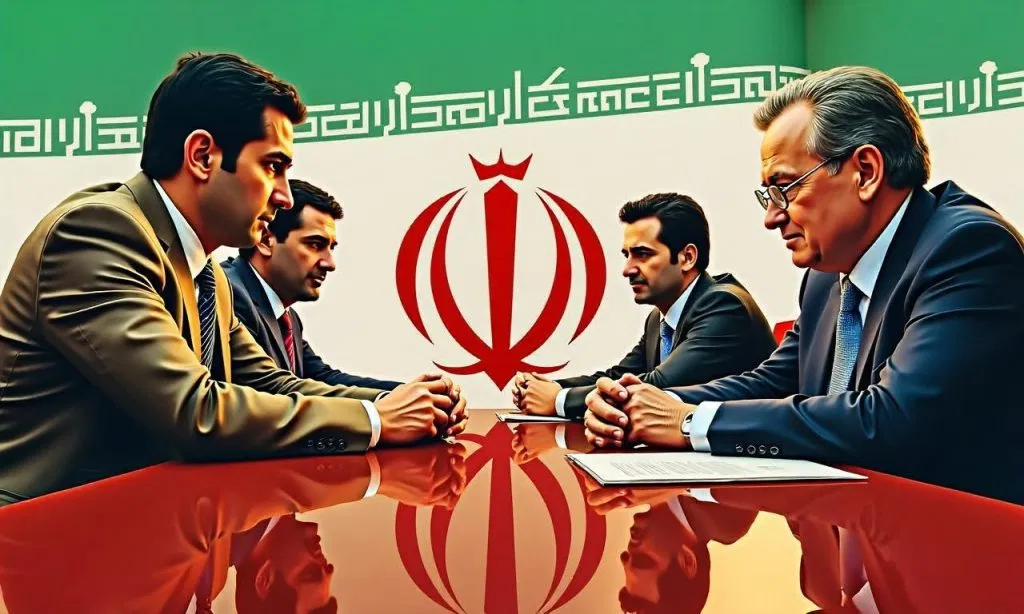
As the clock ticked down toward an imposed deadline, U.S. President Donald Trump revealed a two-week pause in hostilities to halt the ongoing conflict. The discussions are set to take place in Islamabad, with Pakistan acting as the mediator, possibly beginning on Friday. Despite this progress, significant disputes remain unresolved, beginning with the core framework of the negotiations.
On Truth Social, Trump highlighted that the U.S. had received a 10-point proposal from Iran, which he called “a workable basis for negotiation.” Meanwhile, Iran’s Foreign Minister Abbas Araghchi noted the U.S. had presented a 15-point plan that could lead to a resolution. However, neither proposal has been officially shared, though leaked versions suggest stark differences in expectations between the two sides.
The White House has dismissed media reports of the Iranian plan as not reflecting the “working framework” provided to U.S. officials. Anwar Gargash, a senior advisor to the UAE president, acknowledged the ambiguity, stating:
“A lot of details are not very clear. There are different statements coming out of Iran, from Washington and from the Pakistani mediator. So, we need to reconcile the details of these statements and understand exactly what the way forward is.”
Central disputes and nuclear ambitions
The U.S. has long cited Iran’s pursuit of nuclear weapons as the main justification for the war, even as Tehran has consistently denied such claims. American officials claim sufficient damage has been inflicted since last year’s 12-day conflict, arguing it would take Iran extensive time to rebuild its nuclear capabilities. Yet, the fate of 440kg of highly enriched uranium, still held by Iran, remains unclear.
Trump frequently refers to the uranium as “dust,” claiming it is buried under the rubble of the Nuclear Technology/Research Centre in Isfahan, following last year’s heavy attacks. U.S. Defense Secretary Pete Hegseth told reporters:
“Their dust is deeply buried and watched 24/7. There will be no Iranian nuclear weapons. Period. Full stop.”
Iran insists any agreement must recognize its right to enrich uranium for civilian purposes under the Nuclear Non-Proliferation Treaty (NPT). Oman, which mediated between the U.S. and Iran prior to the war, suggested a viable deal was already in play. However, the U.S. remains firm on its demands, including the dismantling of all major nuclear facilities and the cessation of uranium enrichment within Iran.
Missile program and strategic implications
Trump’s 15-point plan also requires Iran to halt ballistic missile development, cease long-range missile production, and stop transferring drones and military equipment to regional allies. The U.S. argued that Iran’s missile program had shielded its nuclear ambitions, but the Pentagon reports that much of this shield has been dismantled. According to Gen Dan Caine, chairman of the U.S. Joint Chiefs of Staff, 80% of Iran’s missile facilities, 80% of its air defense systems, and 90% of its weapons factories have been destroyed.
This shift has prompted Iran to reconsider its stance on missile and drone programs. While the regime previously refused to discuss limits on its ballistic capabilities, the current situation may push Tehran toward compromise. Meanwhile, Iran’s recent willingness to open the Strait of Hormuz hints at potential relief for global trade, which has faced disruptions over the past month.
