
U.S. forecast to bring extreme heat, cold and everything in between
U.S. forecast to bring extreme heat, cold and everything in between
Across the nation, extreme weather conditions are wreaking havoc as the country braces for a dramatic shift in temperatures. From the tropics to the tundra, meteorologists predict a rollercoaster of climate events, with some regions facing record-breaking heat while others endure unseasonable cold. This sudden change, known as weather whiplash, has already left a mark on much of the eastern United States.
Washington, D.C., recently experienced a stark contrast, as residents navigated sweltering 86-degree Fahrenheit weather in shorts one day and snowfall the next. “The entire country, even if you’re not seeing extremes directly, is undergoing a rapid shift between cold and warm conditions,” said Marc Chenard, a National Weather Service meteorologist. This pattern is expected to intensify, with the polar vortex driving Arctic air into the Midwest and East, pushing temperatures into single digits in some areas.
In the Southwest, a heat dome is set to form, casting a shadow over Arizona and New Mexico. Phoenix, for instance, could see temperatures exceeding 100 degrees Fahrenheit by early next week—far earlier than historical norms. According to the National Weather Service, the city’s first 100-degree day typically occurs in early May, but this year, readings may hit triple digits as early as March. “The impact will be significant because we’re not used to this level of heat this early,” noted Ryan Maue, former NOAA scientist.
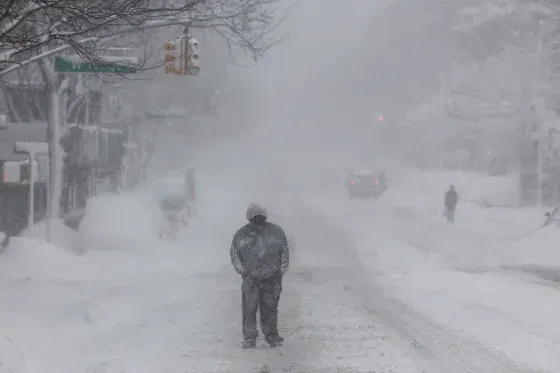
Meanwhile, the northern Great Lakes are preparing for a blizzard. Two storm systems, one on Friday and another on Sunday into Monday, will deliver heavy snowfall, with some locations anticipating up to three feet. The second storm is particularly intense, with barometric pressure dropping rapidly, creating a bomb cyclone—a rare phenomenon typically fueled by oceanic warmth. This system, however, will draw energy from the polar vortex instead.
Further south, Texas and Oklahoma face high winds of up to 60 mph, increasing wildfire risks in areas with minimal rainfall. Nebraska Governor Jim Pillen declared an emergency and activated the National Guard to combat over 550 square miles of burning land. “Strong winds and low humidity have made these fires challenging to contain,” the Emergency Management Agency reported.
As the Midwest and East shiver under freezing temperatures, Hawaii is drowning in rain. An atmospheric river has triggered persistent downpours, leading to flash flood warnings on Oahu. Alaska, usually icy this time of year, may drop 30 degrees below average, creating a stark contrast with the southern states.
“Since we are not acclimated to this level of heat this early in the year, it will be more impactful than usual,” said Ryan Maue, who highlighted the unusual March warmth in Phoenix.
Jeff Masters of Yale Climate Connections warned that the same storm system responsible for snow in the Midwest could spawn a severe ice storm further south. This weather volatility underscores a broader trend: extreme conditions are becoming more frequent, with every state potentially affected.
