
What we know about the LaGuardia plane and fire truck crash
What we know about the LaGuardia plane and fire truck crash
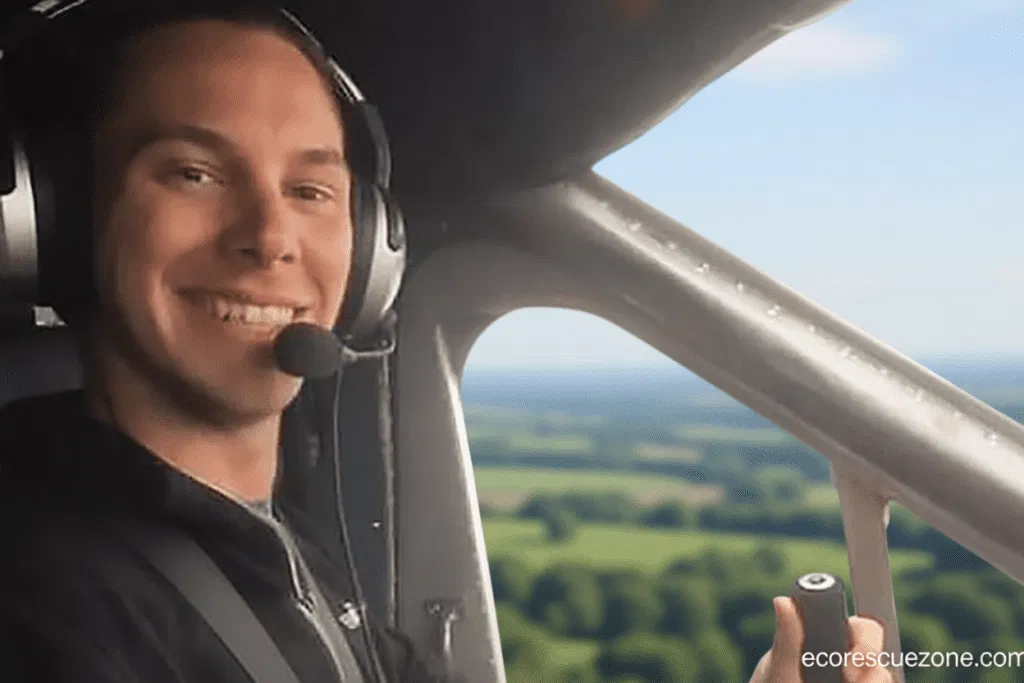
The fatal collision at LaGuardia Airport involving a passenger jet and a Port Authority fire truck has led to the identification of the two pilots who lost their lives. Antoine Forest and Mackenzie Gunther, based in Canada, were confirmed as the victims by Canadian news outlets and a college associated with one of them. Authorities have not yet officially named the pair, though details about their roles and the incident have been shared.
Preliminary Findings from NTSB
At a Tuesday afternoon press briefing, NTSB senior aviation investigator Doug Brazy outlined early data from the cockpit voice recorder, revealing critical moments before the crash. The firetruck was given clearance to cross Runway 4 just 20 seconds prior to the collision. Brazy noted that the flight crew communicated with LaGuardia’s control tower at 2 minutes and 22 seconds, confirming the plane was in a stable approach at 54 seconds. However, a transmission from an airport vehicle was “stepped on” by another radio call, leading to potential interference.
“There was some sort of interference with the transmission,” said NTSB Chairwoman Jennifer Homendy.
Homendy explained that the tower instructed the firetruck to cross the runway at 20 seconds, but just 9 seconds later, the truck was told to stop. A sound consistent with the landing gear touching down occurred at 8 seconds, followed by a pilot handover at 6 seconds. The local controller, who logged in at 10:45 p.m., managed active runways and airspace, while the controller in charge oversaw safety operations and clearance delivery duties.
Controller Roles and Responsibilities
Homendy highlighted that the tower had two personnel during the crash: a local controller and the chief controller. She emphasized the chief controller’s broader responsibilities, including departure clearances. “We have conflicting information about who handled ground control duties,” she noted, as some reports suggest the local controller was involved, while others point to the chief.
“I do not know, I have no indication that was a factor here, but it is a shift we’ve focused on in past investigations,” Homendy added.
The crash, which occurred late Sunday night, resulted in 72 passengers and two crew members being injured. While most were released after minor injuries, several remained hospitalized with severe trauma. Jack Cabot, 22, a passenger on the Canada Air flight, described the pilots’ quick actions to reduce the impact. “From my seat in the 18th row, I could feel them trying to slow the plane,” he said, adding that he suffered a cheek bruise and neck strain during the event.
Over 40 individuals were taken to medical facilities for treatment following the incident. The Federal Aviation Administration and National Transportation Safety Board are examining the crash to understand how the firetruck crossed the runway’s path after the aircraft landed. Their findings will clarify the sequence of events and determine if procedural lapses contributed to the tragedy.
