
Senators vote to block their pay during future government shutdowns
Senators Vote to Block Pay During Future Government Shutdowns
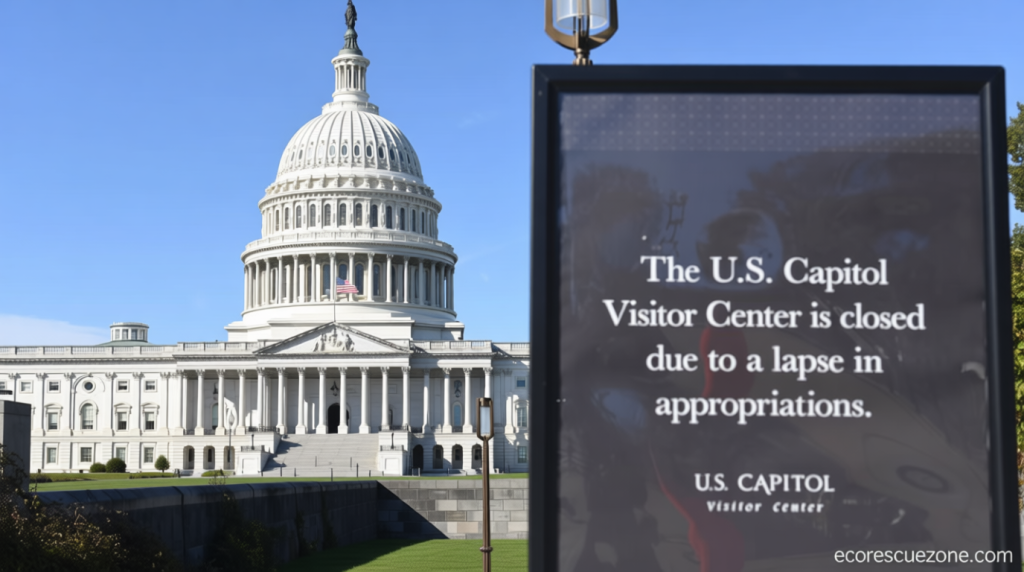
Senators vote to block their pay during – On Thursday, the Senate took steps to prevent its members from receiving compensation during periods of government closure. The resolution, championed by Louisiana Republican Senator John Kennedy, gained new relevance following two landmark shutdowns in recent months. These events—spanning 43 days in 2025 and a record 76-day halt to operations at the Department of Homeland Security—highlighted the financial strain on federal agencies and sparked debates over the role of lawmakers in prolonging such disruptions. The proposed measure, which does not require approval from the House or the president, is set to take effect after the midterm elections in November, binding senators to forgo pay during shutdowns.
John Kennedy’s initiative has been framed as a bold move to align congressional accountability with the economic consequences of shutdowns. The resolution, passed via voice vote, aims to ensure that lawmakers cannot benefit from the fiscal turmoil caused by their own decisions. While the measure has garnered support, some senators have raised questions about its constitutional validity. The U.S. Constitution explicitly mandates that representatives and senators be paid from the Treasury, with no exceptions specified. This has led to discussions about whether the resolution infringes on the lawmakers’ guaranteed rights or introduces a new form of financial discipline.
The timing of the vote has been significant, as the recent shutdowns underscored the financial risks of prolonged congressional gridlock. In 2025, a 43-day shutdown left thousands of federal workers without pay and disrupted critical services across the nation. Earlier this year, the Department of Homeland Security faced a 76-day shutdown, marking the longest in the agency’s history. These episodes have prompted calls for reforms to reduce the financial burden on public services and the taxpayers who fund them. Kennedy’s resolution is seen as a direct response to these challenges, though its impact depends on how it is implemented and whether it can withstand legal scrutiny.
Despite the constitutional debate, Kennedy remains confident in the measure’s viability. “This isn’t about taking away their pay—it’s about holding them accountable for the consequences of their actions,” he argued during a Senate floor speech. The resolution’s proponents claim it creates a clear incentive for senators to prioritize timely budget agreements, thereby minimizing the economic fallout of shutdowns. However, critics argue that the measure could be used as a political tool to pressure opponents or limit the ability of lawmakers to negotiate without financial leverage.
Senate Minority Leader Chuck Schumer, a vocal advocate for the measure, expressed optimism about its passage. “Yes, I’m going to vote for it, and I think it has a lot of support,” he stated in a pre-vote interview. Schumer emphasized that the resolution reflects a growing consensus among lawmakers to address the inefficiencies of shutdowns. He also noted that the measure’s focus on accountability aligns with broader efforts to streamline government operations and reduce partisan brinkmanship. “This is a step toward making our system more efficient,” Schumer added, though he acknowledged the need for further discussion on its broader implications.
The resolution’s simplicity has been both its strength and its point of contention. Unlike complex legislation that requires extensive debate and compromise, it was approved with minimal procedural hurdles. The Senate’s voice vote, which allows members to express approval without recorded votes, has been criticized as a rushed process. Yet, the measure’s proponents argue that its urgency mirrors the real-time pressures of shutdown negotiations. “The House has some ideas on that as well, so we’ll see what consensus we can build on,” said Speaker Mike Johnson, who has not yet committed to a similar proposal for House members. His cautious stance highlights the potential for divergence between the two chambers on this issue.
While the Senate’s action is binding, the House’s position remains fluid. Johnson’s reluctance to endorse a comparable measure for his own lawmakers suggests that the House may approach the issue differently. Some analysts speculate that the House could adopt a similar strategy, using it as leverage in budget disputes or to reduce the financial stakes of shutdowns. Others believe the measure might be seen as a partisan move, favoring Senate interests over House members. This divergence could lead to uneven rules for each chamber, complicating efforts to reach a unified stance on shutdowns.
The resolution’s potential impact extends beyond immediate financial savings. By tying lawmakers’ pay to the continuity of government operations, it introduces a new layer of accountability. Critics argue that this could discourage senators from taking bold positions in negotiations, fearing the loss of income. Supporters, however, contend that it fosters a sense of shared responsibility, ensuring that the costs of shutdowns are felt by those who cause them. “This isn’t about punishing them—it’s about ensuring they think twice before causing another shutdown,” said one Republican senator during the debate.
The constitutional questions surrounding the measure have drawn attention from legal experts. While the Constitution mandates that salaries be paid from the Treasury, it does not specify that they must continue during shutdowns. This ambiguity has led to interpretations that could shape the resolution’s future. Kennedy’s team has defended the measure, asserting that it falls within the Senate’s authority to regulate its own compensation. “The Constitution allows for flexibility in how salaries are managed, especially during emergencies,” Kennedy explained. However, opponents warn that the resolution could set a precedent for further restrictions on congressional pay, potentially opening the door to additional measures in the future.
As the resolution moves forward, its success will depend on how it is applied in practice. If the Senate enforces the rule rigorously, it could deter future shutdowns or at least limit their duration. Conversely, if exceptions are made for political emergencies, the measure’s effectiveness may be undermined. The debate also raises broader questions about the balance between legislative authority and financial responsibility. With the midterm elections approaching, the resolution serves as a reminder of the stakes involved in budget negotiations and the role of lawmakers in shaping the nation’s fiscal landscape.
Senator Kennedy’s initiative has sparked a renewed conversation about the role of pay in political decision-making. The measure underscores the Senate’s willingness to take unilateral action to address perceived inefficiencies. While the House’s position remains uncertain, the resolution has already set a precedent for how lawmakers might regulate their own compensation in times of crisis. As the political calendar unfolds, the implications of this decision will continue to shape the dynamics of congressional leadership and the cost of gridlock in the years to come.
“Yes, I’m going to vote for it, and I think it has a lot of support,” said Chuck Schumer, the Senate Minority Leader, during a pre-vote interview.
CNN’s Ellis Kim contributed to this report. The resolution’s passage marks a pivotal moment in the ongoing effort to redefine how government shutdowns affect both lawmakers and the public. With the political landscape shifting and the stakes of fiscal negotiations rising, the Senate’s decision may serve as a model for other legislative bodies or a warning about the costs of inaction. As the next phase of the political cycle approaches, the measure’s legacy will be closely watched, not only for its immediate effects but also for the long-term changes it may inspire in congressional governance.
