
Revitalizing Cities: Urban Environmental Projects Transforming Communities
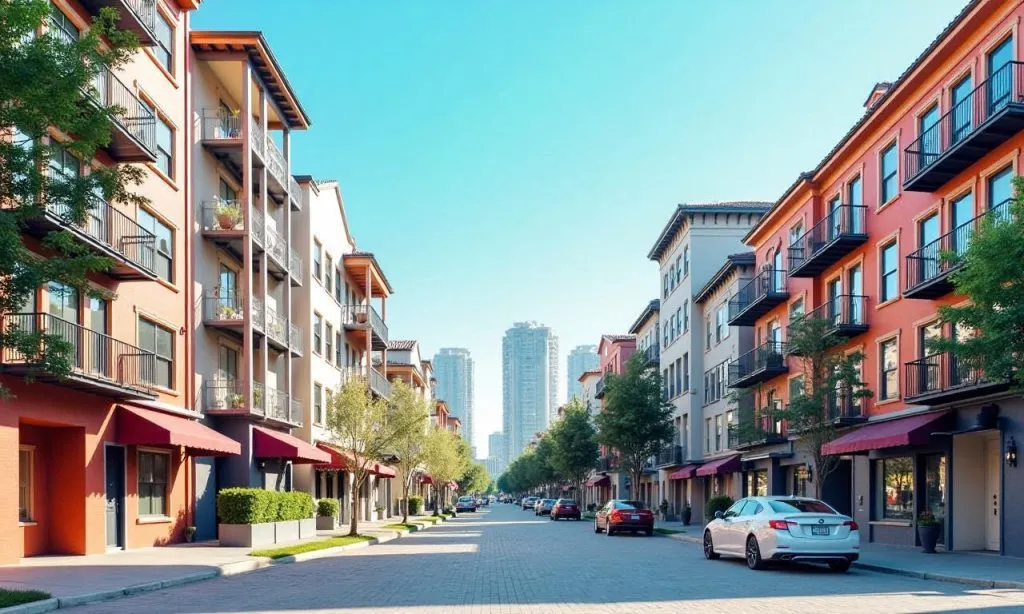
Urban Environmental Rehabilitation Projects: The Key to Sustainable City Development
Cities around the world are facing mounting environmental challenges, from air and water pollution to the loss of green spaces and increasing temperatures. As urban populations grow, the need for urban environmental rehabilitation projects has become more urgent than ever. These initiatives aim to restore degraded urban areas, improve ecological health, and create livable, resilient communities. By addressing environmental degradation through strategic planning and innovative solutions, cities can not only reduce their carbon footprint but also enhance the quality of life for residents. This article explores how urban environmental rehabilitation projects are transforming urban landscapes, the key components of successful implementation, and their broader impact on sustainability and community well-being.
The Role of Urban Environmental Rehabilitation Projects in Sustainable Development
Urban environmental rehabilitation projects are not just about fixing environmental issues—they are about reimagining the relationship between cities and nature. These projects focus on restoring ecosystems, reducing pollution, and integrating green infrastructure into urban planning. Unlike traditional development models that prioritize economic growth at the expense of the environment, urban environmental rehabilitation projects emphasize long-term ecological balance and social equity. For instance, reclaiming contaminated land for parks or wetlands can turn polluted sites into valuable community assets, providing both environmental and social benefits. This approach is essential in addressing the unique challenges of urban areas, where limited space and high population density often exacerbate environmental stressors.
Key Strategies in Urban Environmental Rehabilitation Projects
Effective urban environmental rehabilitation projects rely on a combination of strategies tailored to local needs. One of the most common approaches is the creation of green spaces, such as urban forests, rooftop gardens, and vertical greenery. These spaces help absorb pollutants, regulate temperature, and offer recreational areas for residents. Additionally, integrating sustainable transportation systems—like bike lanes and electric public transit—reduces reliance on fossil fuels and cuts down on greenhouse gas emissions. Another vital strategy is the cleanup of industrial areas, where soil and water contamination can be addressed through phytoremediation, bioremediation, or advanced filtration technologies. These methods ensure that rehabilitation efforts are both efficient and cost-effective.
Addressing Climate Resilience Through Urban Environmental Projects
Climate change has made cities more vulnerable to extreme weather events, such as floods, heatwaves, and storms. Urban environmental rehabilitation projects play a critical role in enhancing climate resilience by incorporating adaptive measures into urban design. For example, constructing permeable pavements and restoring wetlands can mitigate flood risks by improving water absorption in urban areas. Similarly, planting native vegetation and creating urban green belts reduce the urban heat island effect, making cities more comfortable during hot summers. These projects also help protect biodiversity, which is increasingly threatened by habitat fragmentation and pollution. By addressing climate challenges proactively, cities can build stronger, more sustainable infrastructures for future generations.
Community Engagement in Urban Environmental Rehabilitation Projects
The success of urban environmental rehabilitation projects depends heavily on community involvement. Engaging local residents ensures that these initiatives align with the needs and priorities of the people who live in the area. Community-led projects, such as tree-planting campaigns or waste management programs, foster a sense of ownership and responsibility among citizens. Moreover, involving community members in the planning process increases transparency and trust, which are vital for long-term sustainability. Education and awareness programs also play a key role in helping residents understand the benefits of these projects, from improved air quality to enhanced biodiversity. When communities are actively involved, the outcomes of urban environmental rehabilitation projects are more likely to be enduring and impactful.
The Economic and Social Benefits of Urban Rehabilitation Efforts
Beyond environmental improvements, urban environmental rehabilitation projects bring significant economic and social benefits. Revitalizing degraded areas can boost local economies by attracting investment, creating jobs, and increasing property values. For example, converting abandoned lots into community gardens or parks can generate income through tourism and improve the overall aesthetic of neighborhoods. Socially, these projects promote inclusivity by providing accessible public spaces for people of all ages and backgrounds. They also enhance mental and physical health, as access to clean air, green spaces, and safe walking environments reduces stress and encourages active lifestyles. In this way, urban environmental rehabilitation projects contribute to both ecological and human well-being, making them a cornerstone of modern city development.
Challenges and Future Directions for Urban Environmental Rehabilitation
Despite their potential, urban environmental rehabilitation projects face several challenges. Limited funding, bureaucratic delays, and competing land-use priorities often hinder progress. Additionally, ensuring long-term maintenance and community support requires sustained effort and collaboration between governments, businesses, and residents. To overcome these obstacles, cities must adopt innovative financing models, such as public-private partnerships or green bonds, to fund large-scale initiatives. Technology also plays a growing role, with data-driven planning and smart infrastructure solutions improving the efficiency of rehabilitation efforts. As climate change and urbanization continue to shape the future of cities, the importance of urban environmental rehabilitation projects will only increase, offering a path toward greener, more livable urban environments.
Case Studies of Successful Urban Rehabilitation Projects
Examining real-world examples highlights the transformative potential of urban environmental rehabilitation projects. In cities like Singapore and Copenhagen, large-scale green infrastructure programs have turned once-polluted areas into thriving ecological zones. For instance, Singapore’s “City in a Garden” initiative has integrated green spaces into urban planning, reducing temperatures and improving air quality. Similarly, Copenhagen’s focus on sustainable transportation has minimized pollution and enhanced urban mobility. These case studies demonstrate that with proper planning and community collaboration, urban environmental rehabilitation projects can serve as blueprints for other cities facing similar challenges. By learning from these successes, urban planners can replicate effective strategies and accelerate the pace of environmental recovery.
The Impact of Urban Environmental Rehabilitation on Public Health
Public health is a key beneficiary of urban environmental rehabilitation projects. Improved air quality, reduced noise pollution, and increased access to green spaces have measurable effects on residents’ well-being. Studies show that exposure to clean air and natural environments can lower the incidence of respiratory diseases, cardiovascular issues, and mental health disorders. In addition, urban environmental rehabilitation projects often include initiatives like waste reduction programs and clean water systems, which directly address health risks linked to environmental degradation. By prioritizing public health in urban planning, cities can create environments that support both ecological balance and human health. This holistic approach ensures that rehabilitation efforts are not just environmental but also health-focused, leading to more resilient and equitable urban communities.
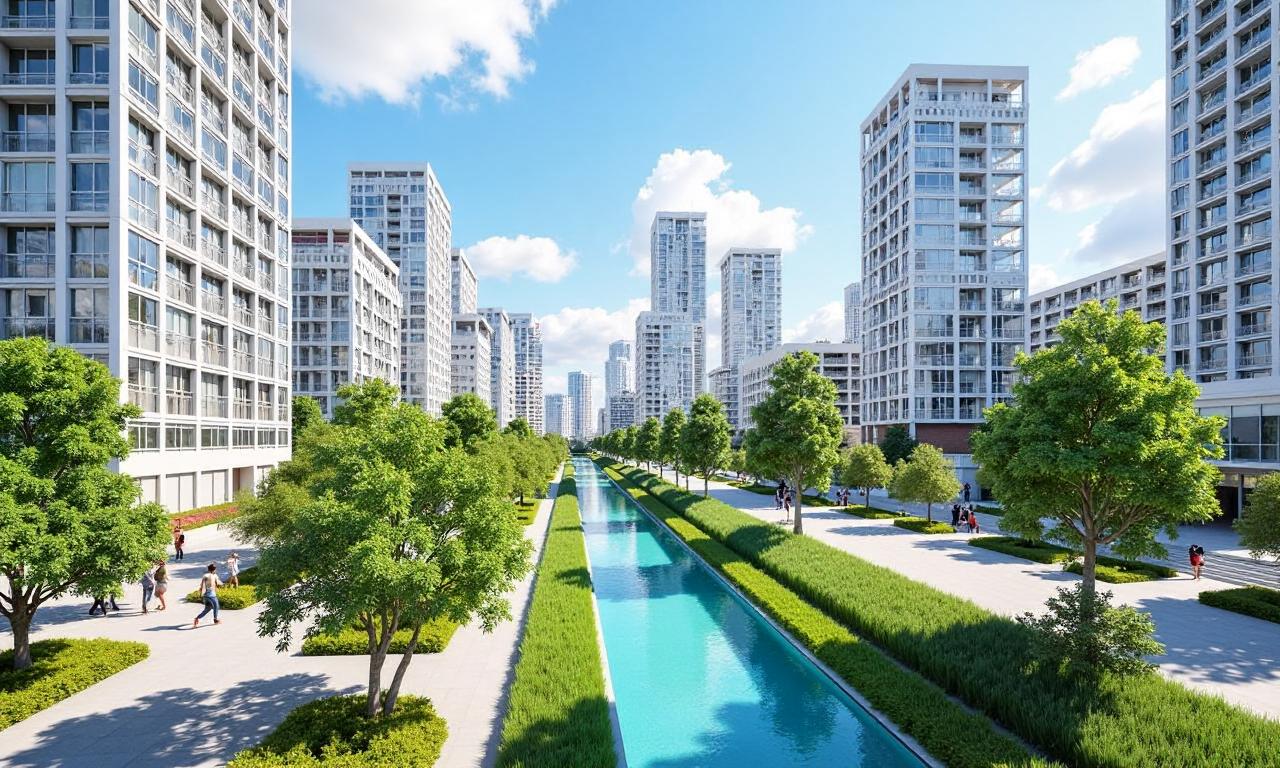
Integrating Innovation and Technology in Urban Rehabilitation
Innovation and technology are revolutionizing how urban environmental rehabilitation projects are designed and executed. Advanced tools such as GIS mapping, environmental sensors, and AI-driven analytics help urban planners identify areas in need of intervention and monitor progress in real time. For example, smart irrigation systems reduce water waste in urban green spaces, while renewable energy installations, like solar panels on public buildings, lower the city’s carbon footprint. Technology also enables citizen participation through mobile apps that report pollution levels or track the impact of green initiatives. By leveraging these advancements, cities can optimize resource use, improve efficiency, and create more sustainable urban ecosystems.
The Role of Policy in Supporting Urban Environmental Rehabilitation
Government policies play a crucial role in the success of urban environmental rehabilitation projects. Incentives such as tax breaks, grants, or zoning changes can encourage developers and businesses to invest in sustainable practices. Regulations that limit industrial pollution or mandate green building standards also ensure that rehabilitation efforts are consistent and effective. Moreover, policies that promote public-private partnerships can accelerate funding and implementation. Cities like Paris and Berlin have demonstrated how strong policy frameworks can drive large-scale environmental transformation. These policies not only support immediate improvements but also create a foundation for long-term sustainability, ensuring that urban environmental rehabilitation projects remain a priority in urban development strategies.
The Future of Urban Environmental Rehabilitation Projects
As cities continue to grow, the need for urban environmental rehabilitation projects will only intensify. The future of urban sustainability lies in proactive measures that address environmental, economic, and social challenges simultaneously. This includes expanding green spaces, adopting renewable energy, and improving waste management systems. Additionally, future projects must prioritize climate adaptation, ensuring that cities can withstand the impacts of global warming. With increasing public awareness and technological advancements, the potential for urban environmental rehabilitation projects to create healthier, more resilient urban environments is vast. By investing in these initiatives, cities can pave the way for a sustainable future that benefits both people and the planet.
Conclusion
In summary, urban environmental rehabilitation projects are essential for transforming cities into sustainable, healthy, and resilient environments. By addressing pollution, enhancing green spaces, and integrating innovative solutions, these projects offer a holistic approach to urban development. They not only improve ecological balance but also contribute to economic growth and social well-being. With continued investment, community involvement, and supportive policies, cities can achieve long-term environmental goals. The future of urban life depends on these initiatives, which serve as a blueprint for sustainable development in the face of growing environmental challenges.
FAQ
Q: What are urban environmental rehabilitation projects? A: Urban environmental rehabilitation projects are initiatives aimed at restoring degraded urban environments through ecological, social, and economic interventions.
Q: How do urban environmental rehabilitation projects benefit communities? A: These projects improve public health, create recreational spaces, and enhance economic opportunities by transforming polluted areas into sustainable and livable environments.
Q: What challenges do urban environmental rehabilitation projects face? A: Challenges include limited funding, bureaucratic hurdles, and the need for long-term maintenance, but these can be overcome through innovation and community collaboration.
Q: Are urban environmental rehabilitation projects cost-effective? A: Yes, these projects often yield long-term savings by reducing healthcare costs, increasing property values, and minimizing environmental damage.
Q: What role does technology play in urban environmental rehabilitation projects? A: Technology enhances efficiency through data analysis, smart infrastructure, and citizen engagement tools, making rehabilitation efforts more targeted and sustainable.
