
The Role of Science in Modern Society Today
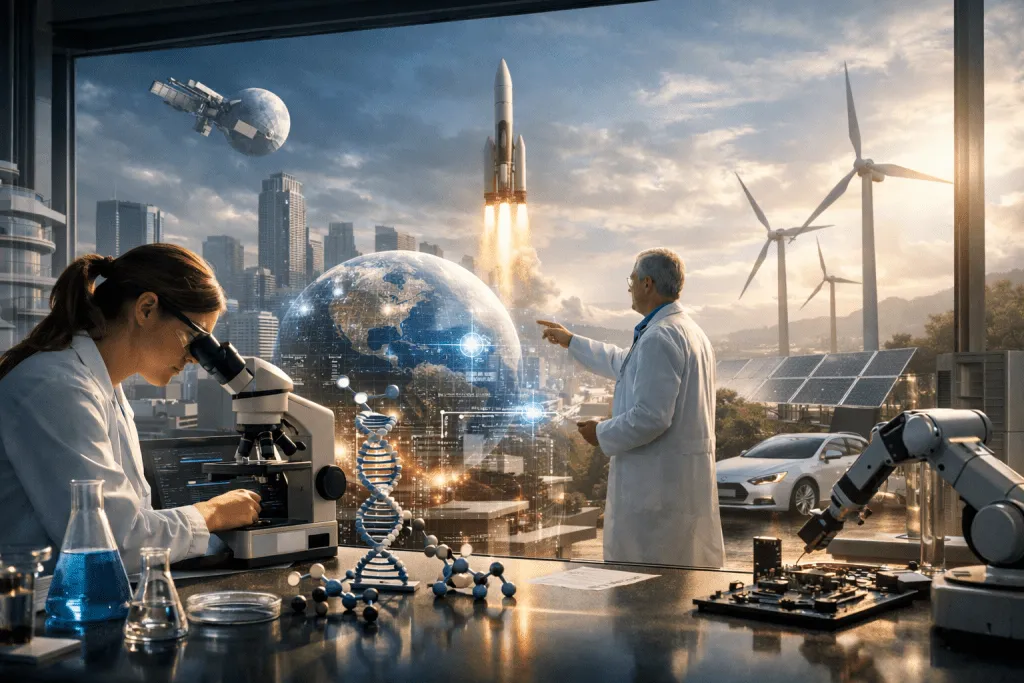
Science shapes nearly every aspect of human life, from the technology people use daily to the policies that guide nations. The presence of science in modern society is not limited to laboratories or universities; it operates in homes, hospitals, industries, and governments. As societies face complex challenges such as climate change, public health crises, and digital transformation, science provides structured methods to understand and solve them. Its role today is foundational, influencing how decisions are made and how progress is measured.
Science as the Foundation of Technological Advancement
Technology is one of the most visible outcomes of science in modern society. Smartphones, artificial intelligence systems, renewable energy technologies, and advanced medical devices all stem from decades of scientific research. Without the systematic observation, experimentation, and validation that define scientific inquiry, these tools would not exist in their current form.
Modern communication systems rely on breakthroughs in physics, computer science, and engineering. The internet, satellite networks, and wireless technologies are built on scientific principles that were once theoretical concepts. Science turns abstract theories into practical applications that reshape daily life.
In industry, scientific research drives innovation and competitiveness. Companies invest heavily in research and development to create new materials, improve manufacturing processes, and optimize logistics. This continuous cycle of experimentation and refinement demonstrates how science fuels economic growth and long-term sustainability.
Science and Public Health Systems
Public health is one of the clearest examples of the direct impact of science in modern society. Advances in microbiology, immunology, and epidemiology have drastically reduced mortality rates worldwide. Vaccines, antibiotics, and diagnostic technologies are products of rigorous scientific study and testing.
During global health emergencies, scientific research becomes even more critical. Data analysis, clinical trials, and predictive modeling guide public policy and healthcare responses. Governments depend on scientific evidence to implement measures that protect populations and allocate resources effectively.
Beyond emergency responses, science informs preventive healthcare strategies. Nutritional guidelines, sanitation standards, and environmental health regulations are grounded in research findings. This evidence-based approach improves life expectancy and enhances overall quality of life.
Science in Environmental Protection and Sustainability
Environmental challenges demand structured, measurable solutions. Climate science, ecology, and environmental engineering provide the data necessary to understand global warming, biodiversity loss, and pollution. Science in modern society plays a central role in identifying risks and proposing mitigation strategies.
Renewable energy technologies such as solar panels, wind turbines, and battery storage systems are direct outcomes of scientific progress. These innovations reduce dependence on fossil fuels and lower greenhouse gas emissions. Scientific research also informs sustainable agriculture practices that protect soil health and water resources.
Policy-making in environmental governance increasingly relies on scientific models and projections. Data-driven assessments help governments set emission targets and conservation goals. Without scientific measurement and analysis, environmental policy would lack precision and accountability.
Science and Economic Development
Economic stability and growth are closely linked to scientific advancement. Nations that prioritize research and innovation tend to achieve higher productivity and stronger global competitiveness. Investments in science and technology infrastructure create skilled jobs and foster entrepreneurial ecosystems.
Scientific knowledge improves efficiency across sectors such as agriculture, manufacturing, transportation, and energy. Precision farming techniques, automated production systems, and data analytics optimize resource use and reduce waste. These improvements translate into cost savings and increased output.
Education systems that emphasize scientific literacy prepare individuals to participate effectively in modern economies. Workers trained in critical thinking, problem-solving, and data interpretation contribute to innovation. As a result, science strengthens both macroeconomic structures and individual career opportunities.
Science in Policy, Ethics, and Governance
The influence of science in modern society extends beyond technology and economics into governance and ethical decision-making. Public policies increasingly depend on empirical evidence and statistical analysis. Legislators consult scientific experts to evaluate risks, benefits, and long-term consequences.
Evidence-based policy helps reduce bias and improve transparency. For example, crime prevention strategies, urban planning initiatives, and educational reforms are often informed by social science research. Data-driven governance enhances accountability and measurable outcomes.
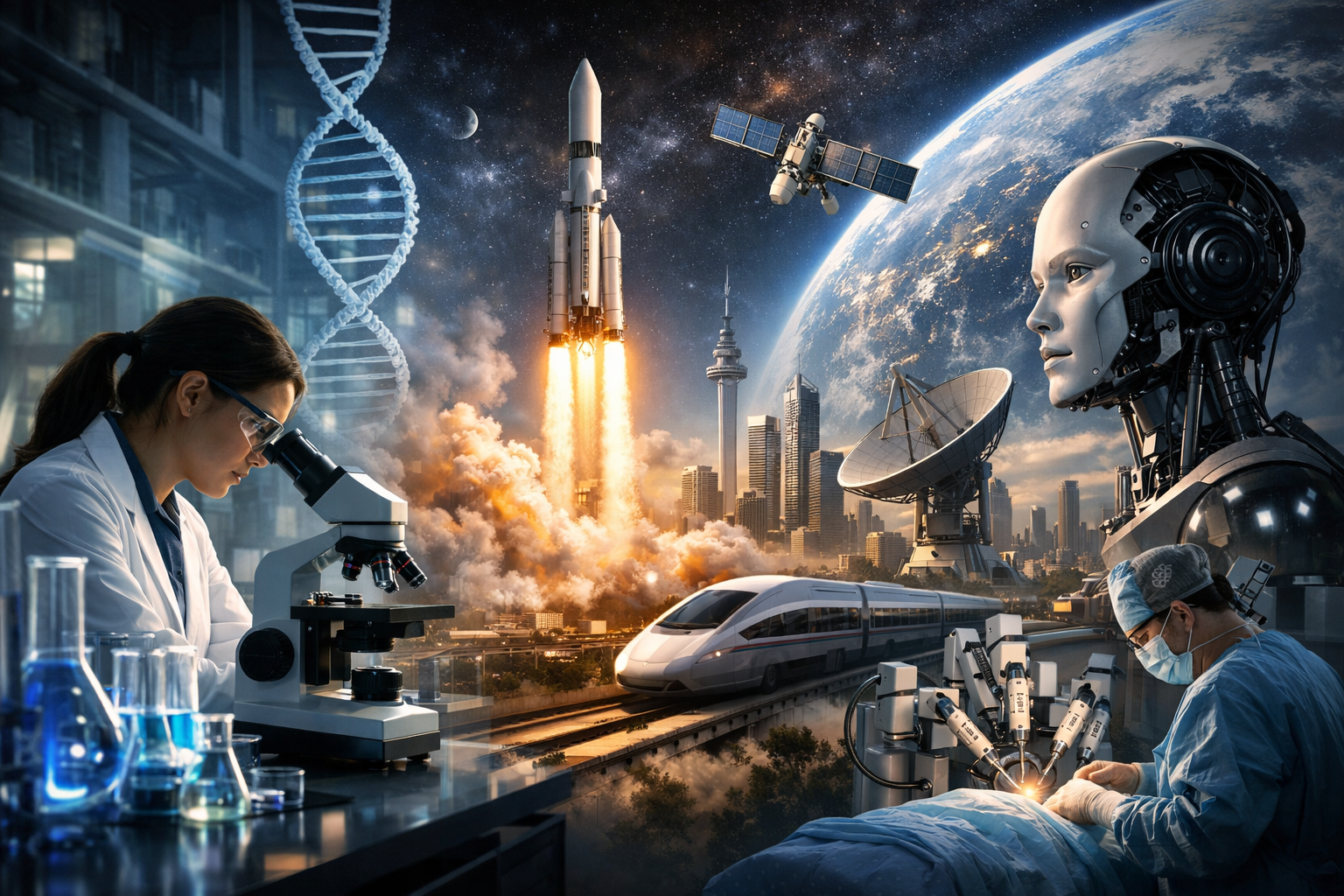
However, scientific advancement also raises ethical questions. Biotechnology, artificial intelligence, and genetic engineering challenge existing moral frameworks. Society must balance innovation with responsibility, ensuring that technological progress aligns with human rights and social values.
Science and Everyday Decision-Making
Science is not confined to institutions; it shapes individual choices. From selecting nutritional products to evaluating online information, people rely on scientific principles—often without realizing it. The ability to assess evidence and distinguish credible sources from misinformation is essential in a digital age.
The widespread availability of information makes critical thinking a necessary skill. Scientific reasoning encourages skepticism, structured analysis, and openness to revision when new evidence emerges. These habits strengthen democratic participation and social resilience.
Education systems play a central role in cultivating scientific awareness. Teaching students how experiments are designed, how data is interpreted, and how hypotheses are tested builds long-term cognitive skills. A society that values scientific understanding is better equipped to adapt to change.
Science and Global Collaboration
Many modern challenges transcend national borders. Pandemics, climate change, and cybersecurity threats require coordinated international responses. Scientific collaboration enables data sharing, joint research initiatives, and standardized methodologies.
Global research networks accelerate discovery and reduce duplication of effort. Shared databases and cross-border partnerships enhance transparency and reproducibility. This collaborative model demonstrates how science in modern society operates as a global enterprise rather than a localized activity.
International organizations often rely on scientific advisory panels to guide global strategies. Unified research standards allow countries to compare results and implement consistent policies. Science thus becomes a common language for addressing shared problems.
Conclusion
The role of science in modern society is comprehensive and structural. It drives technological innovation, strengthens public health systems, informs environmental policy, supports economic growth, and shapes governance. By promoting evidence-based thinking and global collaboration, science enables societies to address complex challenges with clarity and precision. Its continued development remains essential for sustainable progress.
FAQ
Q: Why is science important in modern society? A: Science provides systematic methods to understand problems, develop technologies, improve health systems, and guide evidence-based policy decisions.
Q: How does science influence economic growth? A: Scientific research drives innovation, increases productivity, and creates new industries, contributing directly to national and global economic development.
Q: What is the connection between science and public health? A: Scientific research enables the development of vaccines, medicines, diagnostic tools, and health policies that reduce disease and improve life expectancy.
Q: How does science help address climate change? A: Climate science identifies environmental risks, measures emissions, and supports the development of renewable energy and sustainable practices.
Q: Why is scientific literacy important for individuals? A: Scientific literacy improves critical thinking, helps evaluate information accurately, and supports informed decision-making in daily life.
