
Stopping weight loss jabs can lead to rapid weight regain in one year, study suggests
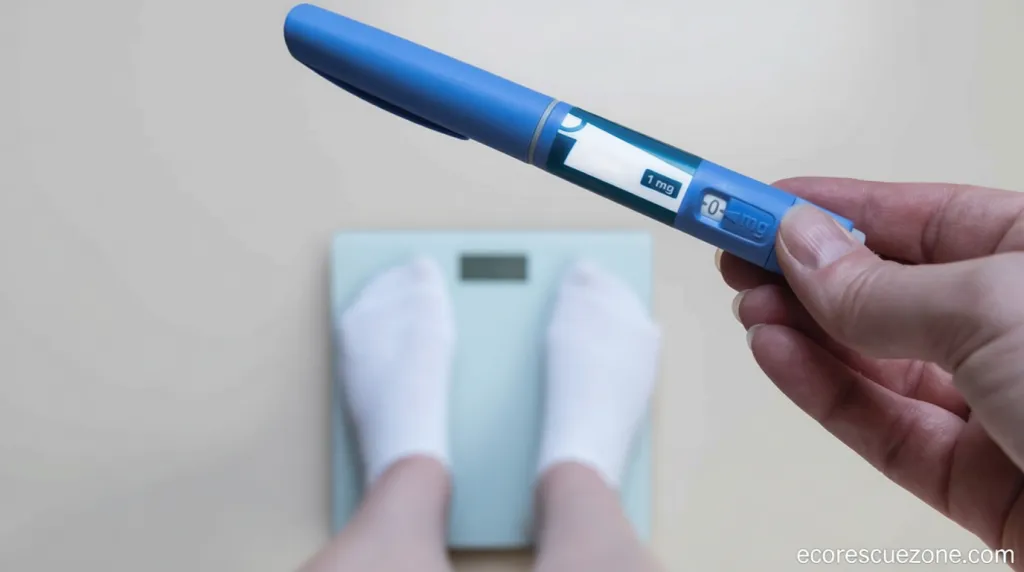
Stopping Weight Loss Jabs Linked to Rapid Weight Regain Within a Year, Study Indicates
A recent investigation suggests that individuals who discontinue weight loss injections may experience substantial weight recovery within a year. Researchers from the University of Cambridge found that, after 52 weeks of stopping the treatment, participants averaged a 60% restoration of the weight they had previously lost.
These medications, part of the GLP-1 receptor agonist category, function by simulating the hormone GLP-1, thereby influencing blood sugar and insulin regulation. Initially designed for managing type 2 diabetes, certain variants like semaglutide (Wegovy) and tirzepatide (Mounjaro) are now approved for obesity treatment on the NHS.
Scientists caution that if the majority of the regained weight consists of fat, patients may end up in a less favorable state than prior to initiating the treatment. The Cambridge study, encompassing six trials with over 3,200 participants, was published in eClinicalMedicine. It highlights that “significant weight regain occurs after ceasing the drugs.”
Broader Applications in Substance Abuse Prevention
An independent investigation of over 600,000 U.S. veterans revealed that GLP-1 receptor agonists could also serve as tools for preventing and addressing addictions to substances like alcohol, tobacco, and narcotics such as cannabis, cocaine, and opioids. The findings, published in the British Medical Journal (BMJ), showed a 14% reduced risk of substance use disorders (SUDs) among those without prior addiction history.
Among veterans already struggling with substance misuse, the drugs were associated with a 31% decrease in SUD-related emergency department visits, hospitalizations, and mortality. This effect was also noted in reductions of 18% for alcohol issues, 20% for cocaine and nicotine use, and 25% for opioid dependencies.
“Our projections indicate that while most weight is regained, some weight loss is retained. However, the question remains whether the proportion of lean mass is similarly recovered,” remarked Brajan Budini, a medical student at the University of Cambridge.
The researchers emphasized the need for further studies to analyze the composition of weight changes during and after treatment. While the U.S. study predominantly focused on elderly male veterans, comparable outcomes were observed in female participants as well.
Read more: GPs to be offered bonus for prescribing jabs | Which weight loss jabs are available on the NHS? | Weight loss jabs could be banned by next Olympics
