
More airlines increase airfares as Iran war drives jet fuel price spikes
More Airlines Raise Ticket Prices Amid Escalation in Middle East Conflict
Global Travel Costs Rise as Fuel Prices Surge
The ongoing conflict in the Middle East has led to a sharp increase in oil prices, prompting airlines to raise fares and cut flight frequencies. Experts warn that elevated ticket prices may persist for months, even if hostilities ease. Demand for alternative routes that bypass the Gulf and Middle East has further contributed to higher costs for passengers.
Airlines are adjusting pricing strategies to counteract soaring jet fuel expenses. The US-Israel and Iran war has intensified supply chain disruptions, particularly through attacks on regional refineries and blockades of the Strait of Hormuz. These factors have driven up fuel costs, forcing carriers to implement temporary surcharges and rate hikes.
Impact on Specific Carriers and Routes
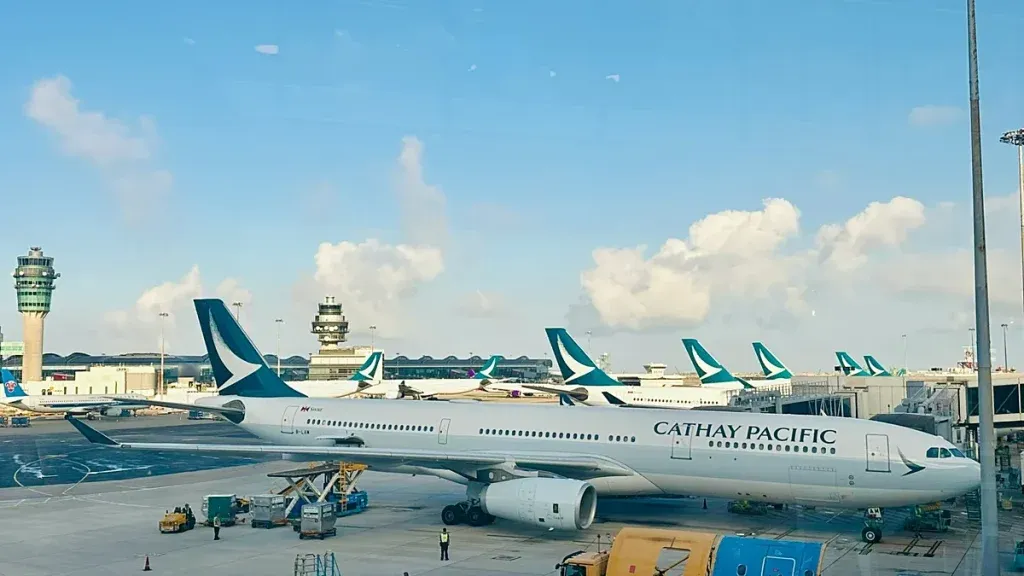
Cathay Pacific, AirAsia, and Thai Airways are among the airlines increasing fares. During a media briefing on Wednesday, Ronald Lam, Cathay Pacific’s CEO, stated that fuel prices this month are twice the average of the prior two months. The airline plans to apply updated fuel surcharges to all routes starting 18 March.
“Fuel costs have surged dramatically this month,” said Ronald Lam, CEO of Cathay Pacific, in a recent statement. “This has forced us to adjust pricing across our network.”
AirAsia announced fare increases on Thursday, indicating it would revisit pricing once market conditions stabilize. Thai Airways anticipates a 10-15% rise in airfares, while Qantas has applied varying price adjustments depending on the route. Scandinavia’s SAS has introduced a “temporary price adjustment” to manage costs.
Air New Zealand has raised economy fares by NZ$10 on domestic routes, NZ$20 on short-haul services, and NZ$90 on long-haul flights. The airline also reduced its operations by 5%, canceling around 1,100 flights between 16 March and 3 May—expected to affect approximately 44,000 travelers.
Extended Disruptions and Route Changes
Flight cancellations have expanded to Middle Eastern destinations. Finnair has suspended Doha and Dubai services until 29 March and is avoiding Iraqi, Iranian, Syrian, and Israeli airspace. ITA Airways has delayed flights to Tel Aviv until 2 April and extended Dubai cancellations to 28 March.
KLM has halted Dubai services until 28 March and is canceling Tel Aviv flights for the rest of its winter season. The Lufthansa Group, including Austrian Airlines and Brussels Airlines, has suspended Tel Aviv services through 2 April and Dubai services until 28 March. Wizz Air has also paused flights to Israel and halted services to Dubai, Abu Dhabi, Amman, and Jeddah from European routes until mid-September.
Non-European carriers like Delta, Cathay Pacific, and Air Canada have also modified their schedules. These disruptions have heightened demand for routes that bypass the Middle East, contributing to fare increases and logistical challenges for travelers.
Cathay Pacific recently highlighted its business class return fare from Sydney to London in April, priced at A$39,577 (€24,142), drawing attention to the extent of cost hikes in the sector.
