
Differences Between Mexico and United States Culture

Neighboring the US, Mexico has cultural differences that are quite distinct. While both countries share a long border, it’s filled with barriers. These barriers symbolize the deep and complex history between them, which continues to affect how people from both places communicate. Both Mexico and the US have influenced each other in significant ways too. Knowing these differences is key to making a smooth change when traveling or moving to Mexico and avoiding culture shock.
Language and Communication Contrasts
One big difference between the United States and Mexico is the language. In the US, English is the main language. But in Mexico, most people speak Spanish. This creates an interesting gap in how we talk and see the world.
English vs Spanish Dominance
In the US, speaking English is normal. So, Americans might find it hard in Mexico, where Spanish rules. On the flip side, Mexicans have to change their language when talking to English speakers. Understanding and trying to open up these language gaps can make our communication better, making us more aware of each other’s culture.
Indirect vs Direct Communication Styles
There’s not just a language difference but also a way we talk. Mexicans often beat around the bush, avoiding direct no’s to keep things smooth. On the other hand, Americans are more straightforward, which might be seen as too blunt in Mexico. It’s key to notice how we say things, not just the words, but also our tone and actions.
Tone and Body Language Significance
How we say something in Mexico means a lot. It’s not just the words but also how we look and act while talking. Also, gestures, eye contact, and how close we stand matter a lot. Knowing these nonverbal rules helps make real connections and not upset others by mistake.
Family Dynamics and Values
In the United States, independence is key. Young adults are often expected to live on their own. This happens earlier in their lives. On the other hand, Mexico values family more than independence.
In Mexico, young people might live with their parents for a long time. Even until they get married. Families offer both money and emotional help. This builds a strong bond and sense of duty within the family.
Extended Family Involvement
In Mexico, families cherish time spent together with relatives. A common tradition is the Sunday family dinner. It brings many generations together to eat and bond. In the US, such extended family gatherings aren’t as common.
Parental Influence on Adults
In Mexico, the influence of parents is deep. Even adults are expected to pick up the phone from their parents at work. This shows a deep respect for elders. It’s quite different from the more individualistic US approach.
Social Norms and Personal Space
Comparing Mexico and the US, personal space is key. In the US, we like about three feet of space between us. This shows we respect others’ boundaries. But in Mexico, especially in busy places like Mexico City, it’s not the same. You might find strangers closer than you’re used to. It’s because Mexicans are more relaxed about personal space.
Greeting Customs and Etiquette
How we greet each other is also very different. Americans might go for a handshake or a hug. On the other hand, Mexicans often greet with a cheek-to-cheek kiss. Friends, family, or new people will do this. This shows their culture is very friendly and close-knit.
Noise Levels and Ambient Sounds
The sounds in Mexico are as lively as the country itself. It’s much noisier than many US cities. People there don’t usually speak loudly, but the cities are alive with noise. You hear vendors calling, cumbia music playing, and people chatting. This busy soundscape is a big part of what makes Mexico, Mexico.
Knowing about social customs and sounds in Mexico helps us connect more with its people and places. It makes visiting or living in such a vibrant country even better.
differences between mexico and united states culture
Meal Timing and Culinary Traditions
Food is a key part of life in Mexico. The country’s cuisine is even on UNESCO’s list of things you just can’t miss. The biggest difference in eating is when meals happen. In Mexico, breakfast is from 7 a.m. to 12 p.m. Lunch goes from 1 p.m. to 6 p.m. Dinner wraps up the day from 8 p.m. to 11 p.m. These late and relaxed meal times show off a different way of enjoying food.
Regional Cuisine Diversity
Mexico is a big place, and each part has its very own style of food. For example, Baja California is famous for its fresh seafood and fish tacos. But head over to Oaxaca, and you’ll find delicious mole sauces and mezcal. Tasting these different flavors teaches us a lot about Mexico. It helps us appreciate the country’s diverse food culture.
Dining Rituals and Pacing
Eating in Mexico isn’t just about the food. It’s also about coming together and taking your time. Meals are a chance to enjoy good company and conversation. This is opposite to the quick meals often seen in the US. Learning to enjoy meals this way helps us see how culture shapes our dining habits. And it’s a fun way to share with others.
Religion, Work, and Politics
Exploring the differences between the United States and Mexico shows big gaps in religion, work, and politics. These differences give us a peek into each country’s unique way of life.
Religious Affiliations and Practices
The US is seeing more people with no religious ties, about 29% of its population. In contrast, Mexico is deeply religious with only 8% not being religious. This shows religion plays a big part in Mexican daily life.
The large annual trip to the Basilica of Our Lady of Guadalupe is a key event. It shows how important religious practices are to the nation.
Work-Life Balance and Expectations
Mexicans are praised for their hard work, putting in long hours each week. Yet, they earn much less than many other countries. This shows a key difference in valuing work over personal life.
Political Ideologies and Movements
Mexico leans more to the left politically than the US does. It has a rich history of socialism and values community welfare. This sheds light on how each country sees government and society.
Celebrations and Festivals
While Cinco de Mayo is well-known, Mexico has many other cultural celebrations. These events teach us about Mexico’s rich history and culture. They show the beauty of the country’s traditions, music, dance, and art from its indigenous peoples.
Día de Muertos and Indigenous Traditions
Día de Muertos, or Day of the Dead, is a joyful event that remembers family and friends who have passed away. People set up colorful altars with items like marigolds and sugar skulls. There are also parades and music that celebrate life and death. In Oaxaca, the Guelaguetza festival brings together indigenous people from different parts of Mexico. They share their customs, dances, and food, expressing the nation’s cultural variety.
Carnaval and Pre-Lenten Festivities
The Carnaval festival is full of life, with parades, music, and striking costumes. It takes place before Lent and occurs throughout Mexico. This event reflects the country’s vivid cultural past, from Veracruz’s lush coast to Mérida’s historical streets. These celebrations connect people and traditions, showing the heart of Mexico.
Business and Tipping Etiquette
It’s important to understand Mexico’s unique business culture and tipping customs. Here, it’s all about building relationships and trust before business talk starts. A friendly chat and knowing a few Spanish words can start things off right.
Relationship Building in Business
In Mexico, making personal connections is key in business. It’s crucial to learn about your Mexican colleagues’ interests and priorities. This creates a foundation of trust and respect. Doing so helps you understand each other better and makes business easier.
Tipping Norms and Guidelines
Tipping is common in Mexico but different from the U.S. Knowing when and how much to tip is crucial. Learn about the tipping expectations at restaurants, for taxis, and at hotels. This knowledge ensures you follow local customs correctly.
Transportation and Navigation Insights
Getting around in Mexico can be an adventure. For taxis, remember that prices can be flexible, so it’s good to know the usual rates. Exploring the country’s bus system is both practical and culturally enriching. Local advice can help make this exploration fun and easy.
Adapting to Cultural Differences
Adapting to a new culture is a process that takes time and effort. It’s normal to face challenges and make mistakes. But, it’s crucial not to get discouraged and keep trying.
Embracing the Learning Curve
View each mistake as a chance to grow. These missteps allow us to better understand Mexican culture. They are valuable on our cultural journey.
Truly
Broadening Perspectives and Understanding
Living in Mexico is more than just a visit. It teaches us to look at the world with wider eyes. We learn to appreciate our differences. The Mexican community is also ready to help.
Seeking Support and Guidance
The Mexican community supports and guides us. They answer our questions and give us advice. They connect us with others who are on a similar journey.
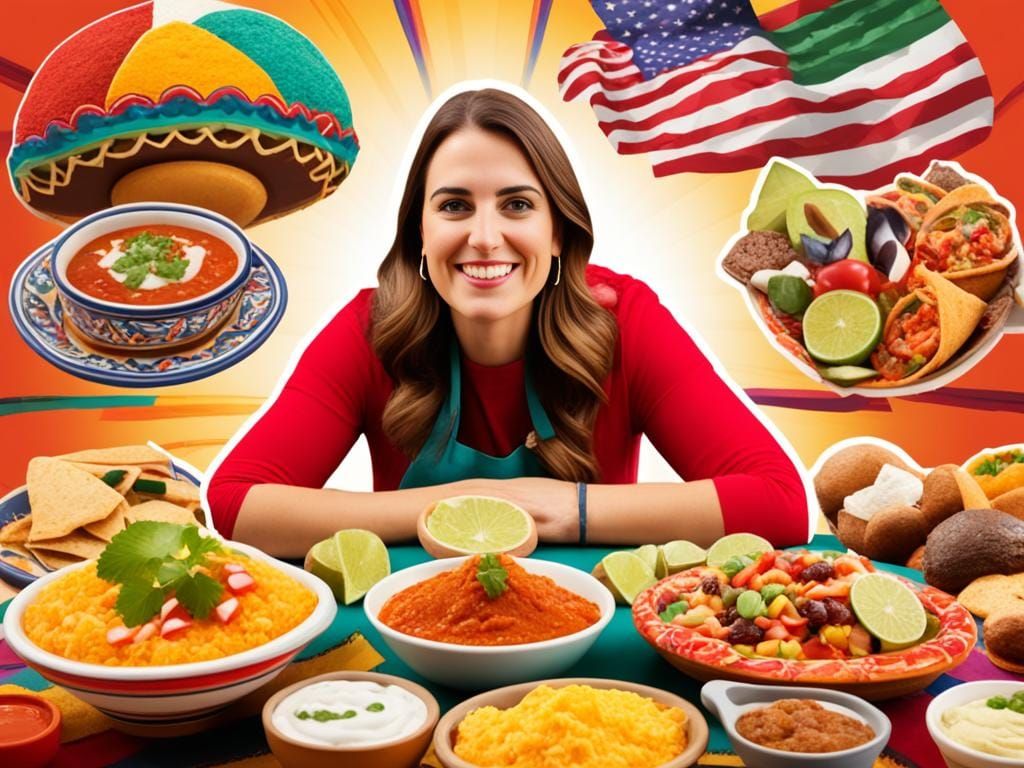
By embracing the learning curve and broadening our perspective, we start a transformative journey. It deepens our cultural adaptation and fosters personal growth. Seeking the support of the Mexican community makes our experience richer.
Conclusion
Although Mexico and the United States touch borders, they have deep and different cultures. These differences are shown in how they speak, their family life, and what they eat. This huge variety makes the two countries interesting and captivating.
By understanding Mexico’s culture, we can learn a lot and grow. This helps us appreciate the beauty of cultural differences worldwide. Learning about Mexican culture can deepen our love for the richness of the human experience.
Exploring Mexico’s way of life connects us more with its people. It lets us see the value of our own culture too. This mix of cultures makes the world a better and more unified place. It joins the United States and Mexico in a special way.
Enjoying the differences between Mexico and the United States is not just good for us. It also helps the two countries get along better. This cultural friendship adds color and life to our shared planet.
FAQ
What are the key differences between the cultures of Mexico and the United States?
Mexican and US cultures differ in many ways. This includes how people speak, communicate, and relate within their families. There are also differences in what people eat, believe in, how they work, and their political views. These differences shape how people from each culture interact with each other.
How do the languages and communication styles differ between Mexico and the US?
In Mexico, Spanish is the main language, while English is used in the US. Mexicans often speak indirectly to avoid causing offense. They might not say “no” directly to keep things friendly. It’s important to watch body language and tone when talking with someone from a different culture.
What are the differences in family dynamics and values between the two countries?
Family life varies in the two countries. In the US, there is a strong focus on becoming independent at a young age. Meanwhile in Mexico, it’s common for young adults to live with and get help from their families. Parental influence in Mexico is also strong outside the home.
How do social norms and personal space differ between Mexico and the US?
Americans usually like to keep a three-foot personal space. In Mexico, especially in bustling places like Mexico City, this personal space is smaller. Greetings vary; in Mexico, cheek kisses are more common than hugs. Mexicans are also usually quieter than Americans.
What are the cultural differences in food and dining traditions?
Mexican food is a big part of its culture, with UNESCO recognizing it as important. Meals are often eaten later in the day. Enjoying the variety of Mexican dishes and taking time over meals can help dive deeper into the culture.
How do the religious, work, and political landscapes differ between Mexico and the US?
More people in Mexico are religious than in the US. Religion has a big influence on daily life there. Mexico is also known for its hardworking people, who usually work longer hours for less pay. Politically, Mexico leans more to the left than the US and has a history of socialist movements.
What are some of the notable cultural celebrations and festivals in Mexico?
Mexico is famous for its cultural festivals like Día de Muertos, the Guelaguetza festival, and Carnaval. These celebrations offer deep insights into Mexico’s rich and diverse heritage.
What are some cultural considerations for business and travel in Mexico?
In Mexican business culture, it’s vital to build relationships and trust first. Tipping is expected, but the rules are different from those in the US. For transportation, negotiations with taxi drivers are common, and taking buses offers an adventure. Getting travel advice from locals is a good idea.
How can individuals adapt and navigate cultural differences when experiencing Mexico?
Adapting to a new culture in Mexico requires effort and time. Mistakes are part of the learning process. It’s best to see the challenges as opportunities to grow. Truly understanding Mexico gives a unique perspective on the world and enriches your life.
