
Discover Fascinating Facts about the Culture of Mexico

Mexico stands out with its rich culture. It blends indigenous, Spanish, and global elements. This fusion creates a cultural tapestry like no other. From numerous varieties of corn to a wide range of indigenous languages, Mexico is diverse. It’s also famous for its muralist movement and distinctive Christmas celebrations. Join us as we delve into the captivating facts of Mexican culture.
The Vibrant Blend of Mexican Culture
Mexico’s culture is like a colorful tapestry made from many influences. These include the Aztecs, Mayans, Spanish settlers, and lots of other groups. All these parts have mixed over time to form a united, yet diverse, culture.
A Melting Pot of Indigenous, Spanish, and Global Influences
In Mexico, the culture is a mix of its past and what’s new today. It blends its rich history with global influence. This blend has led to a culture that continues to grow and change.
Exploring the Rich Diversity of Mexican Traditions
When you dive into Mexican traditions, you find a lot of variety and depth. There are customs, festivals, and delicious food that show how vibrant this culture is. Also, the blend of Spanish and global impacts is clear in Mexico’s art and buildings.
Corn: A Staple Crop with 59 Varieties
Mexico is known for its vital crop, corn or maíz. The country has an impressive 59 types of corn. This shows Mexico’s deep farming roots and its rich culture.
The Significance of Maize in Mexican Culture
Corn has been key for Mexico’s indigenous groups for many years. It’s part of their daily life. The Aztecs and Maya saw it as holy. It’s in their food, ceremonies, and even their trade.
Preserving Indigenous Corn Varieties
Despite global trends, Mexican farmers protect their unique corn types. They save seeds and teach others. This keeps the 59 types of mexican corn alive. Their work shows how important corn is in Mexico’s culture.
68 Indigenous Languages Recognized by Law
Although Spanish is mostly used in business and by the government, it’s great news that Mexico honors 68 indigenous languages. This shows Mexico’s deep indigenous roots, with many languages spoken across different areas.
Celebrating Mexico’s Linguistic Heritage
Mexico values and protects its many indigenous languages. From central Mexico’s Nahuatl to the Yucatec Maya in the Yucatán, each language has meaning. They reflect different world views and connect people today to their past.
Efforts to Preserve Endangered Indigenous Languages
But, some of these languages face the threat of disappearing. This is happening as the older generations who speak them pass on. To combat this, groups and the government are working hard to keep these languages alive for the youth.
By supporting and celebrating indigenous languages, Mexico’s culture grows richer. This effort helps maintain the traditions and unique culture that define the nation.
Arabic Influences on Mexican Spanish
After Spain took over Mexico, the Old Country tried to get rid of Arabic touches in Spanish. They thought Arabic words were lesser. However, Mexican Spanish kept these Arabic words. This makes Mexican Spanish special, with words like “alberca” (pool) and “almohada” (pillow) from Arabic.
Mexico’s Spanish shows a unique mix of Spanish and Arabic. This mix highlights the country’s diverse culture and the lasting impact of its history. It also makes Mexican Spanish different from Spanish spoken in Spain.
Keeping Arabic words in Mexican Spanish is more than just interesting. It shows how open Mexico is to different cultures. This mix in the language shows off Mexico’s rich, varied cultural heritage. It’s a big part of what makes Mexican culture so vibrant and unique.
The Ingenious Chinampa Agriculture System
The Valley of Mexico was made fertile by an intelligent farming system. It was developed by the locals and later enhanced by the Aztecs. Known as the chinampa, it included canals and floating gardens. These features were used to grow crops and prevent flooding.
Floating Gardens of the Valley of Mexico
The chinampas were similar to China’s rice paddies. They were vital in providing food for the Valley of Mexico’s people. These gardens were built on lakes’ shallow beds. They featured small plots of crops that were separated by water canals.
A Unique Agricultural Technique Developed by Indigenous Groups
The chinampa system enabled locals to grow various crops like maize, beans, squash, and flowers. This farming method turned marshy lands into productive areas. It allowed them to have a steady food source while managing water levels. This made the region better for living and more prosperous.
Mexican Independence Day vs. Cinco de Mayo
Some people think Cinco de Mayo is Mexican Independence Day, but they are different. Mexican Independence Day is on September 16th. It’s a big deal in Mexico, filled with parades, fireworks, music, and special foods.
Cinco de Mayo marks the Mexican army’s win over the French in 1862, at the Battle of Puebla. It’s on May 5th and is celebrated more in the United States. There, Mexican-Americans use it to show pride in their culture.
Understanding the Difference Between These Celebrations
Mexican Independence Day is a major holiday across Mexico. But, Cinco de Mayo isn’t as big there. Instead, it’s mainly celebrated by Mexican-Americans.
Mexican-Americans see Cinco de Mayo as a time to honor their heritage. It’s a fun celebration with parades, music, and tasty Mexican food. This day means a lot for their cultural identity.
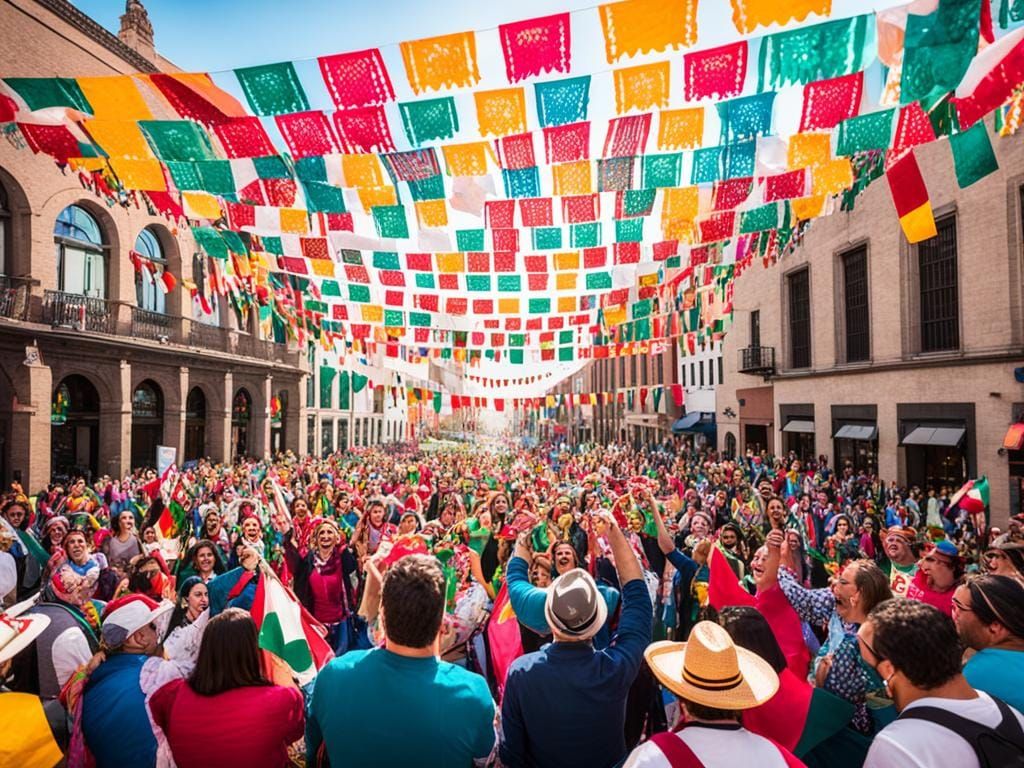
facts about the culture of mexico
Mexico’s culture is a vibrant mix of its ancient past and the impacts of Spanish rule. The country’s rich history, from pre-Columbian times to Spanish colonization, has shaped its unique traditions. These include its art, food, and daily life, making Mexico’s culture truly special.
Exploring the Rich Tapestry of Mexican Traditions
When we look deep into Mexican culture, we see a blend of old and new. This mix shows how Mexico has kept its native heritage alive alongside new influences. One key part is the importance of corn and the efforts to save ancient languages. Plus, Mexico honours its Aztec past in many ways today.
From Indigenous Roots to Modern Influences
The heart of Mexico’s culture lies in its ancient roots, still living in today’s world. Despite changes over time, Mexico has held onto its old ways. This can be seen in everything from its early farming methods to modern art and food trends.
The Captivating Muralist Movement
In the 1920s and 1930s, Mexico saw a big change in art with the Mexican muralist movement. Great Mexican artists like Diego Rivera, José Clemente Orozco, and David Alfaro Siqueiros started making big murals. These murals showed off Mexico’s history, culture, and everyday life.
Celebrating Mexican History and Culture Through Art
The Mexican muralist movement brought art to the people, especially every day folks. It showed Mexico’s new identity after the Mexican Revolution. These murals expressed Mexico’s history and culture, shaping the nation’s spirit and love for its culture.
Rivera, Orozco, and Siqueiros: The Legendary Muralists
Diego Rivera, José Clemente Orozco, and David Alfaro Siqueiros led the artistic revolution. Each had a unique way to create murals that still draw people’s attention worldwide. Their murals on public buildings showed the strength of art to bring people together and teach them.
Christmas Traditions in Mexico
In the United States, Christmas ends on December 25th. But in Mexico, the holiday season continues into January. Christmas festivities last an entire month, ending on January 6th with Three Kings Day.
The Extended Christmas Season and Three Kings Day
Día de los Reyes Magos, or Three Kings Day, honors the visit of the Wise Men to baby Jesus. These kings bring gifts to children in a tradition mirroring that to baby Christ. This part of mexican christmas traditions is unique. It adds to the beauty of Mexico’s culture, making it different from the U.S.
Mexico City: One of the World’s Largest Cities
Mexico City ranks as the fifth-largest city globally. Its metropolitan area is home to over 21 million people. This lively city showcases Mexico’s vibrant history and mix of cultures.
The Sinking City Built on a Drained Lake
Many are surprised to learn Mexico City was first an island in Lake Texcoco. This area held the Aztec city of Tenochtitlán. After the Spanish came, they drained the lake.
This action started Mexico City’s slow sink, about 20 inches each year. The city being built on a former lake bed is a key fact of its history.
The Ancient Aztec Origins of Tenochtitlán
Mexico City’s roots go back to the Aztec city of Tenochtitlán, founded in the 14th century. The Aztecs picked this spot because of a prophecy. They saw an eagle eating a snake on a cactus.
Today, this image is a vital part of Mexico, seen on its flag. The Aztec culture’s influence still greatly shapes Mexico City.
The Aztec Influence on the Mexican Flag
The Aztec people were a significant group in Mexico. They believed a god would help them. They knew he would lead them to a place identified by an eagle, a snake, and a cactus. This sign was the image now found on Mexico’s flag. It’s a key mark of the Aztec city, Tenochtitlán, the start of Mexico City today.
The Prophecy and the Symbol of the Eagle
When Mexico won its freedom, it honored the Aztecs. The flag chose their symbol, showing the eagle and the snake on the cactus. This choice linked Mexico to its roots. It reminds everyone how the Aztecs helped shape what is today’s Mexico.
Incorporating the Aztec Legacy into Modern Mexico
Modern Mexico proudly keeps its Aztec heritage alive. From its culture to its symbols, Aztec influences are everywhere. The flag is a strong example. The Aztec eagle, snake, and cactus stand proud on it. They show the deep link between modern Mexico and its past. The aztec influence on the mexican flag and the eagle symbol show the ongoing importance of the aztec legacy in Mexico today.
Conclusion
Mexico’s culture is a blend of rich influences like indigenous and Spanish. It also includes global touches. The country is known for its 59 corn types and 68 native languages. Other unique aspects are its farming ways, art by muralists, and special holidays. These things tell us how diverse and deep Mexican culture is. By learning about these parts of its culture, we come to appreciate Mexico’s unique heritage and its impact on Latin America.
Mexico stands out for blending old traditions with new ideas. Its unique agricultural methods and famous art movement show its people’s creativity. The country also celebrates Christmas over a long period. This shows how creative and strong the Mexican people are, making their culture truly special.
Looking into Mexican culture shows us its rich and vivid heritage. Its many languages and varied food traditions make it a place full of treasures. Let’s keep learning and enjoying the legacy of this amazing nation. Mexico’s cultural wealth is truly inspiring for anyone to see and learn from.
FAQ
What are some fascinating facts about the culture of Mexico?
Mexico shines with a unique culture. It blends local, Spanish, and worldwide flavors. It’s known for its many types of corn and indigenous languages.
Mexico also stands out with its art and Christmas celebrations. Its culture is a special mix of tradition and innovation.
How has Mexico’s history shaped its unique cultural identity?
Mexico’s past has made it what it is today. From its indigenous roots to Spanish and global influences, it’s complex and rich. The country blends old traditions with new ideas, creating a lively culture.
What is the significance of corn (maíz) in Mexican culture?
Corn is very important to Mexico. The country has 59 types of corn, showing its deep connection to the land. Indigenous groups have grown corn for many years.
How diverse are the indigenous languages recognized in Mexico?
Mexico protects 68 indigenous languages by law. This shows the country’s native heritage and language variety. Still, some of these languages are disappearing. People are working hard to save them.
How does Mexican Spanish differ from Spanish in Spain?
Spanish in Mexico kept some Arabic influences. This makes it different from the Spanish in Spain. Mexican Spanish has its own unique vocabulary because of this.
What is the chinampa agricultural system and how did it benefit the Valley of Mexico?
The chinampa system was used by early Mexicans and later by the Aztecs. It included canals and “floating gardens” for crops. This system helped feed many people in the Valley of Mexico.
What is the difference between Mexican Independence Day and Cinco de Mayo?
Mexican Independence Day is on September 16th. It celebrates freedom from Spain. On the other hand, Cinco de Mayo marks defeating French troops in a battle. It’s an important day for Mexican-Americans.
How did the Muralist movement shape Mexican art and culture?
Mexican artists in the 1920s and 1930s painted big murals. Diego Rivera, José Clemente Orozco, and others told Mexico’s story on walls. This made art public and celebrated Mexico’s past and people.
What are the unique Christmas traditions in Mexico?
Christmas in Mexico lasts from December 16th to January 6th. On January 6th, Three Kings Day is celebrated. The day remembers the Wise Men bringing gifts to Jesus.
What are the fascinating facts about Mexico City’s history and geography?
Mexico City is the fifth-largest in the world, with over 21 million people. It was built on an ancient Aztec island, Tenochtitlán. Today, the city sinks by about 20 inches each year because the Spaniards drained the surrounding lake.
How does the Aztec symbol influence the Mexican flag?
The Aztecs believed that an eagle eating a snake on a cactus was a special sign. It marked the city of Tenochtitlán. When Mexico became independent, this symbol was chosen for the flag. The flag shows the eagle, snake, and cactus as a reminder of their heritage.
