
Hantavirus-hit cruise ship arrives in Tenerife, passengers expected to return home
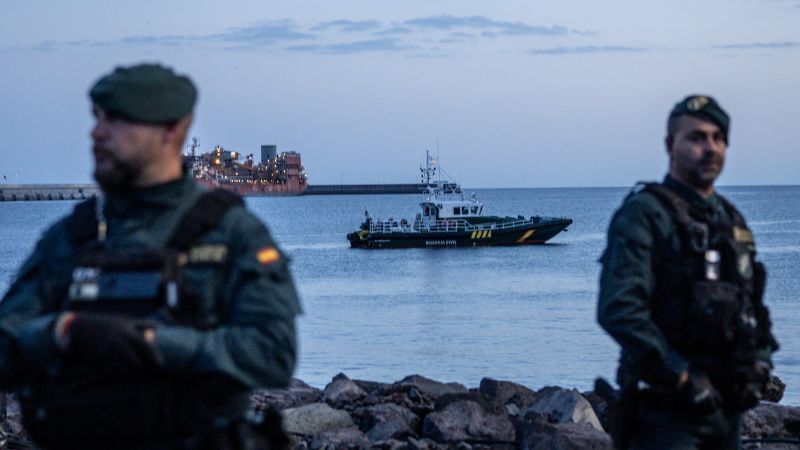
Hantavirus-hit cruise ship arrives in Tenerife, passengers expected to return home
Hantavirus hit cruise ship arrives in Tenerife – The MV Hondius, a cruise ship associated with a hantavirus outbreak, has reached the Spanish island of Tenerife, where its 147 passengers are set to disembark through a structured repatriation plan involving multiple nations. The vessel will anchor at the Port of Granadilla in the Canary Islands, a location chosen for its strategic position and safety protocols. Officials confirmed that passengers will be ferried to shore in small groups, with a maximum of 10 individuals per boat, as per the guidelines from the tour operator Oceanwide Expeditions. This meticulous process aims to minimize risks and ensure smooth transitions for travelers.
The hantavirus, a rare but potentially severe illness, is typically transmitted through exposure to the urine or feces of infected rodents. Since the ship departed Argentina last month, three deaths have been attributed to the disease, prompting concerns among health authorities. Additional passengers have been evacuated from the vessel for medical attention, with ongoing assessments to determine their health status. The ship’s arrival marks the culmination of a complex journey that began with its departure from South America, followed by a series of interventions to contain the outbreak.
Coordinated Evacuation Efforts
Multiple countries, including the United States, Germany, France, Belgium, Ireland, and the Netherlands, have dispatched aircraft to transport their nationals from the ship. The sequence of disembarkation is synchronized with the arrival of these repatriation flights, ensuring that passengers are prioritized based on their nationality. Luggage will remain on board for later retrieval, a logistical decision made to streamline the process and reduce overcrowding at the port. This arrangement has sparked discussions about the efficiency and fairness of the evacuation strategy.
“The sequence of disembarkation will be coordinated with arriving repatriation flights,” said Oceanwide Expeditions, highlighting the collaborative effort required to manage the situation. The company emphasized that passengers’ belongings will be stored securely until they can be returned, a measure intended to ease the burden on port facilities during the current health crisis.
For American passengers, the plan includes transport to the University of Nebraska Medical Center, which houses the National Quarantine Unit. A CDC official noted that the 17 U.S. travelers, who currently show no symptoms, will undergo initial assessments at the unit before returning home. From there, they will be subject to home-based monitoring for 42 days, with daily check-ins mandated to track their health status. This proactive approach aims to provide continuous oversight and rapid response in case of any complications.
Meanwhile, Spanish passengers are set to be the first to disembark, a decision made to prioritize local citizens. Spain’s Health Minister, Mónica García, stated that the 14 Spanish travelers will wear FFP2 masks during the process, along with staff involved in logistics and transportation. They will be transferred to a military hospital, where they will reside in individual rooms to prevent cross-contamination. Upon arrival, each passenger will undergo two PCR tests: one immediately and another seven days later, as per the ministry’s directive.
The ship’s arrival has intensified scrutiny in the Canary Islands, an autonomous community within Spain. Regional leader Fernando Clavijo expressed reservations about the vessel docking in Tenerife, citing concerns over public health risks. This sentiment has been echoed by port workers, who have held protests over the lack of communication regarding the potential dangers posed by the hantavirus. The situation has raised questions about preparedness and transparency in handling such outbreaks on a large scale.
Looking ahead, the MV Hondius is scheduled to proceed to Rotterdam, Netherlands, where the crew will disembark, and the ship will undergo a thorough disinfection process. This step is critical to eliminating the virus from the vessel and preventing its spread to other locations. The ship’s continued journey underscores the international coordination necessary to address the crisis, even as it moves from one port to another.
The World Health Organization has described the hantavirus outbreak as a low-risk scenario for the general public. While the disease is highly infectious in certain conditions, the WHO noted that the current spread is contained and that measures are in place to mitigate further transmission. This reassurance comes as the repatriation process unfolds, with health officials emphasizing the importance of vigilance and proper hygiene protocols.
As the passengers begin their return home, the focus remains on ensuring their safety and health. The multi-nation collaboration highlights the interconnectedness of global travel and the challenges of managing health crises across borders. Oceanwide Expeditions has worked closely with local authorities to implement the evacuation plan, which includes detailed safety measures for both passengers and staff. This effort reflects a commitment to containing the outbreak while providing essential care and monitoring for those affected.
The incident has also sparked a broader conversation about health preparedness in the cruise industry. With the MV Hondius now in Tenerife, officials are evaluating how to prevent similar outbreaks in the future. This includes revising protocols for onboard medical responses, enhancing communication with port authorities, and ensuring that all necessary precautions are taken during the docking and disembarkation phases. The experience underscores the need for robust contingency plans in an era of frequent international travel.
As the ship prepares to move to Rotterdam, the Canary Islands continue to monitor the situation closely. The health ministry has pledged to maintain strict controls at the port, including regular sanitization and the provision of protective gear for all involved. This approach aims to protect both the local population and the returning passengers, ensuring that the outbreak does not escalate further. The successful completion of the repatriation operation will be a key milestone in managing the crisis and restoring public confidence in maritime travel.
Ultimately, the MV Hondius’s arrival in Tenerife serves as a reminder of the global nature of health emergencies. The coordinated efforts between nations, health organizations, and the cruise operator demonstrate the importance of international cooperation in addressing such challenges. As passengers gradually return home, the focus shifts to long-term monitoring and the development of strategies to prevent future outbreaks, ensuring that the lessons learned from this incident are applied to enhance global health security.
Contributors to this report include CNN’s Adam Cancryn, Brenda Goodman, Jennifer Hansler, Deidre McPhillips, and Christian Edwards, who have provided detailed updates on the evolving situation. Their insights highlight the complexity of the repatriation process and the critical role of health officials in managing the crisis. The narrative of the MV Hondius’s journey from outbreak to recovery illustrates the resilience of international systems in the face of unexpected health challenges.
