
Explore the Vibrant Traditions and Culture of Mexico
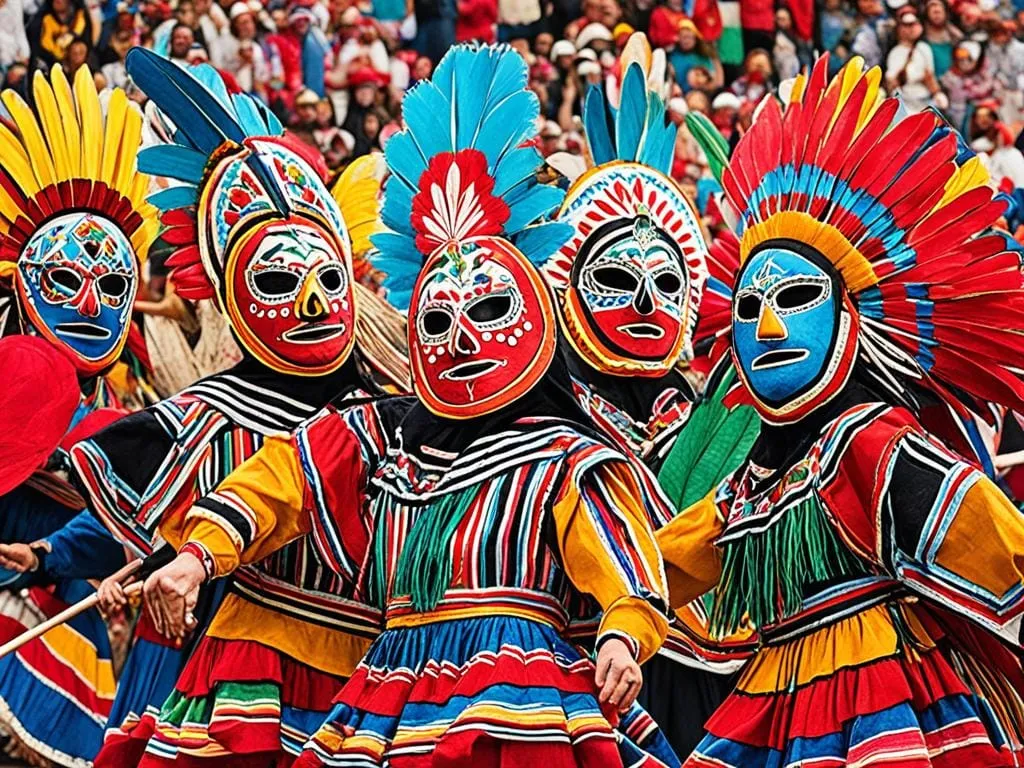
Mexico’s world is full of culture, history, and traditions. Everywhere you look, you see bright colors and experience joyous moments. These come from mixing the native cultures with Catholicism from Spain.
This blending is called mestizaje. It has shaped Mexico’s unique culture, which attracts people from all over the world.
In Mexico, each region has its own traditions. The Day of the Dead celebrations and the music of mariachi reflect Mexico’s deep cultural history. This shows how Mexico keeps its ancient traditions alive while also embracing the Spanish influence.
The Essence of Mexican Culture
Mexican culture’s heart lies in mestizaje, a mix of indigenous and Spanish roots during the colonial era. This blend of traditional and modern influences has shaped a unique culture. It varies across regions, mirroring Mexico’s diverse lands.
Mestizaje: A Fusion of Indigenous and Spanish Influences
The coming together of indigenous and Spanish cultures has deeply shaped Mexico. This mix led to a varied cultural scene, filled with unique traditions and art. It’s a true testament to the Mexican identity.
Regional Diversity: From Vibrant Cities to Idyllic Beach Towns
Visit places like Mexico City, known for its hustling streets and bright markets. Then, explore the quiet beach towns. Mexico’s regions each offer their own special culture. This variety celebrates the country’s rich past, mixing indigenous and Spanish influences in local life and customs.
Ancient Civilizations and Their Legacy
Mexico has a rich cultural heritage, thanks to ancient civilizations. These societies in Mesoamerica created a foundation. Their vibrant traditions and customs still fascinate us today.
The Olmecs: The “Mother Culture” of Mesoamerica
The Olmecs are called the “Mother Culture” of Mesoamerica. They were among the earliest advanced groups in the area. The Olmecs helped shape urban planning, agriculture, and the Mesoamerican ballgame. Their achievements have deeply influenced the area’s history.
Teotihuacan: The Ancient Metropolis of Pyramids
The Teotihuacan civilization, based in its namesake city, was a key urban center. It was one of the biggest and most influential places in the ancient world. Teotihuacan stood out for its grid layout and monumental structures. The Pyramid of the Sun and Pyramid of the Moon are among its famous landmarks.
The Toltecs: Warriors and Cultural Influencers
The Toltecs were known for their warrior skills and art. They shaped culture and religion for future societies, such as the Aztecs. The Toltecs’ artistry and innovation remain crucial in Mexico’s history.
Culinary Delights: A Feast for the Senses
Mexican cuisine is more than just food; it’s a part of our cultural heritage. It’s known for a wide range of dishes and ingredients. These include staples like corn and chili, as well as Spanish-flavored fare such as beef and rice. Altogether, they make Mexican food both varied and tasty.
Oaxacan Specialties: From Tlayudas to Mexican Chocolate
Oaxaca is famous for its stunning beaches and ancient ruins. But it’s also a haven for foodies. Here, you can try the tlayuda, similar to a pizza but with a corn base. And don’t miss the chance to taste Mexican chocolate, which reflects both local and Spanish tastes.
Tacos: A National Obsession
Tacos are a huge deal in Mexico and loved by many. There are countless versions across the country, each with its own flair.
Indigenous Traditions and Beliefs
Mexico’s indigenous traditions are key to its culture. In San Juan Chamula, Chiapas, there’s a unique mix of Catholicism and local beliefs. This blend is seen in the Chamulan Catholicism practiced there.
San Juan Chamula: Chamulan Catholicism
The San Juan Bautista Church in San Juan Chamula is special. It reflects the blend of pre-Hispanic and Catholic beliefs. The church’s design includes pre-Hispanic elements that show a mix of cultures.
The church’s design includes pre-Hispanic elements that show a mix of cultures. It stands out because of this mix. This blend reflects the area’s history and the people’s way of life.
Local people show how lasting traditions can mix with new ones. They keep their old beliefs while practicing Catholicism. This shows the deep blend of tradition and religion in Mexico.
Día de Muertos: Celebrating Life and Death
In Mexico, Día de Muertos, or Day of the Dead, is a big deal. It’s held every November 2nd. This colorful festival shows Mexico’s unique take on death.
It’s unlike Halloween; it’s not about being scared. Instead, Mexicans laugh at death, sharing jokes, and celebrating it.
Ofrendas and Calaveras: Honoring the Departed
Families create altars called ofrendas at home. They do this to remember their family and friends who have died. The altars are bright with decorations like paper, marigolds, and the favorite foods of the deceased.
Calaveras, which are sugar skulls, are a key symbol of Día de Muertos. They show how Mexicans view death in a playful and friendly way.
Patzcuaro: A Vibrant Celebration of Día de Muertos
In Patzcuaro, Michoacán, a grand celebration happens. Indigenous people come together in canoes. They light a candle and sail to Janitzio Island for a nightlong cemetery vigil.
This event is a true celebration of both life and death. It’s a glowing aspect of Mexico’s vibrant culture.
traditions and culture of mexico
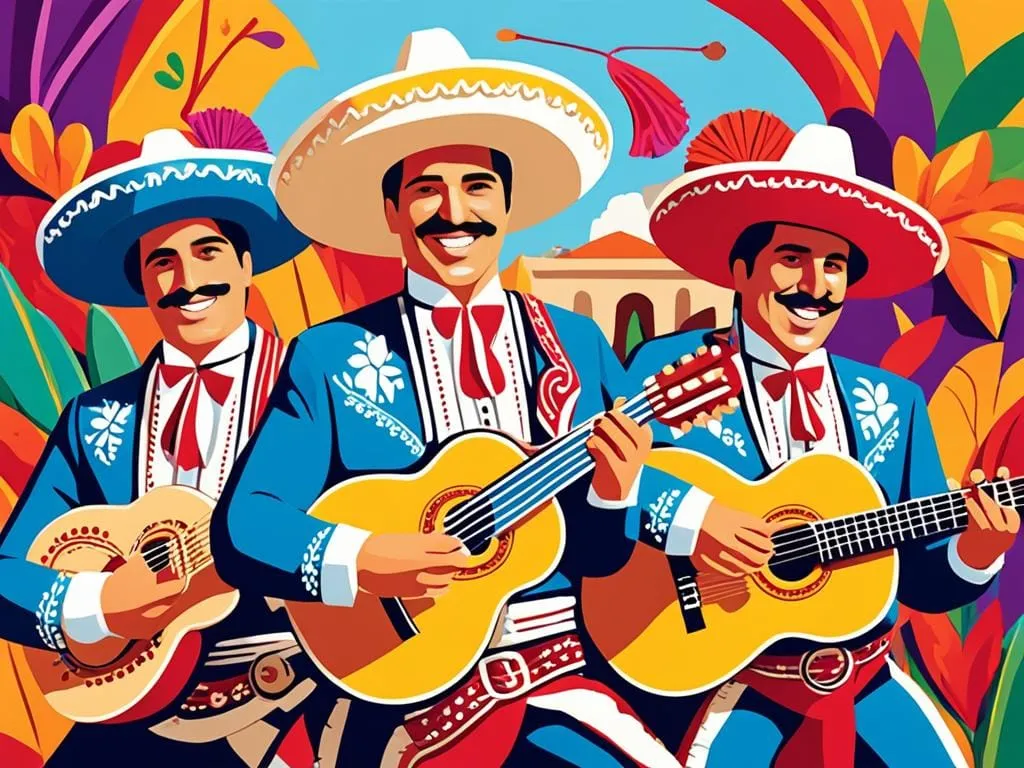
Mariachi music is a key part of Mexico’s culture. It’s on the Intangible Cultural Heritage of Humanity list. Performed by musicians in charro outfits, it includes string instruments and trumpets. Mariachi music is known for being romantic, patriotic, or even spiteful. The music includes shouts of “ay, ay, ay, ay!”.
Mariachi Music: A Quintessential Mexican Tradition
For many Mexicans, listening to mariachis is a right of passage. This lively, emotive music is deeply tied to Mexican identity. The mariachi tradition shows off the country’s rich culture across generations. It highlights the music’s power to connect with emotions and celebrate life.
Plaza Garibaldi: The Heart of Mariachi Culture
Plaza Garibaldi in Mexico City is perfect for experiencing mariachi music. It’s known as the center of mariachi culture. Here, visitors can see musicians in charro outfits perform live. The square echoes with soulful mariachi melodies. Locals and tourists enjoy the music with tequila and mezcal. This scene fully dives into the colorful Mexican culture.
Vibrant Festivals and Celebrations
Mexico is known for its colorful festivals with deep indigenous roots. The Guelaguetza is a major example, happening on two Mondays after July 16th every year. This tradition enhances the country’s cultural tapestry, showcasing dances, music, and arts.
Guelaguetza: Sharing and Community
The term “guelaguetza” means “sharing and community,” highlighting key beliefs in Mexican culture. It shows in a festival where various groups come together. They present traditional dances, music, and crafts, demonstrating their community’s vibrancy and unity.
The Guelaguetza sheds light on the deep link between Mexicans and their traditional practices. This connection shows the strength and honor of their diverse heritage. It marks the event as a top cultural highlight in Mexico, filled with joy and togetherness.
Indigenous Arts and Crafts
Mexico is known for its colorful indigenous arts and crafts. It includes detailed pottery, textiles, and basket-weaving. These traditions have been passed on for many generations.
The country’s artisans are also skilled in making silver items and mosaics. All these art forms show Mexico’s creative side and its connections to its past.
Pottery, Textiles, and Basket-Weaving
Pottery, textiles, and basket-weaving are key parts of Mexico’s art. Artisans use both old and new designs. For example, Oaxacan textiles are known for their bright colors and patterns. In Michoacán, basket-makers weave beautiful and complex items.
Silver-Smithing and Mosaics
Silver smiths in Mexico create beautiful jewelry and objects. They are inspired by the country’s early cultures. In places like Taxco, these traditions are kept alive.
Tile mosaic painting is another craft that thrives in Mexico. In Puebla, artists make colorful and detailed works. These adorn many buildings and homes.
Mexican Fashion: From Traditional to Contemporary
Mexican fashion blends global trends with its unique heritage. It is known for both international styles and its own rich culture. In Mexico, you’ll see traditional clothing like the huipil for women. This is a beautiful, sleeveless dress covered in delicate artwork and special meaning.
Men often wear the sarape, a large, colorful blanket cape. They also have the charro suit, first worn by Mexican cowboys. These outfits show Mexico’s deep fashion roots.
The charro suit is also important for mariachi musicians, looking official with its shiny adornments and big hat. This mix of old and new fashion shows Mexico’s cultural wealth. It is a testament to its history and the impact of both its original people and colonial period.
Huipiles and Sarapes: Traditional Mexican Attire
The huipil and sarape are classic pieces of traditional Mexican fashion. They remain beloved over time. These clothes are more than just outfits. They are celebrations of Mexican creativity and stories. They show off deep cultural symbols.
Charro Suits: The Formal Wear of Mariachi Musicians
Charro suits stand out with their fine details and the iconic sombrero. They are the elegant choice for mariachi musicians. These suits come from the wear of Mexican cowboys. Today, they are a key part of the mariachi tradition. This makes them very special in Mexican fashion and heritage.
Frida Kahlo and Diego Rivera: Icons of Mexican Art
Frida Kahlo and Diego Rivera stand as icons in Mexico’s world of art. Kahlo’s art is known for its vivid colors and personal touch. Rivera, meanwhile, led the Muralist movement, painting large artworks that told stories and celebrated Mexico’s history. Together, they’ve become key figures in Mexican culture and art.
Kahlo’s style is famous for its bright colors and deep feeling. She often painted herself, showing her hardships and joys. This kind of art connects deeply with Mexico’s story and its people.
Rivera’s murals are all over Mexico, sharing the nation’s history and culture with everyone. His big paintings teach viewers about Mexico’s art and traditions. They are a big part of Mexico City’s Palacio Nacional, where they tell important stories about the country.
Frida Kahlo and Diego Rivera are major figures in Mexican art. They’ve deeply impacted the country’s culture through their creativity. Their work tells the story of Mexico and its people in a unique way.
Exploring Mexico’s Regional Diversity
Mexico is a big and diverse country, with different landscapes and cultures in each region. Visitors will find unique aspects of culture and history everywhere they go. This rich variety is what makes Mexico an exciting place to explore.
Northern Mexico: Flour Tortillas and Banda Music
In the north, flour tortillas are a must-try. They are soft and tasty, used in many dishes like burritos and tacos. The food is paired with banda music. This type of music is lively and has its own unique beat, reflecting the region’s culture.
Southern Mexico: Corn Tortillas and Mariachi
Heading south, you’ll taste delicious corn tortillas. These tortillas have a long history, coming from the region’s indigenous past. Mariachi music is also a big part of the culture in this area. It’s known for its lively tunes and colorful outfits.
Conclusion
The traditions and culture of Mexico show its long history and strong people. The country blends ancient civilizations with Spanish and modern influences. Whether enjoying the food, learning about indigenous customs, or joining festivals, Mexico offers an incredible journey.
Exploring Mexico’s traditions, we see how its diverse heritage has shaped a unique culture. The mix of indigenous and Spanish styles is seen in everything from the Día de Muertos to mariachi music. This shows the resilience and creativity of the Mexican people.
We leave with a strong love for Mexico’s vibrant traditions and rich cultural heritage. It is a source of national pride and a sign of the Mexican spirit. Whether tasting Oaxacan food or enjoying a local fiesta, Mexico’s cultural diversity is a true treasure.
FAQ
What makes Mexican culture so vibrant and diverse?
Mexican culture is a mix of indigenous and Spanish influences. This blending started during the colonial period. It has created a cultural landscape full of variety, showing the country’s rich geography.
What are some of the ancient civilizations that have shaped Mexico’s cultural heritage?
The Olmecs, Teotihuacan, and Toltecs laid the foundation for Mesoamerican society. Their culture hugely influenced later civilizations like the Aztecs.
What makes Mexican cuisine so special?
UNESCO calls Mexican cuisine an Intangible Cultural Heritage. It combines indigenous foods like corn, chili, and seafood with Spanish additions like beef and pork. This mix makes Mexican food unique and flavorful.
How do indigenous traditions and beliefs shape Mexican culture?
Indigenous traditions have deeply influenced Mexico’s culture. For example, Chamulan Catholicism blends elements of both pre-Hispanic and Catholic beliefs.
What is the significance of Día de Muertos (Day of the Dead) in Mexican culture?
Día de Muertos is a UNESCO-recognized celebration in Mexico. It shows a unique cultural view of death. It’s a time when Mexicans celebrate life by honoring their deceased loved ones.
How is mariachi music an integral part of Mexican culture?
Mariachi music is part of Mexico’s Intangible Cultural Heritage. It’s an essential tradition, with many Mexicans singing mariachi songs. A notable place to experience it is at Plaza Garibaldi in Mexico City.
What are some of the vibrant festivals and celebrations that showcase Mexico’s cultural diversity?
Mexico is known for its energetic festivals tied to its indigenous roots. The Guelaguetza is a big event celebrating sharing and community. These celebrations highlight Mexico’s cultural diversity.
How do Mexican arts and crafts reflect the country’s cultural heritage?
Mexican artisans create a wide range of beautiful works. From pottery and textiles to silver work, they show the country’s creativity. These crafts tie modern Mexico to its ancient roots.
How do Frida Kahlo and Diego Rivera represent the artistic spirit of Mexico?
Frida Kahlo and Diego Rivera are key figures in Mexican art and culture. Kahlo’s work reflects her life’s Mexicanness. Rivera’s art celebrates Mexico’s deep and vibrant heritage.
How does Mexico’s diverse geography contribute to its cultural diversity?
Mexico’s diverse geography leads to cultural variations across the country. From the food and music of the north to the traditions of the south, each region adds to Mexico’s rich culture. This makes Mexico an interesting and diverse place to visit.
