As climate change damages streets and highways, the road ahead may be expensive

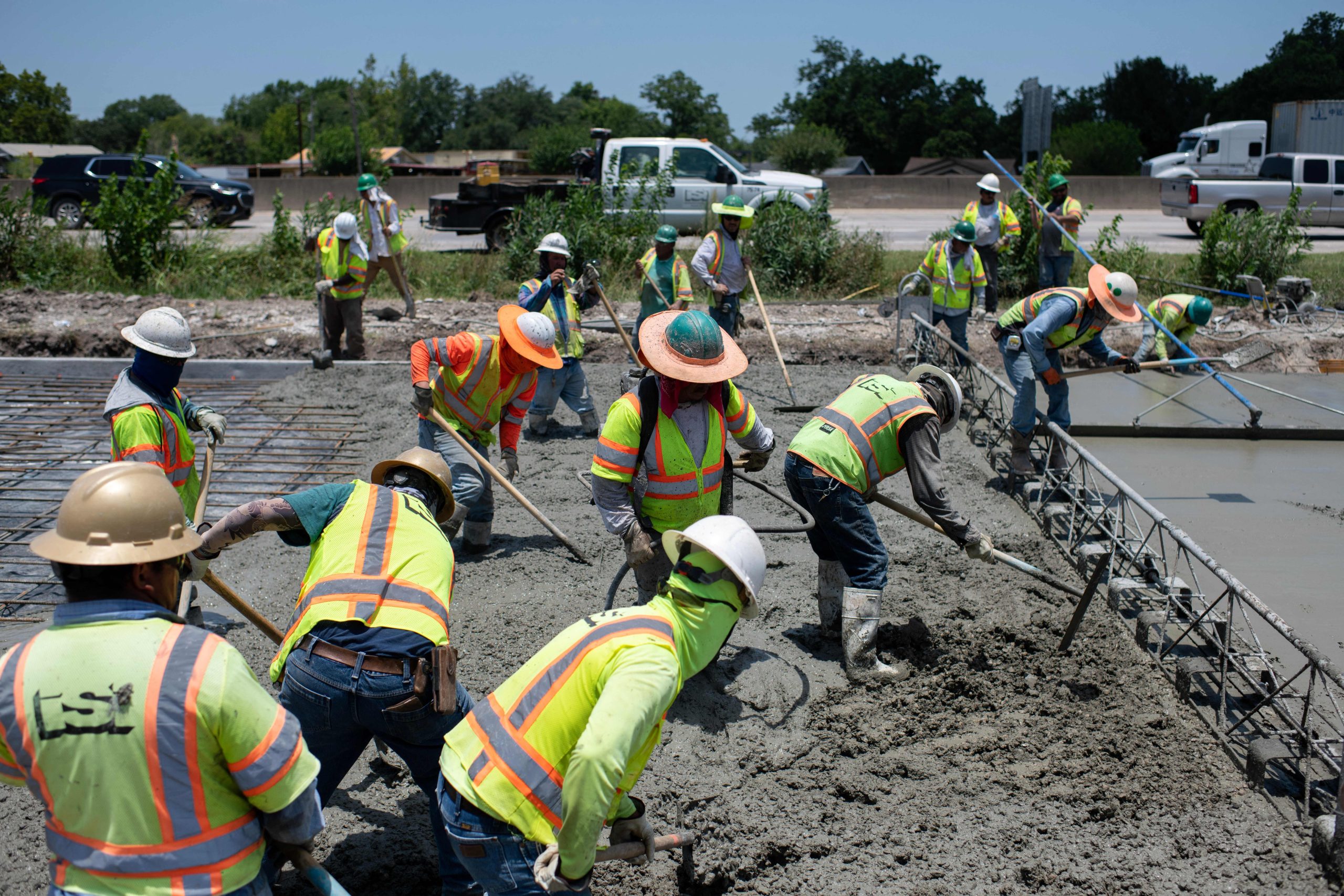
As climate change damages streets and highways, the road ahead may be expensive
As climate change damages streets and highways – The sweltering heat of a recent heatwave left a trail of destruction across the eastern United States, particularly during the Fourth of July weekend. Record-breaking temperatures strained the nation’s transportation networks, causing roads to deform and traffic to grind to a halt. From bustling highways to urban thoroughfares, the effects of extreme heat were evident in the form of cracked pavements and buckled surfaces.
Heat-Induced Road Failures in Action
One of the most striking examples occurred along a section of Interstate 97 near Baltimore, where a single lane of the concrete-paved highway suddenly warped under the scorching sun. The sudden closure disrupted holiday travel, highlighting the vulnerability of even well-maintained infrastructure. In Chicago, a similar issue unfolded on a city street, though the damage was less severe. Despite these differences, both incidents underscored the growing threat that rising temperatures pose to road systems.
State transportation agencies across the country have issued warnings, urging drivers to remain vigilant for heat-related damage. The phenomenon, once rare, is now becoming a recurring challenge, forcing officials to rethink how roads are designed and maintained. Engineers are grappling with the question: can existing infrastructure withstand the escalating demands of a warming climate?
Understanding the Science Behind Heat-Related Road Damage
Climate change is intensifying the frequency and severity of heatwaves, according to scientists. The combination of soaring temperatures and increased rainfall, which are both linked to global warming, creates a perfect storm for pavement distress. When moisture seeps beneath the road surface, it weakens the material, making it more prone to expansion and contraction. Prolonged exposure to high heat exacerbates this issue, leading to structural failures that can shut down major routes.
Charles Marohn, founder of Strong Towns, a Minnesota-based nonprofit focused on resilient urban design, explains that heat-induced buckling happens when pavement becomes “squishy” due to water absorption. “This softening causes the surface to move, which weakens its integrity,” he says. The process is further complicated by sustained high temperatures, which trigger rapid expansion. “If the heat lasts several days, the pavement can no longer compensate, resulting in cracks or complete deformation,” Marohn adds.
“You take that prolonged period of just intense heat, a lot of traffic on top of it, and that’s when you have something like this happen,” says Charlie Gischlar, a spokesperson for the Maryland Department of Transportation, referring to the I-97 incident. “It’s not just about the heat itself, but how it interacts with the existing road structure and the weight of vehicles.”
The Material Dilemma: Concrete vs. Asphalt
The type of pavement used plays a critical role in how roads respond to extreme weather. Amit Bhasin, a professor at the University of Texas at Austin, points to concrete—also known as rigid pavement—as being particularly susceptible to thermal stress. “Concrete is designed to resist expansion, but when it’s exposed to prolonged heat and moisture, it can fail more dramatically,” he says. To mitigate this, engineers often incorporate steel rebar or expansion joints between concrete panels. These features allow the material to shift without cracking, but they come at a cost.
Bhasin emphasizes that expansion joints, while essential, are not without drawbacks. “The rhythmic clack-clack sound they produce can be annoying for drivers, especially on long stretches of highway,” he notes. “It’s a trade-off between ride quality and structural durability.” However, underestimating the need for these joints can lead to more serious problems. “If the pavement expands beyond its design limits, it’ll buckle and create hazards for traffic,” he explains.
Asphalt, by contrast, behaves differently. Its flexibility allows it to absorb some of the stress caused by heat, but this comes with its own set of challenges. “Asphalt tends to soften and flow under high temperatures, which can lead to ruts forming in areas with heavy traffic,” Bhasin says. “This is especially noticeable in slow-moving zones, like city streets or parking lots, where the material is repeatedly compressed.” While asphalt is easier to repair, its shorter lifespan means it requires more frequent maintenance, a factor that becomes increasingly costly in a climate change context.
“Any time you design an asphalt or concrete mix, you’re designing for a certain range of temperatures,” Marohn says. “Extreme events expose the limits of those assumptions. Under normal conditions, a pavement might perform just fine, but when temperatures fall outside the expected range, problems start to appear.”
Designing for a Warmer Future: Challenges and Solutions
The key to preventing future road failures lies in adapting design standards to account for climate change. Engineers must consider not only current weather patterns but also projected increases in heat and precipitation. “If there is a trend predicting different kinds of extreme event scenarios, those should be incorporated into the pavement design,” Bhasin states. This involves adjusting materials, reinforcement methods, and construction techniques to handle the new realities of weather.
For instance, Bhasin suggests that concrete highways could benefit from increased steel reinforcement or modified expansion joints. “If you’re using reinforced steel, then you would want to consider different percentages of steel reinforcement,” he says. “Alternatively, changing the size of the panels or spacing the joints more strategically might help.” Similarly, asphalt roads could be upgraded with heat-resistant blends, though this often requires higher upfront investment.
Marohn argues that the choice between materials depends on long-term costs and sustainability. “Concrete highways typically cost more to build, but they tend to last longer and require less maintenance over time,” he explains. “Asphalt, on the other hand, is cheaper initially but needs more frequent repairs. The challenge is finding a balance between durability and affordability in the face of escalating climate pressures.”
Despite these considerations, many engineers admit that the issue is not solely about materials. “The biggest problem is weather and climate data—or a lack thereof,” Marohn says. “If we can predict how extreme events will evolve, we can design roads accordingly. But without accurate data, we’re essentially making educated guesses.” This uncertainty complicates efforts to prepare for the future, as engineers must weigh the risks of underdesigning against the costs of overbuilding.
The Path Forward: Investment and Innovation
As the frequency of extreme weather events grows, the need for infrastructure upgrades becomes more urgent. “We could be very conservative and say, ‘OK, let’s design for extreme events,’ ” Bhasin says. “That would ensure the roads can handle the worst-case scenarios, but it would also require a significant financial commitment.” For some regions, this means embracing more expensive materials or construction methods, while others might focus on incremental improvements.
The transition to climate-resilient roads will demand collaboration between policymakers, engineers, and environmental scientists. “This isn’t just a technical problem—it’s a systemic one,” Marohn says. “We need to update our design standards, invest in better data collection, and prioritize long-term sustainability over short-term savings.” Bhasin agrees, emphasizing that the solutions are already available but require proactive implementation.
With climate change reshaping the landscape of transportation, the road ahead is not just a question of how to repair existing damage—it’s about how to build roads that can withstand the challenges of a hotter, wetter future. The cost may be high, but the alternatives could be even more expensive if the current trends continue. As engineers and planners work to adapt, the goal is clear: ensuring that the nation’s infrastructure can keep pace with the changing climate.