Israel seizes medieval castle as it expands major offensive in southern Lebanon

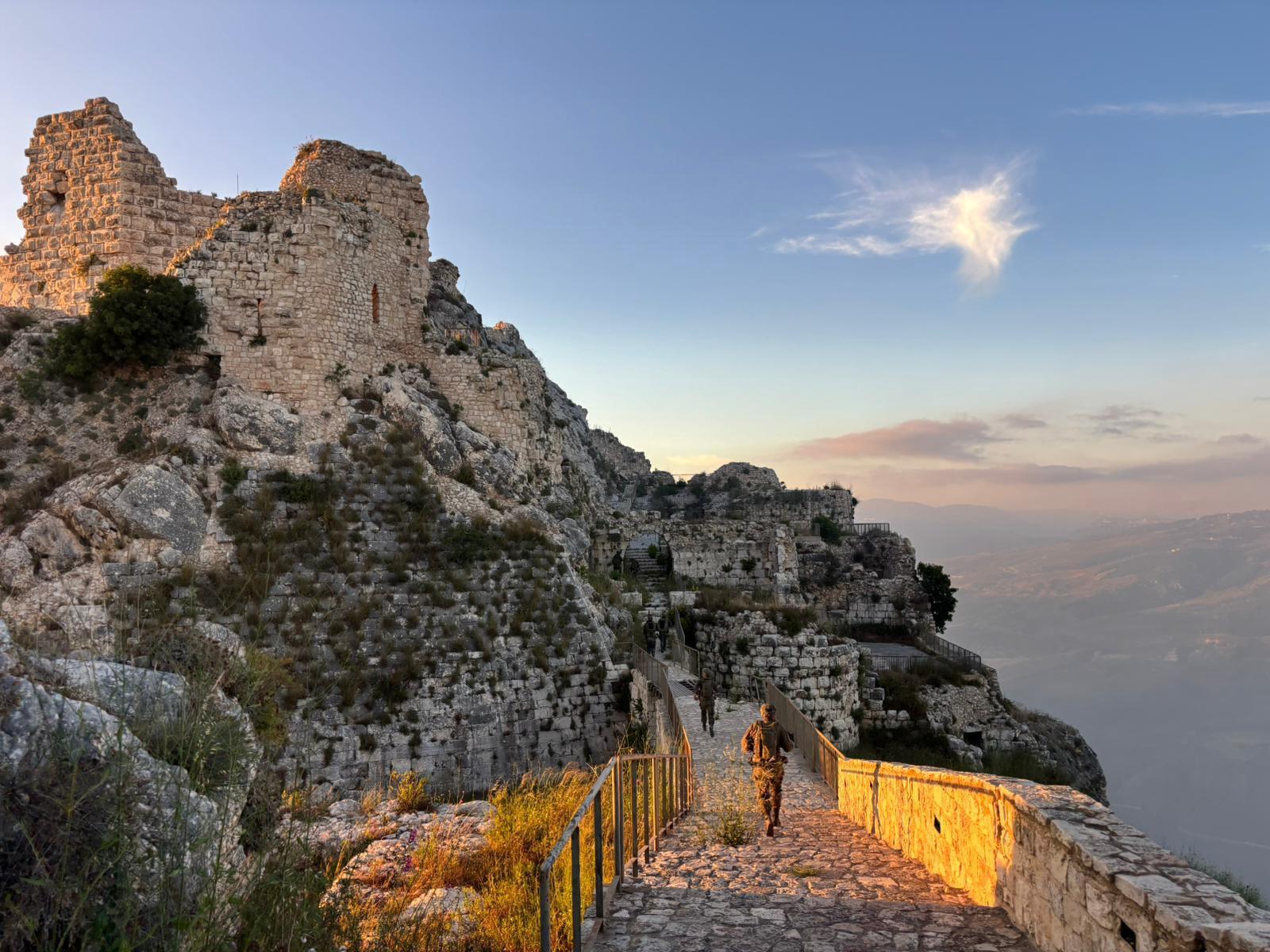
Israel Reclaims Beaufort Castle as Major Southern Lebanon Offensive Intensifies
Israel seizes medieval castle as it expands – BEIRUT, LEBANON — Israeli troops have reoccupied the Beaufort Castle in southern Lebanon, a 900-year-old Crusader-era fortress, following a recent military campaign. The strategic hilltop site, now under Israeli control, has become a focal point in the ongoing conflict with Hezbollah. This move represents Israel’s most significant advance into Lebanese territory in over two decades, with forces expanding their operations into previously untouched regions.
Footage released by Israeli forces shows the national flag flying atop the Beaufort Castle, while smoke rises from the nearby town of Arnoun. The recent escalation of hostilities, including the destruction of several villages, suggests that Israel is preparing for a prolonged military presence in the area. The operation has drawn international attention, with critics warning of its potential to deepen the crisis between Israel and Lebanon.
Beaufort Castle, situated on a high elevation, has historically held strategic importance due to its commanding view over southern Lebanon and northern Israel. The site was initially captured by Israel in 1982 during a campaign against the Palestine Liberation Organization (PLO), which was based in the region. The castle was later held by Hezbollah, who used it as a defensive stronghold. After Israel withdrew from southern Lebanon in 2000, the fortress fell into disuse until its recent reclamation.
Israel’s Defense Minister, Israel Katz, described the castle’s recapture as a critical step in securing the region. “Our brave soldiers have captured the Beaufort once again — and they will remain there as part of the security zone in Lebanon,” he stated in a Sunday address. The castle, now nine miles from the southern border with Israel, provides an advantageous vantage point for monitoring movements in both countries. This position has made it a target for both sides in the conflict.
Lebanon’s Prime Minister, Nawaf Salam, criticized the Israeli incursion, emphasizing its impact on civilian life. “Israel must know that its scorched earth policy, collective punishment, and expropriation of villages and towns will not achieve security and stability but will instead deepen the divide with the Lebanese people,” he said in a Saturday speech. Salam called for an immediate ceasefire and the withdrawal of Israeli forces, acknowledging the challenges of negotiating peace but stressing its necessity to prevent further suffering.
The conflict has already displaced over 1.2 million people in southern Lebanon, according to the Lebanese Ministry of Public Health. Casualty figures reveal a grim toll, with more than 3,300 deaths reported, including 20 percent of women, children, and first responders. Israel attributes these losses to Hezbollah attacks, which have resulted in the deaths of 23 soldiers and a military contractor. However, the Lebanese government maintains that the attacks are part of a broader pattern of Israeli aggression.
Despite a U.S.-brokered ceasefire agreement, Israeli forces have continued their military campaign. Recent days have seen an increase in ground troops and aerial bombardments, with the United Nations noting hundreds of daily strikes. The intensified operations have also targeted the city of Nabatiyeh, located over 20 miles from the border, as part of Israel’s broader strategy to pressure Hezbollah.
Hezbollah, the militant group backed by Iran, has responded with a series of attacks, including the use of fiber-optic drones that evade Israeli defenses. These weapons have accounted for several Israeli casualties, though the group’s overall firepower remains limited compared to the scale of Israeli operations. The group has made it clear that it will not disarm while under attack, maintaining that its presence is essential to defending Lebanese territory.
Lebanon’s culture minister reported that the castle had been struck by Israeli forces before its recapture, with the attack damaging the historic site. UNESCO has previously recognized Beaufort Castle as one of the best-preserved examples of medieval architecture in the Near East, highlighting its cultural and historical value. The current conflict risks not only military objectives but also the preservation of Lebanon’s heritage.
Israeli and Lebanese officials are engaged in ongoing talks in Washington, D.C., despite the countries’ decades-long state of war. The Lebanese government has expressed willingness to disarm Hezbollah and replace it with national army forces, but logistical and financial constraints have stalled progress. The U.S. has mediated these discussions, aiming to broker a lasting peace between the two nations.
Hezbollah’s refusal to disarm has been a sticking point in negotiations. The group views its military presence as vital to resisting Israeli advances, while Lebanon’s leaders argue that a ceasefire is necessary to protect civilians. The war has also strained U.S.-Iran relations, with Iran insisting that any resolution must include an end to hostilities in Lebanon.
Historically, Beaufort Castle has been a symbol of both conflict and resilience. Constructed in the 12th century during the Crusader period, it has endured multiple sieges and battles, including attacks by the PLO and Hezbollah. The site’s strategic location has made it a recurring flashpoint, with its control shifting between forces over the years. Its current reoccupation underscores the evolving dynamics of the war in southern Lebanon.
Analysts suggest that Israel’s focus on Beaufort Castle reflects its broader objectives to establish a buffer zone in the region. By securing key positions like the castle, the Israeli military aims to disrupt Hezbollah’s ability to launch attacks from within Lebanon. The operation has also drawn comparisons to the 1982 campaign, which saw the PLO expelled from the area. However, the current situation involves a more entrenched presence of Hezbollah, complicating the path to a resolution.
International observers, including United Nations peacekeepers, have documented the scale of the conflict. The increased deployment of tanks and troops by Israel has created a tense standoff with Hezbollah, which remains committed to its armed struggle. The U.S. continues to advocate for diplomatic efforts, but the effectiveness of these talks remains uncertain as both sides push for military advantages.
As the fighting intensifies, the Beaufort Castle stands as a reminder of the long-standing tensions between Israel and Hezbollah. The fortress, once a symbol of Crusader dominance, now embodies the modern conflict’s legacy. With each new engagement, the stakes for both nations grow, raising concerns about the future of Lebanon’s stability and the possibility of a prolonged war.
Lebanon’s leaders have warned that the ongoing conflict could undermine the nation’s ability to recover from the war’s devastation. The country’s infrastructure, economy, and social fabric are increasingly strained, with civilians bearing the brunt of the violence. Meanwhile, Israel’s military actions continue to shape the region’s political landscape, as the government seeks to assert control over southern Lebanon through strategic gains.
The recent capture of Beaufort Castle highlights the evolving nature of the conflict. While Israel’s military campaign has focused on territorial control, Hezbollah’s guerrilla tactics and drone warfare have kept the fighting unpredictable. The fortress, once a relic of the past, now serves as a frontline position in a war that has spanned decades and redrawn the boundaries of power in the region.
As the situation unfolds, the international community watches closely. The U.S.-Iran rivalry, the Lebanese government’s resolve, and the resilience of Hezbollah all play a role in determining the outcome of this conflict. The Beaufort Castle, with its rich history and strategic value, remains a powerful symbol of the ongoing struggle between the nations.