
Top Environmental Education Programs for Youth Success
Top Environmental Education Programs for Youth Success
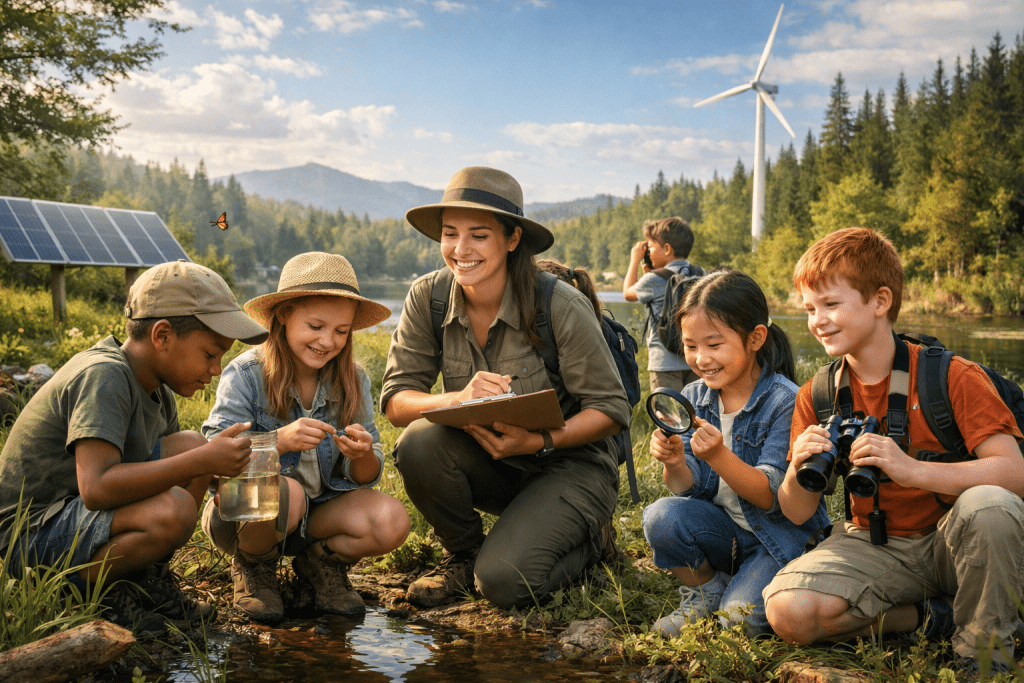
Environmental education plays a crucial role in shaping the future of our planet, especially by empowering the younger generation with knowledge and tools to protect the Earth. Environmental education programs for youth have gained significant attention over the years for their ability to foster responsibility, awareness, and action in addressing critical environmental challenges. These programs provide young individuals with the opportunity to understand the science behind environmental issues and inspire them to become environmental advocates and problem-solvers.
This article will explore some of the best environmental education programs for youth, offering insights into how these initiatives promote sustainable practices and youth success in today’s world.
The Importance of Environmental Education for Youth
Understanding environmental issues at a young age is crucial in forming a generation that can face challenges like climate change, pollution, and biodiversity loss. Environmental education programs for youth do more than just teach facts; they cultivate critical thinking skills, encourage community involvement, and foster an appreciation for nature. By involving youth in these programs, we can equip them with the skills and mindset to build a sustainable future.
These programs also teach the importance of teamwork, innovation, and leadership in environmental initiatives, preparing youth for success in various career paths. Whether they aspire to become scientists, educators, or community leaders, the knowledge gained from such programs often helps guide their future decisions and actions.
Notable Environmental Education Programs for Youth
Many programs around the world are designed to introduce young people to environmental concepts and engage them in practical activities. Some stand out due to their comprehensive approaches, lasting impact, and the depth of their curricula. Here are a few noteworthy examples:
1\. The Green Schools Program
The Green Schools Program encourages students to adopt sustainable practices at school and at home. Focused on environmental literacy, this program educates students on subjects like renewable energy, recycling, and water conservation. It also provides schools with resources to create green spaces, integrate sustainability into the curriculum, and adopt eco-friendly practices. This program is widely recognized for its ability to motivate students to be environmental leaders in their communities.
2\. Youth Climate Leaders (YCL)
Youth Climate Leaders is a global program that empowers young individuals to take part in climate action. Through workshops, seminars, and leadership training, YCL provides youth with the knowledge and skills to influence climate policy and engage in environmental activism. Participants gain hands-on experience in organizing community-based projects, which helps them develop critical leadership and organizational skills.
3\. Eco-Schools Program
Eco-Schools is an international program that empowers students to lead sustainability initiatives in their schools. By integrating environmental education into the core curriculum, Eco-Schools fosters sustainable development and promotes the creation of action plans to address local environmental concerns. This program is designed to inspire youth to become problem-solvers by taking ownership of environmental projects in their school or community.
4\. Outward Bound Environmental Education Programs
Outward Bound combines outdoor adventure with environmental education to create transformative experiences for youth. The program uses expeditions and hands-on activities to teach students about nature conservation, team-building, and leadership. By engaging in activities like hiking, kayaking, and camping, youth are not only immersed in nature but also challenged to think critically about how human actions impact the environment.
5\. The Wild Foundation’s Youth Conservation Programs
The Wild Foundation focuses on empowering youth through conservation efforts and wilderness preservation. Their youth conservation programs are designed to help young people develop an understanding of wildlife conservation, endangered species protection, and ecosystem restoration. By participating in hands-on conservation efforts, youth learn about the importance of preserving biodiversity and become active contributors to global conservation initiatives.
Key Benefits of Participating in Environmental Education Programs
The benefits of environmental education are far-reaching, impacting personal development, community involvement, and career readiness. Here are some key advantages of enrolling youth in environmental education programs for youth:
1\. Increased Environmental Awareness
Youth participants gain a deep understanding of environmental issues and their potential solutions. This awareness goes beyond simple knowledge—it often transforms into a lifelong commitment to sustainable living. Whether it’s understanding the implications of climate change or learning the value of conservation, youth become informed advocates for the planet.
2\. Hands-on Experience and Problem-Solving Skills
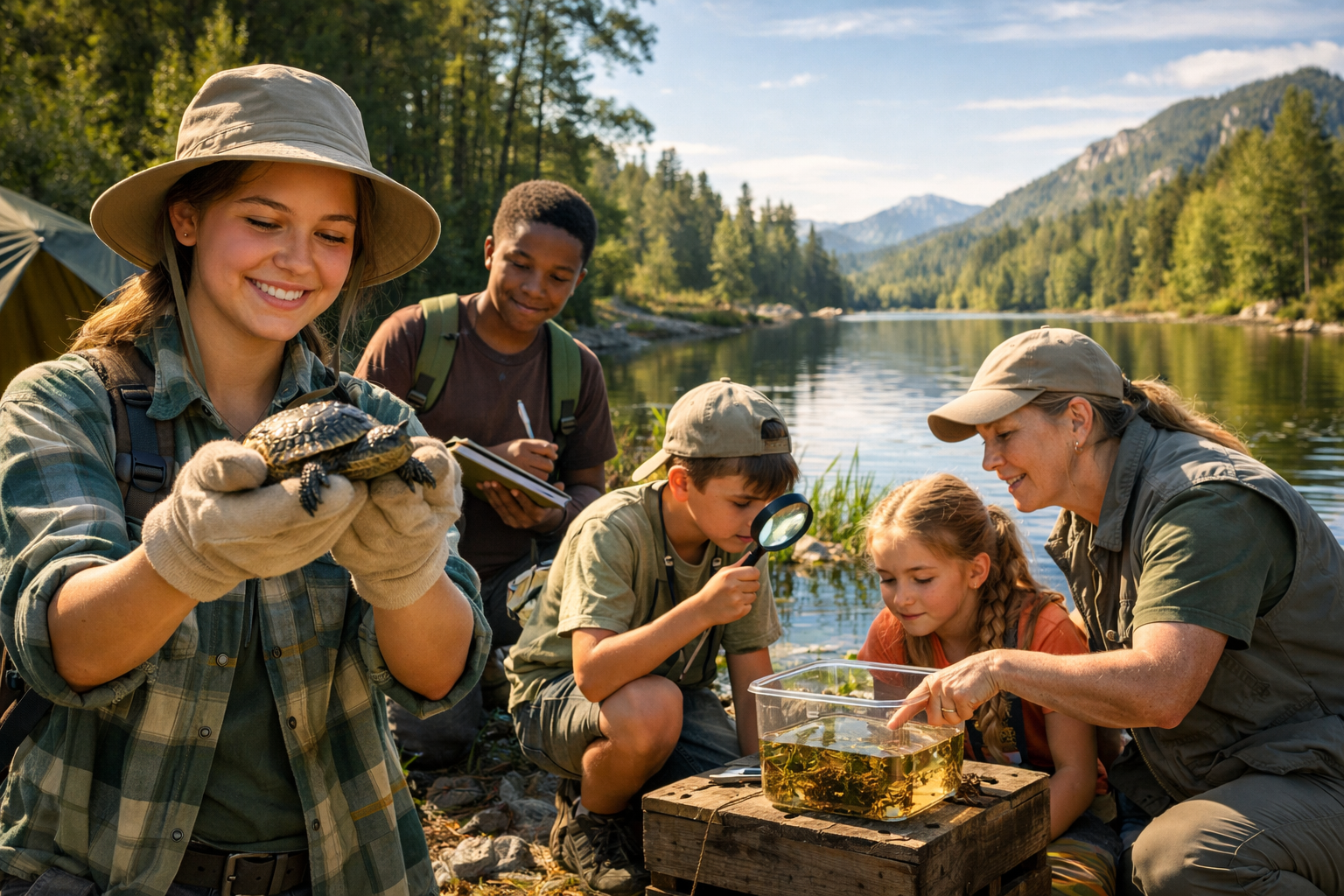
These programs encourage practical, hands-on learning, allowing youth to actively participate in solving real-world environmental challenges. They develop problem-solving skills, learn how to collaborate with others, and gain insights into innovative technologies and sustainable practices. By tackling environmental issues in real-time, students grow more confident in their ability to make a difference.
3\. Community Impact and Leadership Development
Environmental education programs for youth provide young people with the opportunity to make a tangible impact in their communities. Many programs require participants to implement projects that address local environmental challenges, such as starting recycling initiatives or planting community gardens. Through these projects, youth build leadership skills and become role models for other students, teachers, and community members.
How Environmental Education Programs Prepare Youth for Success
Environmental education programs for youth are essential for developing the skills and knowledge that are crucial for future success. By engaging in these programs, young people gain the ability to:
– Think critically about complex environmental issues.
– Collaborate with peers and experts to develop solutions.
– Communicate effectively, whether advocating for policy changes or educating others about sustainability.
– Lead initiatives that promote environmental stewardship in their communities.
These skills are valuable not only for addressing environmental challenges but also for excelling in various academic fields, professional careers, and leadership roles.
Conclusion
Environmental education is vital for youth success, providing the foundation for a generation that understands the value of sustainability and is equipped to create positive change. By engaging with environmental education programs for youth, young individuals are empowered to become leaders, innovators, and advocates for the environment. Whether it’s through school programs, outdoor expeditions, or conservation efforts, these programs offer the tools and experiences needed to shape the future of our planet.
*
FAQ
Q: What are the main benefits of environmental education programs for youth? A: These programs increase environmental awareness, develop problem-solving skills, and promote leadership development, preparing youth to become advocates for sustainability. Q: How can environmental education programs impact youth in the long term? A: By providing youth with the tools to understand and address environmental challenges, these programs equip them with critical thinking, teamwork, and leadership skills that benefit them in their academic and professional careers. Q: Are there any programs that focus specifically on climate change education? A: Yes, programs like Youth Climate Leaders (YCL) offer in-depth education on climate change and empower youth to take action through advocacy and policy work. Q: How do environmental education programs influence youth's community involvement? A: These programs encourage youth to lead sustainability initiatives in their communities, such as organizing recycling programs or environmental awareness campaigns, fostering a sense of responsibility and leadership. Q: What kind of activities are typically included in environmental education programs for youth? A: Activities often include hands-on projects, field trips, outdoor adventures, and workshops that teach about environmental conservation, sustainable practices, and problem-solving strategies.
