
Charges dropped against activists in Chicago immigration crackdown amid grand jury misconduct claims
Charges Dropped Against Activists in Chicago Immigration Crackdown Amid Grand Jury Misconduct Claims
Charges dropped against activists in Chicago – On Thursday, federal prosecutors in Chicago abruptly dismissed charges against four activists who had been at the center of a high-stakes legal battle tied to the city’s immigration enforcement measures. The decision came after a federal judge raised concerns about potential misconduct by the U.S. Attorney’s Office during the grand jury proceedings. U.S. Attorney Andrew Boutros, who was appointed by the Trump administration last year, announced the move in court, citing the judge’s review of redacted grand jury transcripts as the catalyst for the case’s dismissal.
Boutros revealed that he had only recently become aware of the alleged missteps, which included a prosecutor meeting with a grand juror outside of official proceedings. Additionally, some jurors who opposed the case’s dismissal were excluded from participating, according to the transcripts. While Boutros acknowledged the allegations, he emphasized that the actions were unintentional and aligned with the judge’s instructions to ensure the law was applied correctly. “No one acted with the intent to mislead your honor, and I think that they were following your order to give the law,” he stated, underscoring his belief in the prosecutors’ adherence to legal procedures.
Context of the Immigration Crackdown
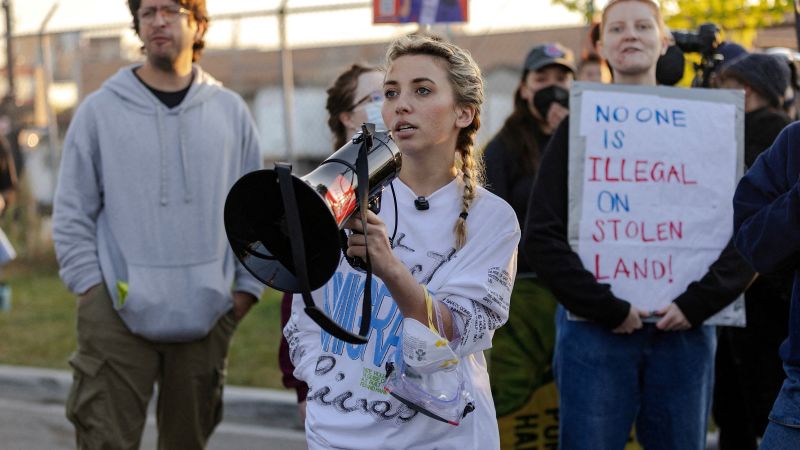
The case centers on protests that took place during last year’s heightened immigration enforcement efforts in Chicago. The activists had demonstrated outside a federal building, clashing with officials during the operation. Their charges, initially set for trial next week, were part of a broader campaign by federal authorities to target individuals accused of obstructing immigration agents. This approach has drawn criticism, with defense attorneys arguing it undermines free speech and due process.
Kat Abughazaleh, one of the activists, had been among six people initially charged with conspiring to impede an officer in October. Prosecutors claimed she and others had surrounded an immigration agent’s van at a federal facility in Broadview, a suburb of Chicago, during the crackdown. However, the case faced challenges when the grand jury transcripts were scrutinized, revealing inconsistencies in the evidence presented. Two of the original defendants had already had their charges dropped, and the felony conspiracy charge was later rescinded entirely, leaving the activists with only misdemeanor counts.
“The revelations of the grand jury misconduct that led to the dismissal of the charges is sadly not surprising,” said Abughazaleh’s defense attorney, Josh Herman. “This misguided case should have never been brought against Kat Abughazaleh or any of her co-defendants for exercising their protected First Amendment rights.”
Herman pointed to the lack of transparency in the grand jury process as a key issue, arguing that the redacted documents obscured critical details. The defense team is now seeking unredacted transcripts to further challenge the prosecution’s case. The dismissal of charges with prejudice means the activists cannot be recharged for the same offenses, a significant legal relief for those involved.
Grand Jury Procedures and Judicial Oversight
The judge, April Perry, had ordered part of the hearing to be closed to the public, citing the need to protect the confidentiality of grand jury proceedings. Despite objections from the Chicago Tribune, Chicago Sun-Times, and other media outlets, Perry maintained the decision, emphasizing the importance of keeping grand jury discussions private. This move highlights the tension between public accountability and the secrecy inherent in grand jury investigations.
Other defendants in the case included Andre Martin, a campaign staff member for Abughazaleh; Brian Straw, a village trustee from Oak Park; and Michael Rabbitt, a Democratic committeeperson. Each had been charged with a single misdemeanor count of forcibly impeding a federal agent. The dismissal of these charges marked a pivotal moment in the ongoing legal saga, which had become a symbol of the broader debate over federal enforcement tactics.
Broader Implications for the Justice Department
This case is not the first instance where prosecutors have faced scrutiny for their handling of grand jury proceedings during the Trump administration. Earlier this year, a federal judge in Virginia criticized the Justice Department for a “disturbing pattern of profound investigative missteps” in the case against former FBI Director James Comey. The magistrate judge who reviewed the case noted issues such as “fundamental misstatements of the law” by a prosecutor during the grand jury session, the use of potentially privileged communications, and unexplained irregularities in the transcript.
Those problems culminated in the dismissal of Comey’s indictment after a judge ruled that the prosecutor who made the false statements had been illegally appointed. The current Chicago case adds to this pattern, with defense attorneys accusing the U.S. Attorney’s Office of prioritizing political goals over procedural integrity. “The prosecution’s reliance on redacted evidence suggests a lack of transparency and a willingness to overlook key facts,” Herman stated, drawing parallels to the Comey case.
As the dismissal of charges against the activists unfolded, the focus shifted to the role of grand juries in shaping federal prosecutions. Critics argue that these secretive panels can be manipulated to serve political agendas, while supporters defend their necessity in ensuring fair trials. The Chicago case now stands as a cautionary tale for federal prosecutors, raising questions about how they balance speed with accuracy in high-profile cases.
The activists’ legal team plans to use the unredacted transcripts to demonstrate how the grand jury process may have been influenced by external pressures. They also highlighted the impact of the Trump administration’s immigration policies on public dissent, with some protesters fearing retaliation for speaking out against the enforcement measures. “This case represents a broader effort to criminalize peaceful protest,” Herman added, stressing the importance of the First Amendment in protecting individuals’ rights.
Meanwhile, the U.S. Attorney’s Office faces renewed scrutiny. Boutros, who took office in late 2025, has not provided further comments since the dismissal, leaving the door open for criticism of his leadership. The decision to drop the charges has sparked discussions about the potential for bias in federal prosecutions, particularly in cases involving political activism. As the legal community weighs the implications, the Chicago case remains a focal point in the ongoing debate over justice and transparency in the courtroom.
For the activists, the dismissal marks a victory, but it also underscores the challenges they faced in defending their actions. Their protests had been part of a larger movement against the Trump administration’s immigration policies, which had led to increased arrests and stricter enforcement. The case now serves as a reminder of the high stakes involved in challenging federal authority, even when the goal is to protect constitutional rights.
With the charges dropped and the grand jury transcripts under review, the focus shifts to whether the U.S. Attorney’s Office will face additional consequences for its conduct. Judge Perry hinted at the possibility of a separate hearing to assess potential sanctions against the prosecutors, signaling a growing awareness of the need for accountability. As the legal landscape evolves, the Chicago case will likely remain a reference point for discussions on the balance between public safety and individual freedoms.
