Daftar Isi
Searching for Identity: One of 81,000 Missing U.S. Soldiers May Finally Be Found
A Century-Old Mystery in the Aleutian Islands
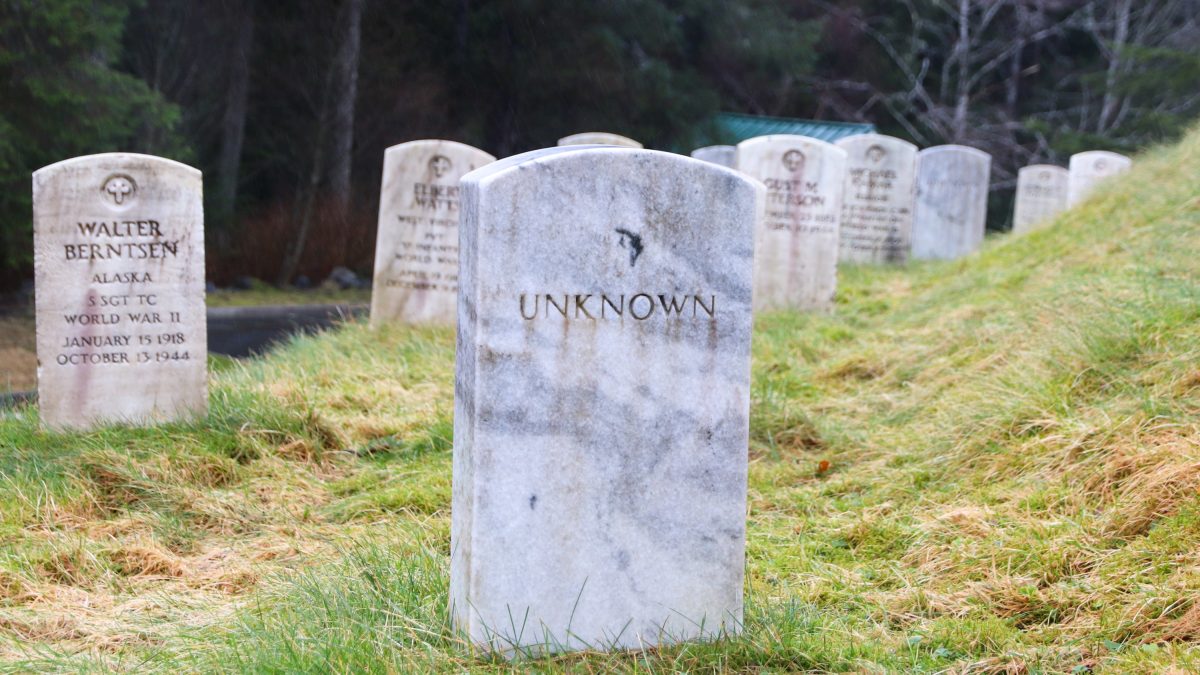
Ecorescuezone.com – More than eighty-one thousand American military personnel remain unaccounted for following conflicts spanning decades. Among these forgotten heroes is an individual designated as “X-3,” whose remains have rested in Sitka, Alaska, for generations. In June, a solemn ceremony marked the formal removal of this soldier from his final resting place, as Coast Guard members transported an American flag-covered case from a cemetery to a waiting hearse. Dozens of veterans, active service members, and emergency responders gathered to witness this historic moment.
The ceremony did not honor a contemporary casualty. Instead, it commemorated the beginning of a new chapter for X-3, who perished more than eighty years ago. An agency operating under the Department of Defense maintains responsibility for locating and identifying these lost warriors. According to official DOD records, the majority of missing personnel originated from World War II, the Vietnam conflict, and the Korean War. While most remains are discovered overseas—since the United States was not a primary combat zone—certain regions hold significant numbers. Hawaii contains over 1,900 unidentified soldiers, while Alaska holds approximately 120.
The Crash That Changed Everything
The narrative of X-3 traces back to June 3, 1942, when Japanese forces attacked Unalaska, commonly called Dutch Harbor. This community sits roughly 800 air miles from Anchorage within the Aleutian Islands chain. The American military immediately mobilized resources to counter the assault. During this response, a twin-motor C-53B aircraft experienced a catastrophic failure near Cold Bay on the northern portion of the Alaska Peninsula. All personnel aboard perished in the crash.
Michael Livingston, a dedicated historian who has extensively researched World War II activities in the Aleutians, provided context for the tragedy. Sixteen soldiers occupied the aircraft during what was supposed to be a routine transit between two Alaskan military installations. The plane’s wreckage and ten of the crew members vanished without a trace. A local fur trapper eventually discovered the bodies of the remaining six servicemen after they washed ashore and arranged for their temporary burial. Military authorities later relocated these remains to a community cemetery before transferring most to their home regions following the war’s conclusion.
Years of Advocacy and Hope
Only one of the recovered men failed to receive identification: X-3. He was eventually moved to Sitka, where he remained for decades. Livingston spent years urging the Department of Defense to exhume the soldier and attempt identification through modern methods. His persistence eventually yielded results.
Meanwhile, in Texas, 71-year-old Chris Pfeiffer had been searching for answers about his grandmother’s brother for many years. Pfeiffer believed his great-uncle, 2nd Lieutenant Eugene Christensen from Nebraska, was among those lost on that fateful flight. Christensen attended college for a single year before joining the U.S. Army Air Forces at age twenty-one. He served less than twelve months before his aircraft went down.
Pfeiffer, himself a military veteran, accumulated hundreds of pages documenting both the crash and his great-uncle’s service history. Like Livingston, he petitioned officials to exhume X-3’s remains. “Could it be my uncle? Yes. Could it not be? Yes. We have to manage our expectations on this,” Pfeiffer explained. His great-grandparents, parents, and other family members passed away without learning Christensen’s fate. “It could have been shared,” he reflected. “There’s some closure, because now we know this is the one opportunity, it’s the best one we have, to see what happened.”
The Recovery Operation
Aaron Cummings serves as a senior planner with the Defense POW/MIA Accounting Agency, the DOD organization responsible for recovering missing personnel. Cummings revealed that DPAA began examining this case in 2017, but advancement remained limited until Pfeiffer’s involvement. “We are an agency with finite resources,” he noted. “It’s hard to prioritize, it’s hard to rack and stack your missions, and family interest is one of the elements that we utilize to determine how we prioritize and which missions move up the ladder.”
During several days in late June, a specialized recovery team conducted the excavation. The group included an archeologist, an odontologist specializing in dental identification, a medic, and Cummings himself. Working by hand, they carefully dug the grave situated on a narrow terrace of the main hill within the national cemetery. Cummings emphasized that this operation differed from typical recoveries in numerous ways, particularly regarding the condition of the casket and the potential for successful identification through dental records and other forensic methods.
For both Livingston and Pfeiffer, and for countless others connected to the missing, this disinterment represents more than just finding a name. It symbolizes the possibility of finally bringing closure to families who have waited generations for answers about their loved ones who never returned home from the Aleutian Islands.
Related Reading
Frequently Asked Questions
What is Over 81 000 U S soldiers?
Over 81 000 U S soldiers is the main topic of this guide. The article explains the context, practical details, and next steps readers should understand.
Why does Over 81 000 U S soldiers matter?
Over 81 000 U S soldiers matters because readers are looking for a useful answer, not just a short summary. Good content should match search intent and help them decide what to do next.