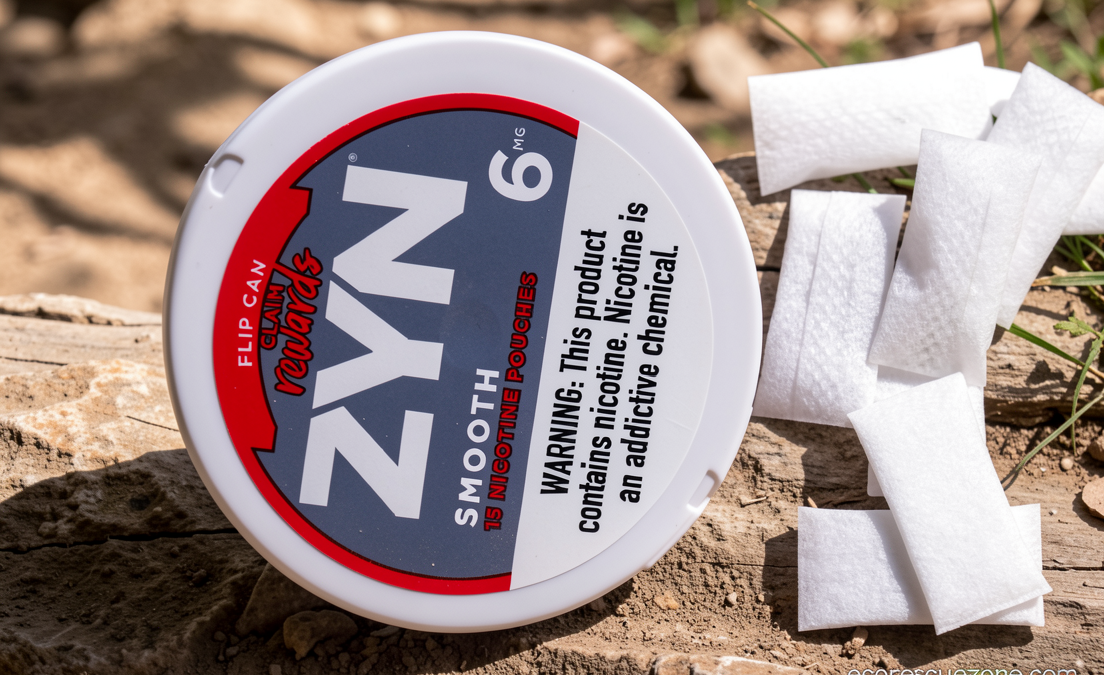
Nicotine Pouches Can Be Marketed as Lower-Risk Alternative
Ecorescuezone.com – Nicotine pouches can be marketed as a lower-risk alternative to traditional cigarettes, according to new FDA guidance. These small white containers hold nicotine crystals and sit between the lip and gum, releasing nicotine directly into the bloodstream without smoke or ash. The discreet delivery method has gained traction among adult smokers seeking alternatives to traditional tobacco products.
Zyn, one of the leading brands in this category, recently received regulatory approval to promote its product with reduced health risk claims. The FDA authorized marketing statements highlighting potential benefits for mouth cancer, heart disease, lung cancer, stroke, emphysema, and chronic bronchitis. This represents a significant shift in how emerging nicotine products are positioned in the marketplace.
What the FDA Authorization Means
Bret Koplow, acting director of the FDA’s Center for Tobacco Products, explained that the authorization provides consumers with reliable information. The agency aims to enable adult users to make educated decisions about tobacco product choices based on scientific evidence regarding relative harms. This approach acknowledges that different consumption methods carry different risk profiles.
“This decision is intended to ensure that adult users have clear, science-based information about the relative harms of tobacco products, so they can make informed choices.”
Benefits and Concerns Coexist
Public health experts remain divided on the implications of this regulatory development. Some researchers argue these products offer genuine harm reduction for the approximately 480,000 Americans who die from tobacco use annually. Others worry about unintended consequences, particularly among younger populations who might become nicotine-dependent.
Nicotine itself comes from the tobacco plant, though manufacturers increasingly utilize laboratory-produced versions. The compound creates dependency regardless of delivery method. Advocates stress that oral consumption avoids the combustion process that generates thousands of harmful chemicals in cigarette smoke.
“The pouches are demonstrably less harmful than burning tobacco leaves and inhaling the 7,000 chemicals that are in tobacco smoke.”
Mitch Zeller, a professor at Dartmouth Geisel School of Medicine and former FDA tobacco center director, describes switching to pouches as an obvious choice for heavy smokers seeking alternatives. He notes that the product eliminates inhalation of smoke-borne toxins while maintaining nicotine satisfaction.
Marketing Strategy and Consumer Appeal
Zyn has positioned itself aggressively in the market with lifestyle-oriented branding. The brand appears on Ferrari Formula 1 race cars and offers flavors including Cool Mint, Smooth, and Chill. This approach has drawn both praise and criticism from industry observers.
Brian Erkkila, who directs external affairs and scientific engagement for Zyn’s parent company Philip Morris International, personally credits the product with helping him quit smoking. He wonders whether his father, who died from lung cancer, might have benefited had Zyn been available during his lifetime.
“Nicotine is addictive and is not risk-free.”
Despite the positive positioning, Erkkila acknowledges that addiction potential remains regardless of delivery method. The company maintains that its 3-milligram pouch delivers comparable nicotine to one cigarette, while its maximum 11-milligram offering does not constitute a high dose by industry standards.
Scientific Uncertainty Remains
While the FDA authorization provides a framework for marketing claims, long-term health outcomes are still being studied. Researchers continue to monitor how these products affect different demographic groups over time. The authorization represents a middle ground between strict regulation and allowing consumers access to potentially less harmful alternatives.
As more data emerges, the conversation around nicotine pouches will likely evolve. The key question remains whether these products serve as effective harm reduction tools or create new health challenges. For now, the FDA’s decision allows manufacturers to communicate their products’ relative benefits to consumers.
Frequently Asked Questions
Are nicotine pouches safer than cigarettes? Research suggests they are less harmful because they avoid combustion and inhalation of smoke-borne chemicals, though they are not risk-free.
Can nicotine pouches help smokers quit? Many users report success transitioning from cigarettes, though individual results vary based on nicotine dependence levels.
Who should avoid nicotine pouches? Non-smokers, pregnant women, and people under 18 should consult healthcare providers before using nicotine products.
How much nicotine do pouches contain? Standard pouches contain 3 milligrams, with maximum offerings reaching 11 milligrams per pouch.