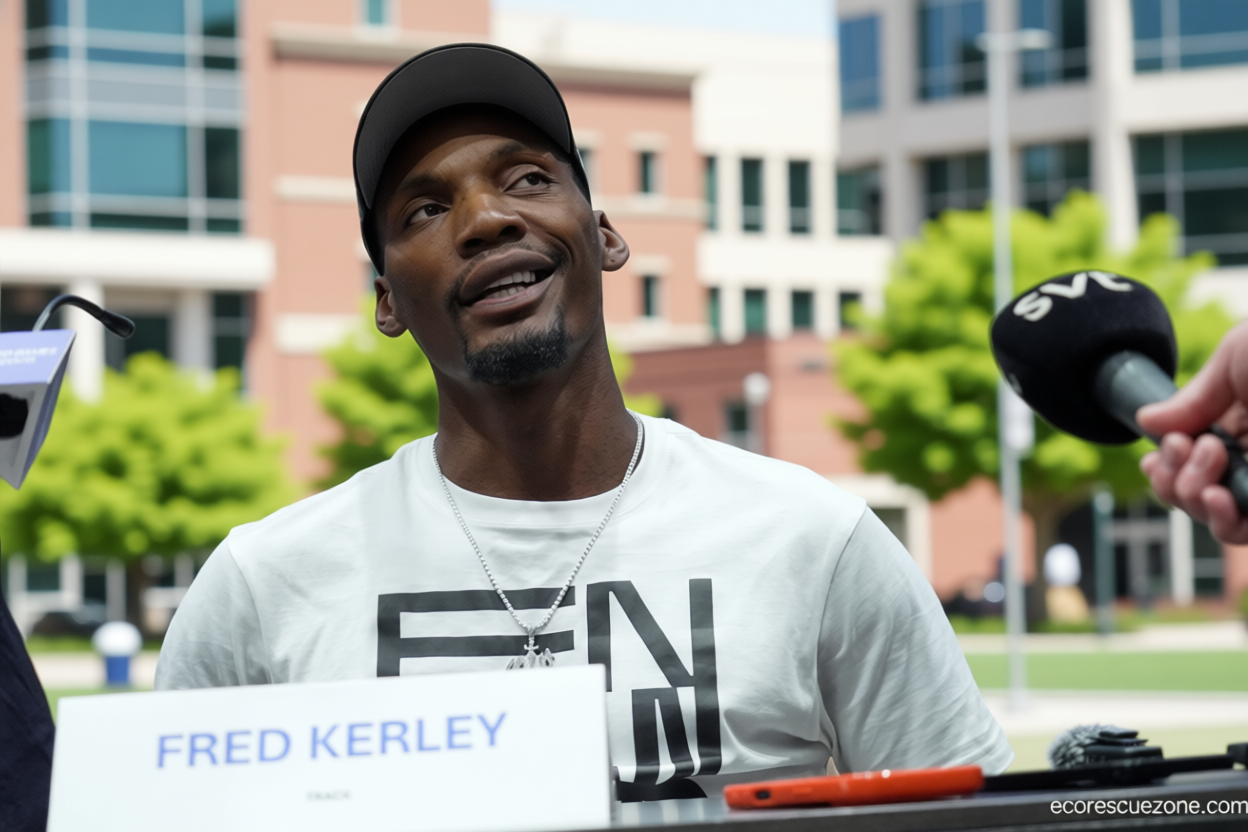
Court orders Instagram and Facebook’s Meta to pay $567M to address kids’ mental health online

Daftar Isi
Court Orders Instagram and Facebook’s Meta to Pay $567M for Youth Mental Health
Ecorescuezone.com – A federal judge in New Mexico has ordered Instagram and Facebook parent company Meta to pay $567 million to address harms its platforms have caused to young people. The ruling marks the second phase of a landmark trial examining how Instagram and Facebook‘s design choices have impacted children’s mental wellbeing over several years.
Judge Bryan Biedscheid delivered the decision late Thursday, outlining how the substantial sum will be distributed across multiple initiatives. The largest portion—$420 million—will fund treatment services specifically designed for young people struggling with mental health challenges linked to social media use. The remaining funds will support awareness campaigns, prevention programs, screening services, and other related costs spread across the next five years.
Building on Previous Penalties
This latest financial obligation adds to penalties Instagram and Facebook already faces. In March, jurors had already ordered the company to pay $375 million in civil penalties after finding that Meta knowingly harmed children’s mental health while concealing information about child sexual exploitation occurring on its platforms. The combined total now stands at $942 million.
During the second phase of proceedings, prosecutors had requested fundamental structural changes at Meta beyond mere financial penalties. These included measures to rein in addictive features, improve age verification processes, and prevent child sexual exploitation through enhanced privacy settings and closer oversight mechanisms.
Despite the substantial penalty, the $942 million figure represents only a small fraction of Meta’s annual profit, which reached approximately $60 billion in 2025. Market reaction appeared muted, with investors seemingly shrugging off the New Mexico ruling during after-hours trading on Thursday. Meta’s stock declined less than half a percent, closing at $589.44 per share.
Accountability and Industry Implications
New Mexico Attorney General Raúl Torrez emphasized the broader significance of the decision. “Today’s decision is a victory for every parent who has worried about what social media is doing to their child and every child who deserves to grow up safer online,” Torrez stated in a formal declaration following the ruling.
The attorney general noted that the ruling sends an unmistakable message that companies will face consequences when their product designs knowingly place children at risk. This accountability framework could reshape how technology companies approach platform design and child safety measures across the industry.
Meta responded by highlighting its ongoing efforts to protect users. “We work hard to keep people safe on our platforms and have been transparent about the challenges of identifying and removing bad actors and harmful content,” the company explained in a statement. “We remain confident in our record of protecting teens online and will continue to defend ourselves against claims that misrepresent the facts.”
Age Verification and Technical Requirements
The court’s ruling addressed complex legal considerations surrounding children’s privacy. Federal children’s privacy laws, particularly the Children’s Online Privacy Protection Act (COPPA), prevent Meta from applying certain age-verification tools to children under 13. These regulations mean the court cannot order Meta to request children to submit personal data or be passively tracked online, even for age verification purposes.
The court also recognized that ordering verification of children’s ages exclusively for Meta, while other social media companies faced no such requirements, would be “inequitable and unduly injurious” to the company. Instead, the judge ordered Meta to continue improving its existing age assurance tools in New Mexico.
Meta’s current approach uses artificial intelligence to determine users’ ages based on various signals, including who their friends are and what types of content they post and consume. The company must develop a dedicated “under-13-years-of-age prediction model” within the next two years as part of its compliance efforts.
Ongoing Compliance Measures
Beyond technical improvements, Meta must implement several operational changes. The company must request proof of age for Instagram and Facebook users in New Mexico that it estimates to be under 13. When Meta determines a user is under 13, or under 18 but unable to estimate a specific age, it must treat that user as under 13 or under 18 until age verification is completed.
The ruling also requires Meta to partner with schools or child safety organizations to create a reporting portal. Through this system, school staff can flag users who may need additional support or intervention based on their social media activity.
“This ruling ensures that Meta takes meaningful action to protect young users while maintaining fair and equitable standards across the industry,” said Judge Biedscheid in his final remarks.
Frequently Asked Questions
How much is Meta paying in total for the New Mexico case?
Meta must pay a combined $942 million, which includes $375 million from the first phase and $567 million from the second phase of the trial.
What will the $567 million be used for?
The majority ($420 million) will fund treatment services for youth with mental health challenges. The remaining funds support awareness campaigns, prevention programs, and screening services over five years.
Does this ruling affect all Meta users?
While the financial penalty applies to Meta globally, the age verification requirements and reporting portal primarily impact users in New Mexico.
When does Meta need to complete its compliance measures?
Meta must develop its under-13 prediction model within two years and implement the reporting portal partnership with schools and child safety organizations as directed by the court.