U.S. military strikes Iran, while Trump vows more for Tehran’s retaliation

Daftar Isi
Strikes Resume Across the Gulf as Six-Month U.S.–Iran Conflict Enters Its Most Volatile Phase Yet
Ecorescuezone.com – After a fragile month of silence, gunfire returned to the Persian Gulf corridor on Tuesday when American aircraft and missiles struck a series of Iranian military installations, prompting Tehran to answer with ballistic missiles and drone swarms aimed at multiple locations throughout the Middle East. The exchange marks the latest escalation in a grinding, on-and-off war that has now stretched past six months and continues to rattle energy markets and complicate the political landscape ahead of November’s congressional midterms.
A Wedding Turned Tragic
Among the most harrowing consequences of the American barrage was a strike that landed on a private residence in Kuhestak, a town in southern Iran’s Hormozgan Province, where a wedding ceremony was underway at the time. Five people were killed, including one child, and at least 68 others were wounded, according to Ahmad Nafisi, the deputy governor of Hormozgan Province, who spoke by telephone to Iranian state television. The incident underscored how the conflict’s geography—dense coastal settlements sitting alongside naval and air-force infrastructure—makes civilian risk nearly unavoidable in any sustained air campaign.
Washington’s Stated Objectives
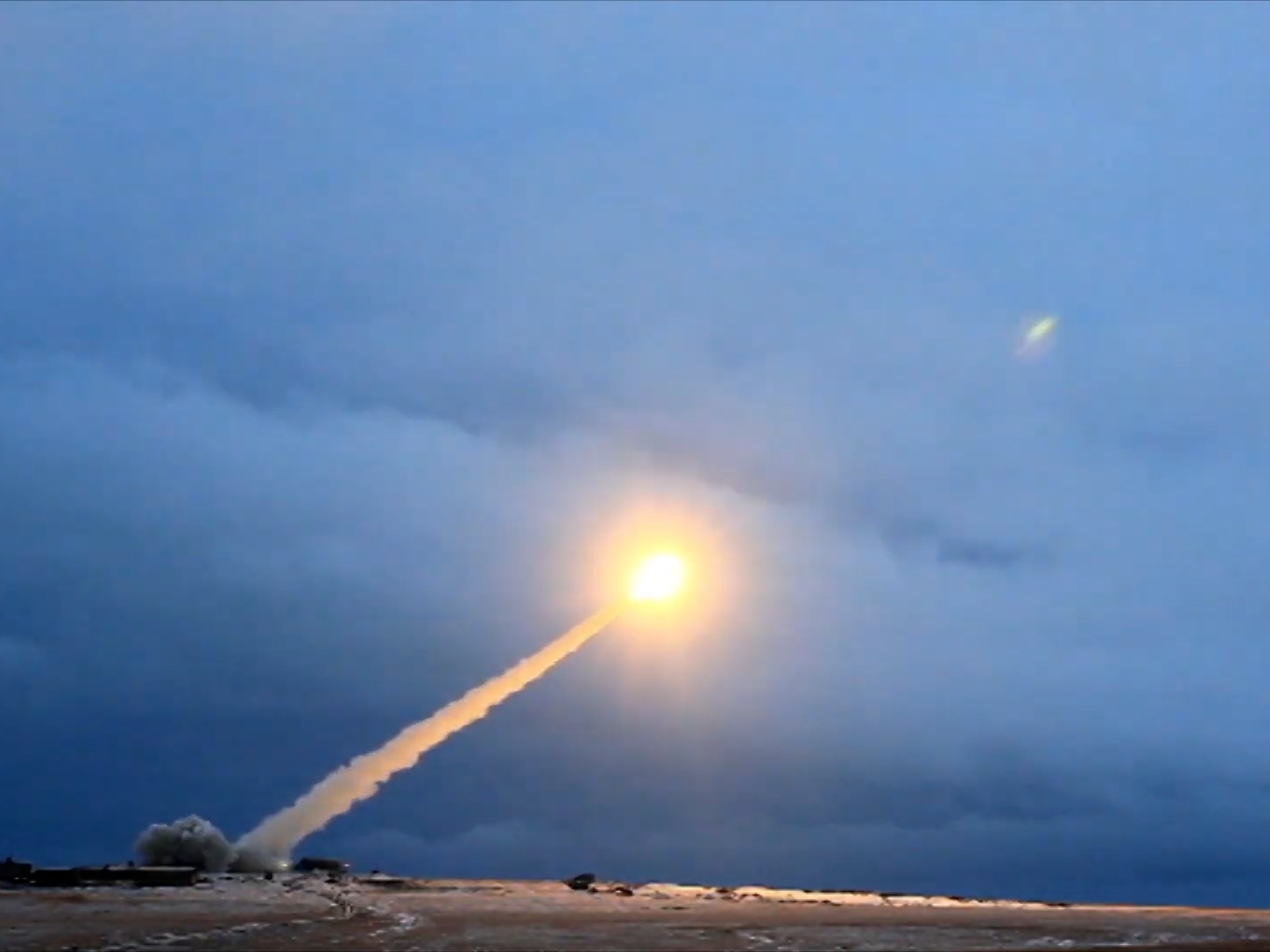
U.S. Central Command confirmed in an evening statement that it had completed what it described as the latest wave of strikes against Iranian air-defense batteries, radar installations, and maritime assets. The command framed the operation as a direct response to Tehran’s ongoing attempts to interdict commercial shipping and threaten American forces stationed across the region. President Donald Trump offered a narrower, more personal explanation in a phone interview with Fox News earlier in the day, saying U.S. forces had specifically targeted radar systems that Iran was attempting to reconstruct.
“They tried to rebuild their radar because they can’t see anything. We waited until it was almost built and then we hit it.”
The strikes on Tuesday followed a separate American attack on Sunday that had abruptly shattered a full month without military action between the two sides. That brief lull had offered a narrow window of relief to oil traders and to Republican lawmakers who had been watching the conflict’s shadow lengthen over their midterm prospects.
Trump’s Hardline Posture
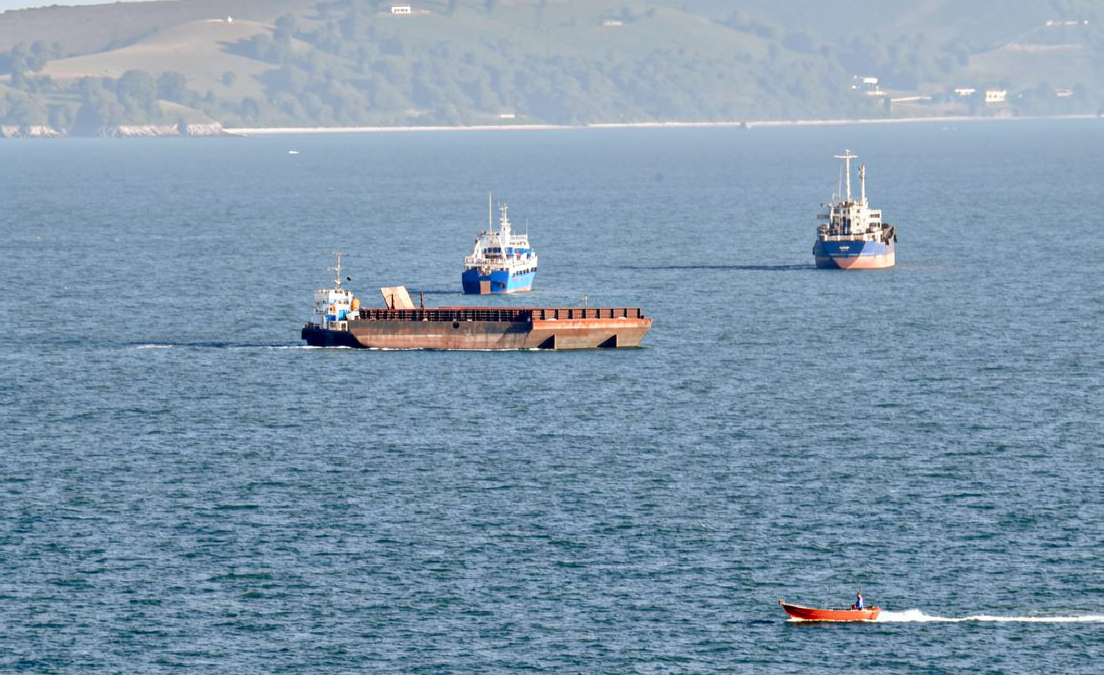
By late Tuesday, the president had moved decisively away from any suggestion of negotiated settlement. In a social-media post, he dismissed the prospect of forcing Tehran back to the negotiating table and instead celebrated what he characterized as America’s near-total command of the Strait of Hormuz—the narrow waterway through which roughly one-fifth of the world’s petroleum supply normally transits.
“I couldn’t care less if they sign a worthless, to them, agreement. I like our position now much better, with almost total control of the Hormuz Strait, and their economy totally collapsing. They are just playing out the inevitable. When are the Iranian people going to rise up and fight?”
Earlier in the day, Trump had signaled a pivot toward sustained economic pressure, warning that should Iran retaliate against the new strikes, American forces would respond at a “much harder and higher level.” The rhetoric pointed to a strategy of attrition through sanctions and selective kinetic action rather than a comprehensive ground campaign.
Tehran’s Retaliation Across the Region
Iran’s answer came quickly and broadly. Ballistic missiles were launched toward Jordan, with the Islamic Revolutionary Guard Corps claiming the targets included a U.S. military installation along the country’s Gulf of Aqaba coastline, per state television. Jordan’s armed forces announced that they intercepted ten of the incoming missiles; the remaining three fell in unpopulated terrain. Witnesses in Aqaba described a series of bright flashes consistent with air-defense interceptions overhead.
Drone attacks extended the reach of the retaliation. The Kuwaiti Army announced on X that its air-defense systems had downed incoming drones, describing the incursion as “criminal Iranian aggression.” Separately, Iran claimed a drone strike aimed at American forces in Bahrain, though Bahraini authorities stated that every projectile had been intercepted before reaching its intended target.
Iranian Military and Political Response
Iran’s Armed Forces General Staff and joint military command issued a statement vowing to deliver what they called “crushing and devastating blows” against the United States. The state-run IRNA news agency carried a separate Revolutionary Guard communiqué asserting that the American strikes had only hardened the Islamic Republic’s resolve and reinforced what Tehran described as its effective closure of the Strait of Hormuz—a claim that, if sustained, would carry enormous implications for global energy logistics and shipping insurance rates.
Ebrahim Azizi, chair of the Iranian parliament’s National Security and Foreign Policy Committee, posted on X that the civilian casualties would not go unanswered.
“Make no mistake: these crimes will not go unpunished.”
On the Southern Coast
Explosions were reported across several stretches of Iran’s southern coastline, including the port city of Bandar Abbas—home to major naval and air-force installations—and Qeshm Island, which sits directly inside the Strait of Hormuz. Witnesses in Bandar Abbas told The Associated Press that the blasts were noticeably more powerful than those experienced on Sunday and that plumes of smoke rose from the city’s eastern districts facing the strait.
Iranian state television identified additional targets struck by the American campaign: a fishmeal processing plant on Qeshm Island, a fishing pier in the coastal town of Sirik, and a tower belonging to the Ports and Maritime Organization. The broadcast also claimed that a civilian airport had been hit, though U.S. Central Command did not confirm that specific target.
Washington’s Response to Casualty Reports
Capt. Tim Hawkins, a spokesperson for U.S. Central Command, acknowledged that the command was aware of reports of civilian deaths and injuries but noted that the information “originated from Iranian state media.” He added a pointed distinction:
“The U.S. military never targets civilians, unlike the IRGC.”
Broader Implications
The renewed exchange lands at a particularly sensitive juncture. Global crude-oil benchmarks have already absorbed months of volatility tied to the conflict, and any further disruption to Hormuz transit—through which roughly 20 percent of the world’s oil flows—would likely trigger another sharp price spike with knock-on effects for inflation, transportation costs, and central-bank policy decisions worldwide. Domestically, the timing complicates the Republican congressional agenda heading into November, as voters weigh the party’s foreign-policy record against the economic aftershocks of prolonged hostilities. For now, both capitals appear locked into a cycle of strike and counter-strike, with no visible diplomatic off-ramp on either side.
Related Reading
Frequently Asked Questions
What is U S military strikes Iran while?
U S military strikes Iran while is the main topic of this guide. The article explains the context, practical details, and next steps readers should understand.
Why does U S military strikes Iran while matter?
U S military strikes Iran while matters because readers are looking for a useful answer, not just a short summary. Good content should match search intent and help them decide what to do next.