
The Trump phone will start shipping following months of delays
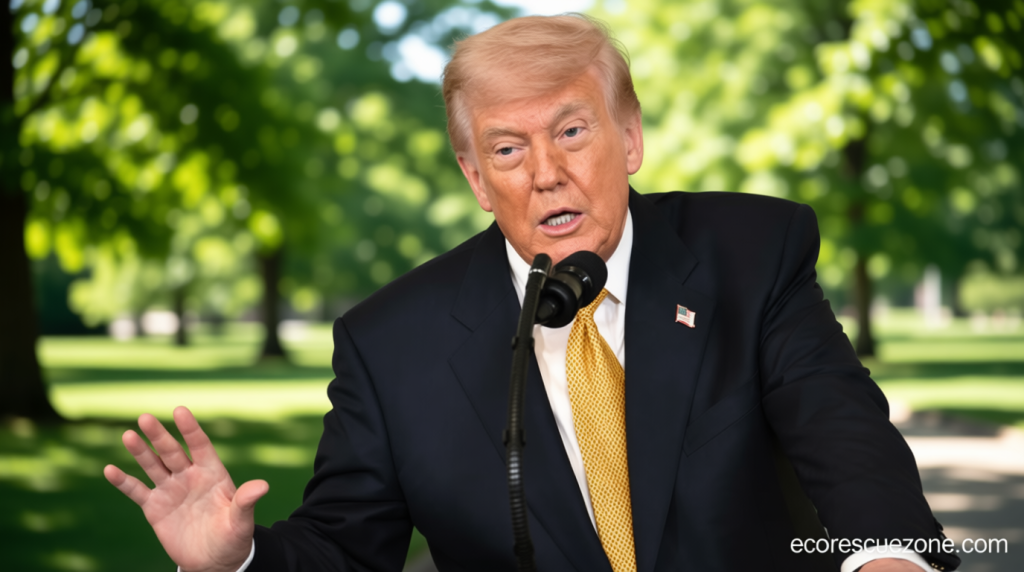
Trump Phone Finally on the Way After Prolonged Delays
The Trump phone will start shipping – After nearly a year of anticipation, the Trump-branded smartphone is set to begin its distribution this week, according to a recent announcement by Trump Mobile. The firm revealed that shipments would commence following months of delays, which had left pre-order customers in limbo. Initially, the company had accepted $100 deposits from buyers, but the timeline for fulfillment had remained uncertain until the latest update. The website, which had previously indicated delivery was “conditional,” now confirmed that the device would be available for purchase shortly. This marks a significant milestone for the project, which had faced skepticism from critics and stakeholders throughout its development.
Device Specifications and Design Choices
The Trump Mobile T1, priced at $499, has been described as a luxury smartphone that closely mirrors the design of a budget-friendly Chinese model sold at Walmart for under $200. While the final product retains the Trump brand and its signature golden color scheme, it falls short of the initial promises made by the Trump Organization. According to reports, the device features a smaller display and reduced internal storage capacity compared to the expectations set during its launch. Despite these compromises, the phone remains a symbol of the Trump brand’s foray into the technology sector.
Industry analysts have pointed out that the specifications align more closely with budget-friendly Chinese smartphones rather than high-end American devices. This discrepancy has raised questions about the project’s feasibility and whether the Trump Organization aimed to capitalize on its name rather than deliver a competitive product. Nonetheless, the firm maintains that the T1 represents a commitment to American values, even if its manufacturing process does not fully align with the original “Made in USA” claim.
Shift in Pre-Order Terms and Marketing Strategy
The pre-order conditions for the Trump Phone underwent a notable revision, with Fortune highlighting that the terms now state the company “does not guarantee that a Device will be produced or made available for purchase.” Instead, the $100 deposit is framed as a “conditional opportunity” to secure a unit if Trump Mobile decides to proceed with the sale. This change reflects the growing uncertainty surrounding the project and has led to concerns about transparency. However, the company has attempted to reframe its messaging through recent social media activity.
Following a six-month silence, Trump Mobile has been actively updating its Facebook page with news about the upcoming shipment. One post emphasized that pre-ordered customers would receive an update email, stating, “Phones start shipping this week!!!” The firm also disabled the comment section on its website, suggesting an effort to control the narrative and minimize criticism. This strategy has been met with mixed reactions, as some view it as an attempt to manage public perception while others accuse the company of evading accountability.
Revisions to the “Made in USA” Claim
Initially, the Trump Phone was touted as an American-made product, a claim that quickly became contentious. Industry observers noted that the phone’s specifications were strikingly similar to those of Chinese manufacturers, prompting skepticism about its true origin. In response, the Trump Organization revised its description, now stating the device is “designed with American values in mind.” This subtle shift has been criticized for its vagueness, as it allows for interpretation without clear evidence of U.S. manufacturing.
Ryan Reith, a senior analyst at International Data Corporation, explained that terms like “designed” and “built” are often used loosely in the tech industry. For instance, Apple designs its products in California but assembles them in China and India using components sourced globally. This ambiguity has led to debates about whether the Trump Phone’s “Made in USA” branding is genuine or merely a marketing tactic. The revised language, however, may not fully address concerns about the device’s production process.
Industry Analysts on the Timeline and Challenges
Max Weinbach, an analyst at tech research firm Creative Strategies, noted that the timeline for launching an Android-powered smartphone typically spans 18 months. This includes finalizing software development, securing manufacturer agreements, and negotiating supply chain logistics. The Trump Phone’s delay, he explained, was likely due to the complex process of bringing a new product to market. “There tend to be a lot of hoops to jump through to get an Android device on the market,” Weinbach said in an email to CNN.
Despite the lengthy process, the phone’s launch has been marked by a mix of excitement and skepticism. The Trump Organization, which oversees the project, is led by the president’s eldest sons, Eric and Donald Jr. While the company has not provided further details about the device’s production, it continues to emphasize its association with the Trump brand. This focus on branding has sparked discussions about the commercial viability of the product and the role of the Trump name in driving sales.
Political and Public Reactions to the Delay
The delayed launch of the Trump Phone has not only generated questions among consumers but also drawn attention from political figures. Democratic Senator Elizabeth Warren recently described the situation as “another Trump scam,” highlighting concerns about the company’s ability to deliver on its promises. The $47.45 data and voice plan, which is a central feature of the phone’s offering, has been interpreted by some as a subtle reference to President Donald Trump’s tenure as the 45th and 47th president of the United States.
Analysts have pointed out that the Trump Organization’s involvement in the project raises additional scrutiny. As a holding company for the president’s private enterprises, the firm’s products are often seen as extensions of Trump’s public persona. This dynamic has led to debates about whether the phone is a genuine innovation or a tool for generating revenue while the president is in office. Meanwhile, the Trump Mobile T1’s release may also serve as a test case for the brand’s ability to adapt to market realities.
As the Trump Phone prepares to hit the market, its success will depend on how effectively the Trump Organization can balance its branding ambitions with the practical demands of manufacturing. The revised specifications, while less ambitious, may still appeal to a niche audience eager to associate their purchase with the Trump name. However, the delays and shifting marketing language have left many wondering if the device is a testament to the brand’s resilience or a product of its well-known penchant for grandiose promises.
