
High gas prices, cost of living send US consumer sentiment to all-time low
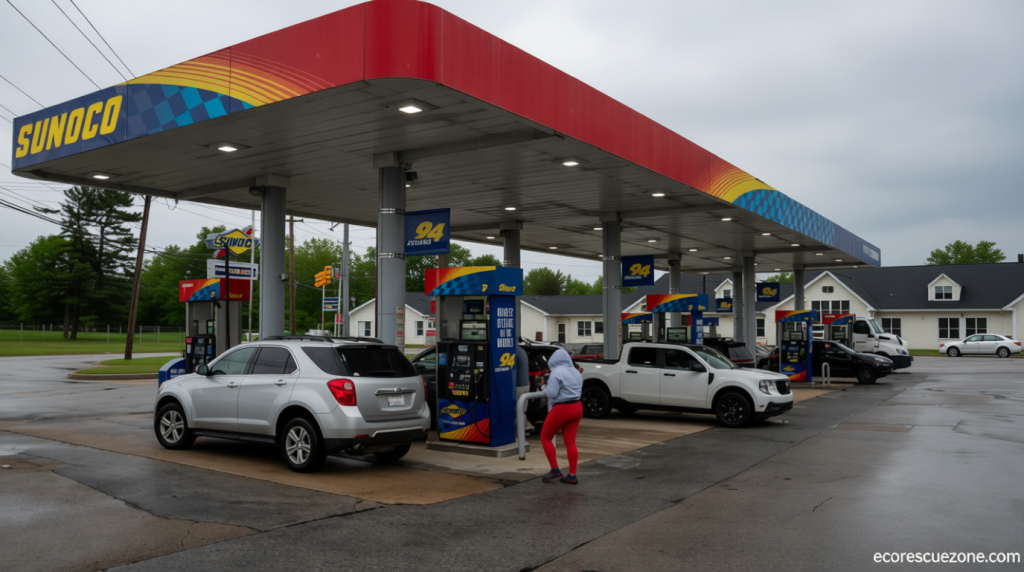
High gas prices, cost of living send US consumer sentiment to all-time low
High gas prices cost of living – American consumers are expressing widespread dissatisfaction with the current economic climate, as indicated by the latest report from the University of Michigan’s Surveys of Consumers. The May consumer sentiment index has reached a new record low, marking the third consecutive month of decline. This figure, 44.2, not only eclipses the previous record of 49.8 from April but also underscores a deepening sense of unease among households. The erosion of confidence is attributed to a confluence of factors, including persistent inflation, the affordability crisis, and recent geopolitical tensions that have disrupted global oil markets.
Survey Insights and Economic Context
The University of Michigan’s long-standing survey, which has been tracking consumer sentiment since 1952, reveals that Americans are currently feeling worse than they did during pivotal moments in history, such as wars, the 1970s oil crisis, the 9/11 attacks, the Great Recession, the Covid-19 pandemic, and the inflationary surge that followed. This comparison highlights the severity of the current situation. According to Joanne Hsu, director of the survey, 57% of respondents spontaneously cited high prices as a major threat to their personal finances, a significant increase from 50% in April. This reflects a broader trend where the cost of living has become a central issue for households.
“The cost of living continues to be a first-order concern, with 57% of consumers spontaneously mentioning that high prices were eroding their personal finances, up from 50% last month,” Joanne Hsu wrote in a statement. She noted that personal finances experienced a 13% decline in May, further intensifying the pressure on families.
The ongoing economic strain is compounded by the US-Israeli conflict in Iran, which has triggered a critical oil supply shortage. This disruption has led to soaring fuel prices, with the Strait of Hormuz—a vital route for global oil and trade—remaining blocked for nearly three months. As a result, gas prices are approaching historic levels, fueling fears of prolonged inflationary pressures.
Consumer Behavior and Inflation Expectations
Joanne Hsu emphasized that the war in Iran and its aftermath have exacerbated existing economic challenges. The oil supply crunch has created price shocks that have further dented consumer morale. This has led to a heightened awareness of financial strain, with consumers increasingly concerned about the long-term impact of rising costs. Notably, the survey revealed that year-ahead inflation expectations rose to 4.8%, while the five-year outlook surged to 3.9%. These figures are the highest since late last year, when tariffs added to inflationary pressures.
“Earlier this year, consumers may have reserved judgment about how long the Iran conflict would last,” Hsu said. “Three months into the conflict, consumers appear to be worried that supply disruptions are unlikely to be resolved quickly.”
Among the groups most affected by this shift in sentiment are those with lower incomes and individuals without college degrees. These demographics are particularly vulnerable to increases in essential expenses, which have intensified their financial stress. The survey highlights that the burden of higher fuel and basic living costs has disproportionately impacted these populations, widening the gap in economic well-being across different segments of society.
Consumers are also wary that the current price trends will spill over into other sectors, making everyday goods and services more expensive. This concern aligns with the Federal Reserve’s focus on monitoring expectations for future price hikes. If households anticipate continued inflation, they may accelerate spending now to avoid future costs, which could drive up demand and, in turn, lead to further price increases. This dynamic could create a self-reinforcing cycle, compounding the economic challenges faced by consumers.
A Contrasting Economic Landscape
Despite the dour consumer sentiment, a wide range of economic data suggests that the broader US economy is showing resilience. The stock market has continued to hit new records, reflecting investor confidence in corporate earnings and economic growth. However, this optimism appears to be largely disconnected from the struggles of everyday consumers. Christopher Rupkey, chief economist at FwdBonds, pointed out this disconnect in a statement to investors. “The American consumer is treading water here, and the income tax refunds must be gone already or the money spent on the higher prices seen everywhere in the economy,” he said.
Rupkey’s observation highlights the disparity between market performance and consumer confidence. While the stock market thrives, many Americans are grappling with the financial consequences of rising costs. He noted that consumers’ savings are increasingly tied up in retirement accounts like 401Ks, which are not accessible for immediate use. This situation leaves households with limited liquidity, forcing them to make tough choices between spending and saving.
The data from the Michigan survey also sheds light on political affiliations influencing inflation expectations. Respondents with independent and Republican leanings showed the most significant increases in long-term inflation forecasts. Hsu highlighted that for these groups, inflation expectations are now more than double their levels from February 2025. This suggests a growing perception that the current economic challenges may persist for an extended period, prompting a shift in how consumers view the future of the economy.
As the situation unfolds, the challenge for policymakers will be to address the root causes of inflation while maintaining economic growth. The Federal Reserve is closely monitoring these expectations, as they could shape the central bank’s decisions on interest rates and monetary policy. With consumer behavior becoming more cautious, the path to recovery may require targeted measures to alleviate the financial burden on households, particularly those most affected by the affordability crisis.
