Pakistan Ends ‘Luxury Tax’ on Menstrual Products, Contraceptives. Will Prices Drop?
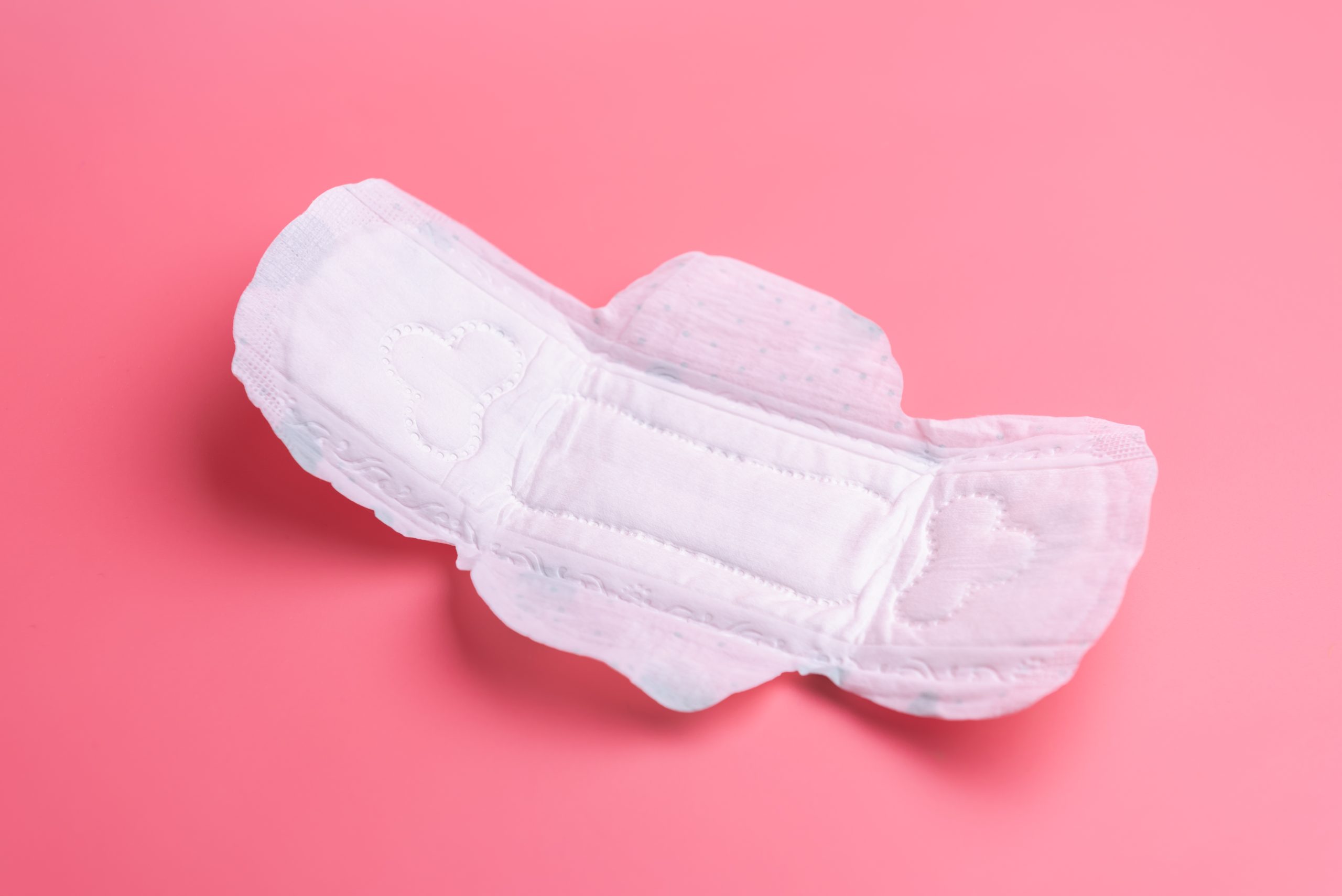
Pakistan ends luxury tax on menstrual – In a significant shift for women’s health in Pakistan, the government has announced the removal of sales tax on menstrual products and contraceptive items, reducing the tax rate from 18% to 0% in the upcoming fiscal year. This change, which will take effect on July 1, marks a pivotal moment in the nation’s approach to reproductive health accessibility, though its impact on affordability remains to be seen.
A Long-Standing Burden on Women
For years, sanitary napkins and similar menstrual supplies have been classified as “luxury goods” by Pakistan’s tax authorities, leading to higher costs that many women could not afford. A 2025 UNICEF report highlighted that only approximately one in ten girls and women in the country use commercially produced menstrual products, underscoring the financial strain imposed by the tax. This classification has not only made essential hygiene items expensive but also perpetuated a culture of exclusion, particularly for those in lower-income brackets.
The decision to abolish the sales tax follows sustained advocacy by activists who campaigned tirelessly to challenge the policy. Their efforts, which included a high-profile legal battle and media coverage, played a crucial role in pushing the government to reconsider its stance. Mahnoor Omer, a human rights lawyer based in Islamabad and the lead petitioner in a September 2025 lawsuit, expressed optimism about the outcome. “We’re very happy with this news,” she said, emphasizing that the move has garnered widespread support from both genders.
Omer noted that the government’s response was unusually swift, taking less than a year to act after the lawsuit was filed. “It’s less than a year, which is unprecedented,” she remarked, highlighting the slow pace of legislative changes and judicial processes in the past. While this speed is commendable, she acknowledged that more work is needed to ensure menstrual products are accessible to all women, particularly in rural areas where other taxes, such as import duties, still contribute to a cumulative cost of about 20%.
Global Precedents and Local Challenges
Pakistan is joining a growing list of nations that have taken steps to reduce or eliminate taxes on menstrual products. Countries like Malawi, India, and Nepal have already implemented similar measures in the past decade, showing that such changes can have a positive effect on affordability. However, activists caution that tax cuts alone may not be enough to bring down prices significantly, citing past examples where the removal of taxes failed to impact consumer costs.
Emily Cruz, a menstrual health advocate with the nonprofit Splash, pointed out the case of Malawi as a cautionary tale. “They removed all the taxes on menstrual items, but the price to consumers stayed the same,” Cruz explained in an earlier NPR interview. This raises questions about the mechanisms that determine final pricing, even after taxes are removed. Cruz suggests that additional policies, such as subsidies or regulations on retailer markups, might be necessary to ensure affordability.
While the tax change is a positive development, it does not address the broader socio-cultural barriers women face. Omer emphasized that the cost of menstrual products is just one aspect of the issue. “You can reduce the tax, but that doesn’t automatically reduce the stigma,” she said. This sentiment is echoed by other activists who highlight the deeply rooted societal attitudes toward menstruation, which often lead to shame and discrimination.
Stories of Struggle and Progress
One such story comes from Bushra Mahnoor, a Pakistani activist who recalls the difficulties she faced as a teenager. “When I knew I might not have a pad and had to rely on a cloth, those were the times I could not even imagine going to school,” Mahnoor recounted. In her experience, the lack of access to menstrual products made attending school a source of anxiety, as the mention of menstruation itself was a taboo. “Mentioning that you were on your period without access to a pad was just even more humiliating,” she added, illustrating the emotional toll of the policy.
These personal accounts underscore the importance of the tax removal in alleviating some of the economic pressures associated with menstruation. However, Omer stresses that the fight is far from over. “This move has inspired me to take more action,” she said, noting that the change serves as a catalyst for further progress. She envisions a future where schools and awareness campaigns play a key role in educating communities about reproductive health, ensuring that stigma is addressed alongside financial barriers.
The removal of the sales tax is a symbolic victory, but the real test will be in how it translates to lower prices for women. While the government has taken a step in the right direction, activists like Omer and Cruz remain vigilant. “There is more work to do to enable women to afford these products,” Omer said, emphasizing that the battle for accessibility requires a multifaceted approach. This includes not only tax reforms but also targeted subsidies, public education, and the elimination of other indirect costs that may still hinder affordability.
Looking Ahead: A New Chapter for Women’s Health
The new budget announcement signals a shift in policy, but its long-term success will depend on continued advocacy and monitoring. Omer plans to track price changes in the coming months to assess the effectiveness of the tax cut. She also hopes to see the government extend its support to other areas, such as improving access to healthcare services and integrating menstrual health education into school curricula. “The cost of these items isn’t the only issue,” she said, highlighting the need for a comprehensive strategy to empower women.
As the tax is officially removed on July 1, the focus will shift to measuring its impact on women’s lives. While the immediate effect may be a reduction in the price of menstrual products, the broader implications—such as increased participation in education and the workforce—could take time to materialize. For now, the move represents a small but meaningful victory in the ongoing struggle for women’s rights and health equity in Pakistan.
With the luxury tax eliminated, the hope is that more women will have access to the products they need to manage their periods with dignity and ease. However, the journey toward full accessibility is far from complete. Activists remain committed to ensuring that this change translates into tangible benefits, not just symbolic gestures. As Omer put it, “This is just the beginning of a longer process, but it’s a critical step in the right direction.”