Ukraine Launches Coordinated Drone Strikes on Moscow and Other Russian Targets
Ukraine hits a Moscow oil refinery – Early Thursday, Ukraine unleashed a series of coordinated drone attacks on Russian territory, with a significant portion of the strikes directed at Moscow. This marks one of the most substantial assaults on the Russian capital since the Kremlin initiated its invasion of Ukraine over four years ago. The attacks, which targeted multiple sites, have intensified the already volatile dynamics of the ongoing conflict, signaling a shift in the tactics used by Ukraine to pressure Russia.
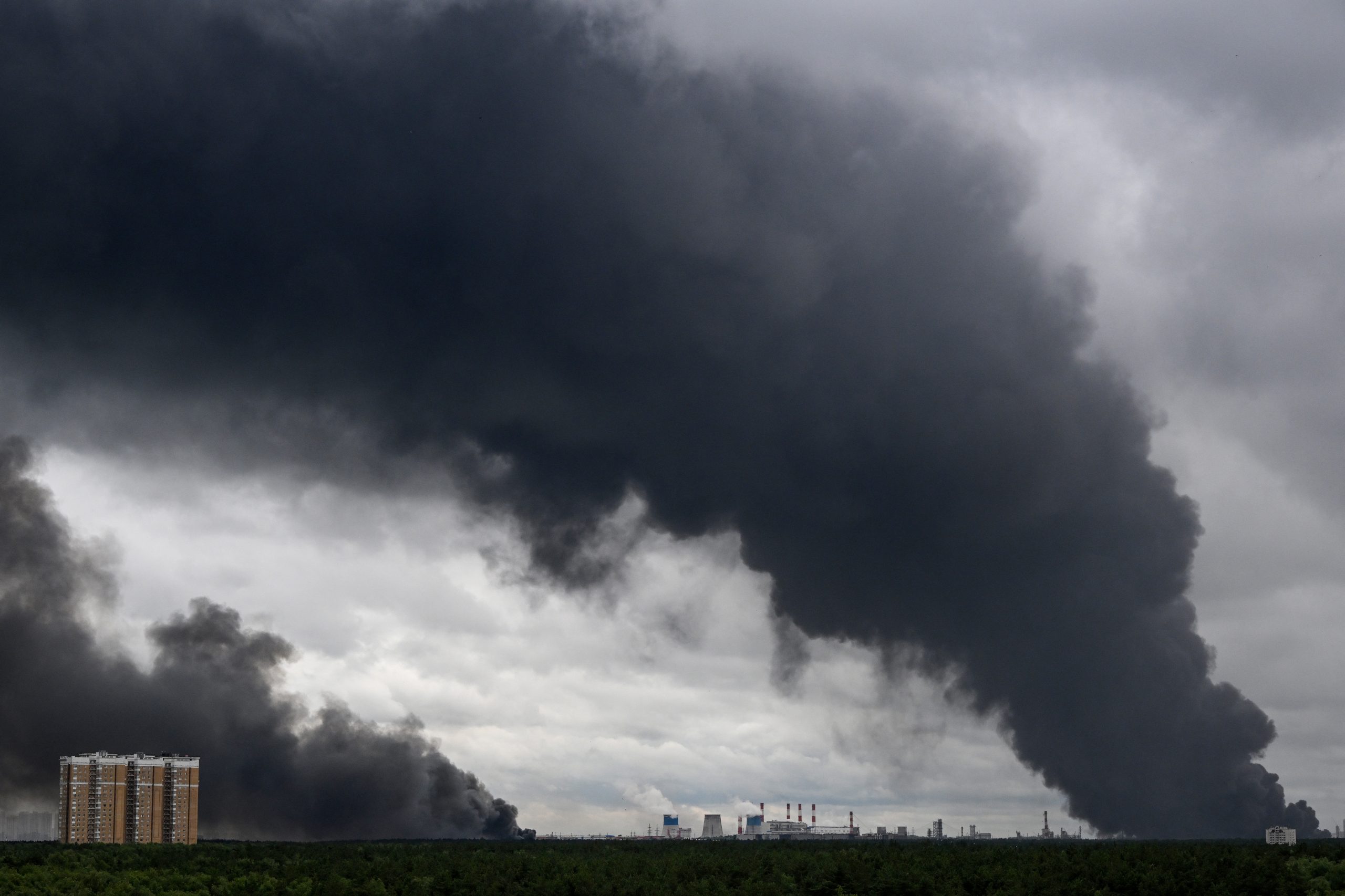
Moscow’s mayor, Sergei Sobyanin, reported that Russian air defenses neutralized nearly 200 Ukrainian drones before they could reach the city. Despite this, several drones managed to penetrate the defenses and strike the capital’s primary oil refinery for the second time this week. The impact was dramatic, with the facility engulfed in massive flames and debris scattered across the area. Video footage shared on social media platforms showed the explosions in slow motion, highlighting the precision and devastation of the strikes.
Among the most striking visuals were clips of a drone explosion that sent the top of a spherical oil tank soaring into the air. The scene, while real, bore an uncanny resemblance to the special effects of a Hollywood blockbuster, drawing comparisons from viewers. The attacks have not only disrupted critical infrastructure but also heightened public outrage in Russia, as citizens grapple with the escalating toll on their country’s resources.
The Russian military’s defensive efforts appeared to play a role in some of the damage. One intercepted drone crashed into a shopping complex in southeast Moscow, igniting a fire that consumed the building. Another drone struck a high-rise residential tower, leaving the exact target of the attack uncertain. Some analysts suggest the strikes may have been a combination of deliberate targeting and collateral damage from Russian air defenses. Regardless, the incident underscored the unpredictability of the conflict and the potential for widespread disruption.
According to official reports, 17 individuals were injured as a result of the attacks. The city’s skyline was dominated by thick plumes of black smoke for hours, with all four of Moscow’s airports temporarily halting operations. The disruption to infrastructure and daily life has sparked concerns about the long-term effects on Russia’s ability to sustain its military campaigns.
Hours after the attack, Russian President Vladimir Putin remained silent, with no immediate statement released from the Kremlin. Putin was reportedly in Kazan, hosting a regional Asian summit, and had not yet returned to Moscow. This absence has left some questions about the Kremlin’s response strategy, as the attacks occurred just days after a lull in direct diplomatic talks between the U.S. and Russia.
“What else has to happen? What else needs to happen before we start fighting for real?”
Konstantin Malofeev, a prominent businessman backing the nationalist news outlet Tsargrad, voiced frustration over the attack, arguing it exposes the Kremlin’s claims of control over its “special military operation” in Ukraine as fragile. His remarks reflect growing skepticism among hard-line nationalists about Russia’s ability to maintain its narrative of dominance in the war.
The drone assault is part of a broader pattern of Ukrainian strikes on Russian energy infrastructure. In recent months, Ukraine has consistently targeted oil and gas facilities, aiming to weaken Russia’s economic foundation while drawing attention to the human cost of the war. These attacks serve as a reminder of the strategic importance of energy resources in the conflict and the impact of such strikes on both fronts.
In a statement released online, Ukrainian President Volodymyr Zelenskyy framed the latest strikes as a “fully justified” response to the relentless Russian bombing of Ukrainian cities. He emphasized that the attacks were not only a tactical move but also a symbolic gesture to bring the war’s realities closer to Russian civilians. “It is time the war ended and Russia must take the necessary steps in diplomacy,” Zelenskyy wrote, underscoring the desire for a diplomatic resolution.
Meanwhile, Russia’s Defense Ministry retaliated by announcing “precision strikes” on Ukrainian defense and energy installations, framing the response as a necessary countermeasure. This tit-for-tat escalation highlights the ongoing cycle of retaliation between the two nations, with each side seeking to gain strategic advantage through targeted operations.
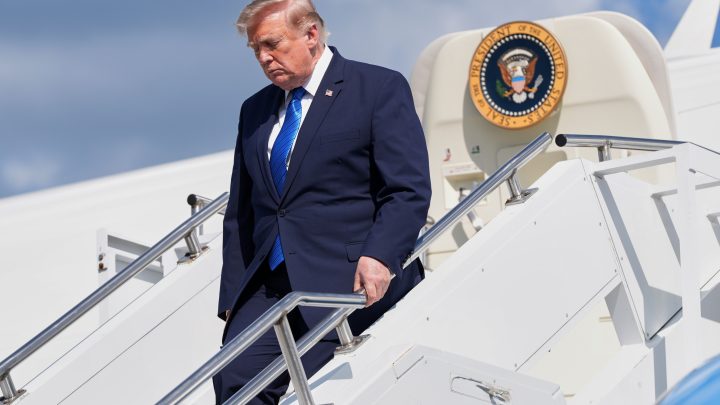
The situation has taken a new turn with President Trump’s recent interest in reengaging on the Ukraine issue. After months of inactivity, his potential return to the conflict has been fueled by the U.S.-Iran agreement to extend a ceasefire. This development could influence the balance of power, as Trump’s involvement is often seen as a key factor in shaping international support for Ukraine.
Kremlin advisor Yuri Ushakov hinted at the upcoming return of U.S. envoys Steve Wikoff and Jared Kushner, Trump’s son-in-law, to Moscow. The meeting, he suggested, might act as a “course corrective” for stalled negotiations. However, Ushakov also noted that Trump had been presented with “unhelpful if not harmful ideas” during the G7 summit in France, where European leaders emphasized Ukraine’s current advantage in the war.
The attacks have reignited discussions about the role of drone technology in modern warfare. With Ukraine’s ability to deploy these systems growing, the strikes on Moscow and other sites demonstrate a shift in the conflict’s geography and intensity. Analysts warn that such actions could pressure Russia into accelerating its military efforts or reconsider its strategic goals in the region.
As the smoke clears over Moscow, the impact of the drone strikes on both the physical and political landscape remains profound. The assault on the oil refinery has not only disrupted critical energy operations but also challenged the Kremlin’s narrative of control. With international tensions rising and the potential for renewed diplomatic engagement, the conflict continues to evolve, leaving the future of the war hanging in the balance.