Australian police uncover 3 tons of cocaine

Australian Police Unveil Largest Cocaine Seizure in Nation’s History
Australian police uncover 3 tons of cocaine – On Monday, Australian authorities announced a major breakthrough in the fight against drug trafficking, revealing the country’s largest-ever seizure of cocaine. The discovery was made on a property located on the outskirts of Sydney, where 2.7 metric tons—equivalent to 3 tons—of the drug was hidden in an intricate underground setup. This haul surpasses all previous records and highlights the growing sophistication of organized crime networks operating within the region.
Discovery Details
The cocaine was found on June 19, concealed in plastic tubs buried within a network of underground bunkers. These bunkers were located beneath three shipping containers at a semirural site in Londonderry, a suburb on Sydney’s western edge. According to the Queensland Joint Organized Crime Taskforce, the drug’s storage method was designed to evade detection, with false floors in the containers providing secret access to the stash.
“The scale of this operation is unprecedented, showcasing how criminals are adapting their tactics to remain undetected,” the taskforce stated in a recent release.
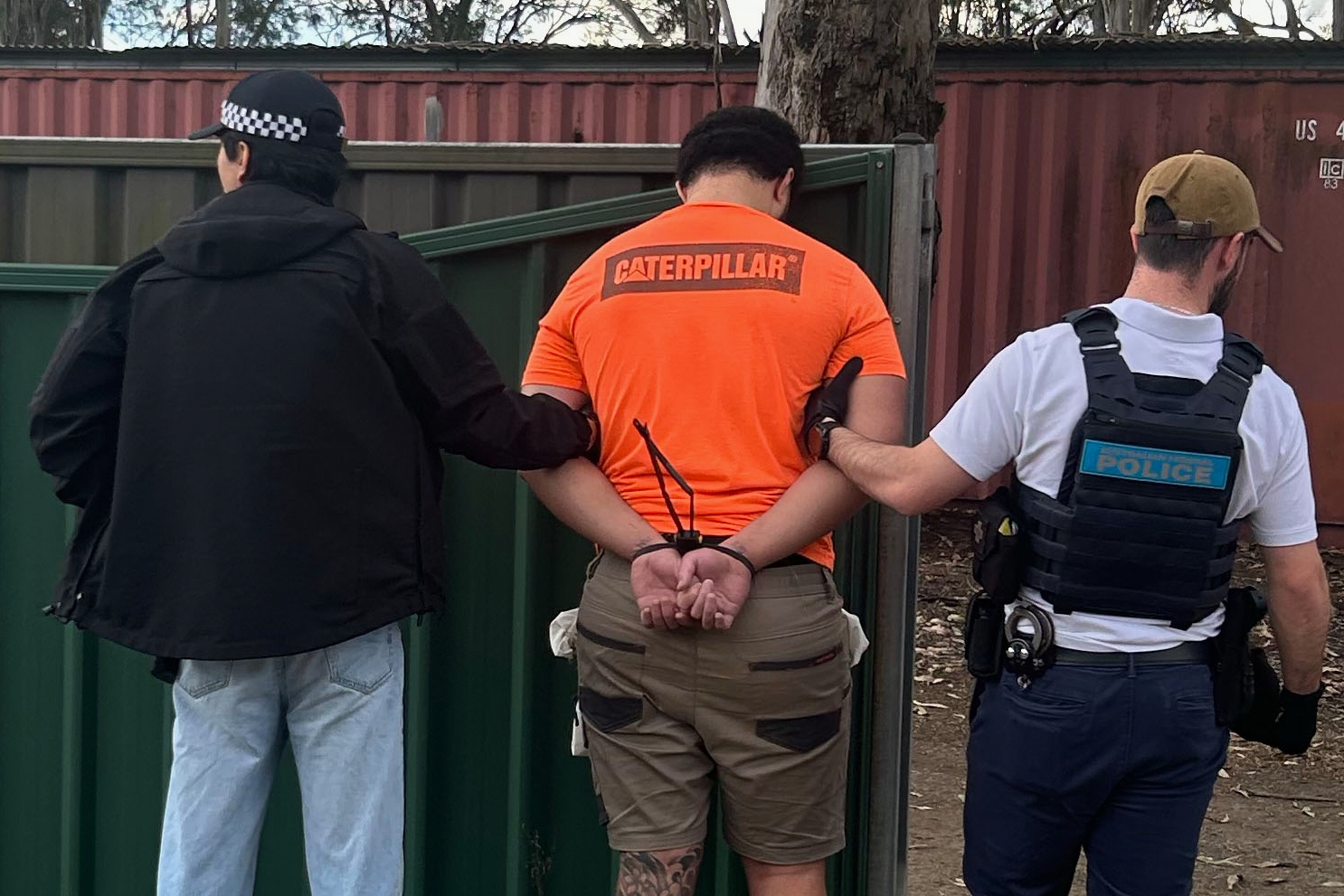
The estimated street value of the seized cocaine was 816 million Australian dollars, which is approximately 572 million U.S. dollars. This figure underscores the economic stakes for traffickers and the potential impact on local markets. Two residents of Sydney were arrested at the scene and charged with possession of a commercial quantity of illicit drugs. If convicted, they could face life imprisonment, reflecting the severity of the offense.
Previous Records
Before this seizure, Australia’s largest cocaine confiscation stood at 2.34 metric tons (2.58 tons), seized in 2024 from a fishing boat near K’gari, formerly known as Fraser Island, off the Queensland coast. The current find, however, has shattered that record, emphasizing a shift in smuggling strategies. Police believe the cocaine was transported by boat to Midge Point in Queensland’s remote tropical region before being moved by road to Sydney. The 1,800-kilometer (1,100-mile) journey highlights the coordination required across vast distances.
Smuggling Network Suspected
Investigators are examining whether the shipment was linked to the same mother ship used in a prior seizure of 178 kilograms (392 pounds) of cocaine in Queensland. That operation also uncovered 142 kilograms (313 pounds) of methamphetamine, with six individuals charged over the haul. Authorities suspect the mother ship could be the MV Wealth, a Belize-flagged cargo vessel that was seized in the Solomon Islands on suspicion of involvement in transnational organized crime.
“The MV Wealth appears to be a central hub in this trafficking operation, connecting remote coastal areas to major urban centers,” a police spokesperson noted.
The Solomons, situated 2,000 kilometers (1,200 miles) northeast of Queensland, serve as a strategic location for drug trafficking routes. Their proximity to the Indonesian archipelago and the vast Pacific Ocean makes them an ideal staging ground for smuggling activities. The connection between the Solomons and the current seizure suggests a broader network spanning multiple regions.
Geographic and Economic Context
Australia’s demand for cocaine has grown significantly, with residents paying some of the world’s highest prices for the drug. This lucrative market has attracted traffickers seeking to capitalize on the country’s wealth and high consumption rates. The current seizure, located in Sydney—a major urban center and the capital of New South Wales—demonstrates how criminal organizations are targeting key transportation hubs to distribute their goods.
The operation underscores the evolving methods of drug smuggling, with traffickers employing complex concealment techniques to bypass checkpoints. The use of underground bunkers beneath shipping containers represents a departure from traditional methods, indicating a more calculated approach to evading law enforcement. Such innovations challenge authorities to enhance their surveillance and detection capabilities.
Expert Insight on Drug Trade Trends
Australian Federal Police Commander Stephen Jay commented on the increasing trend of organized crime groups leveraging Queensland’s extensive 13,000-kilometer (8,000-mile) coastline for smuggling operations. “Criminals are exploiting the region’s natural geography and strategic ports to move drugs undetected,” Jay stated. This pattern suggests a long-term strategy to establish supply chains that connect distant islands to mainland cities.
The scale of the current seizure, combined with the previous one involving methamphetamine, points to a diversified approach by traffickers. By targeting multiple drug types and locations, they are not only expanding their reach but also increasing the difficulty of intercepting their operations. Police now face the task of unraveling this network, which may involve international cooperation and advanced investigative techniques.
Implications for Future Operations
The discovery in Sydney has prompted a reevaluation of anti-drug strategies across Australia. With cocaine valued at over 800 million dollars, the financial incentives for trafficking are immense, making it a prime target for criminal enterprises. This case also highlights the need for cross-border collaboration, as the MV Wealth’s involvement in the Solomons suggests a regional approach to combating the trade.
Authorities are now focusing on dismantling the suspected groups responsible for the shipment. The arrests of the two Sydney residents, along with the charges against others linked to the prior cocaine and methamphetamine hauls, indicate a multi-pronged effort to disrupt trafficking routes. As the investigation continues, officials remain vigilant about the potential for further large-scale seizures.
This milestone in Australian law enforcement not only showcases the effectiveness of coordinated efforts but also serves as a warning of the challenges ahead. The combination of advanced concealment methods, strategic geographic routes, and the high profitability of the drug trade means that the fight against cocaine smuggling will require sustained focus and innovation. As the nation grapples with this issue, the latest seizure stands as a testament to the resilience of its criminal networks and the determination of its law enforcement agencies to counter them.