2 major earthquakes strike northern Venezuela, near Caracas

Two Powerful Earthquakes Occur in Northern Venezuela, Near Caracas
Back-to-Back Quakes Shake the Region
2 major earthquakes strike northern Venezuela – On Wednesday, two significant earthquakes struck northern Venezuela, causing widespread destruction near Caracas. The first tremor, a 7.2-magnitude foreshock, occurred around 6 p.m. Eastern time, followed by a 7.5-magnitude mainshock less than a minute later. According to the U.S. Geological Survey (USGS), both events originated from a narrow seismic zone, with epicenters estimated to be approximately three miles apart. This proximity has raised concerns among experts about the challenges of accurately measuring such events.
Seismic Zone and Geographical Context
The epicenters were located near the town of Morón on Venezuela’s Caribbean coast, about 100 miles west of the capital. This region, while not historically known for frequent large quakes, lies along a tectonic boundary where the South American and Caribbean plates interact. The USGS noted that the tremors were likely the result of stress release along this fault line.
Expert Analysis on Measuring the Quakes
Paul Earle, a USGS seismologist, explained the complexities of analyzing closely spaced earthquakes. “When the earthquakes are this close together in time,” he said, “it can be difficult to unravel the exact magnitudes and locations, especially for the second event, due to the way signals overlap on seismograms.” This overlap makes it challenging to differentiate between the two quakes, potentially affecting the precision of their measurements. The USGS has since confirmed the magnitudes, but the rapid succession of events has left scientists puzzled about the full extent of their impact.
Visual Evidence of Damage
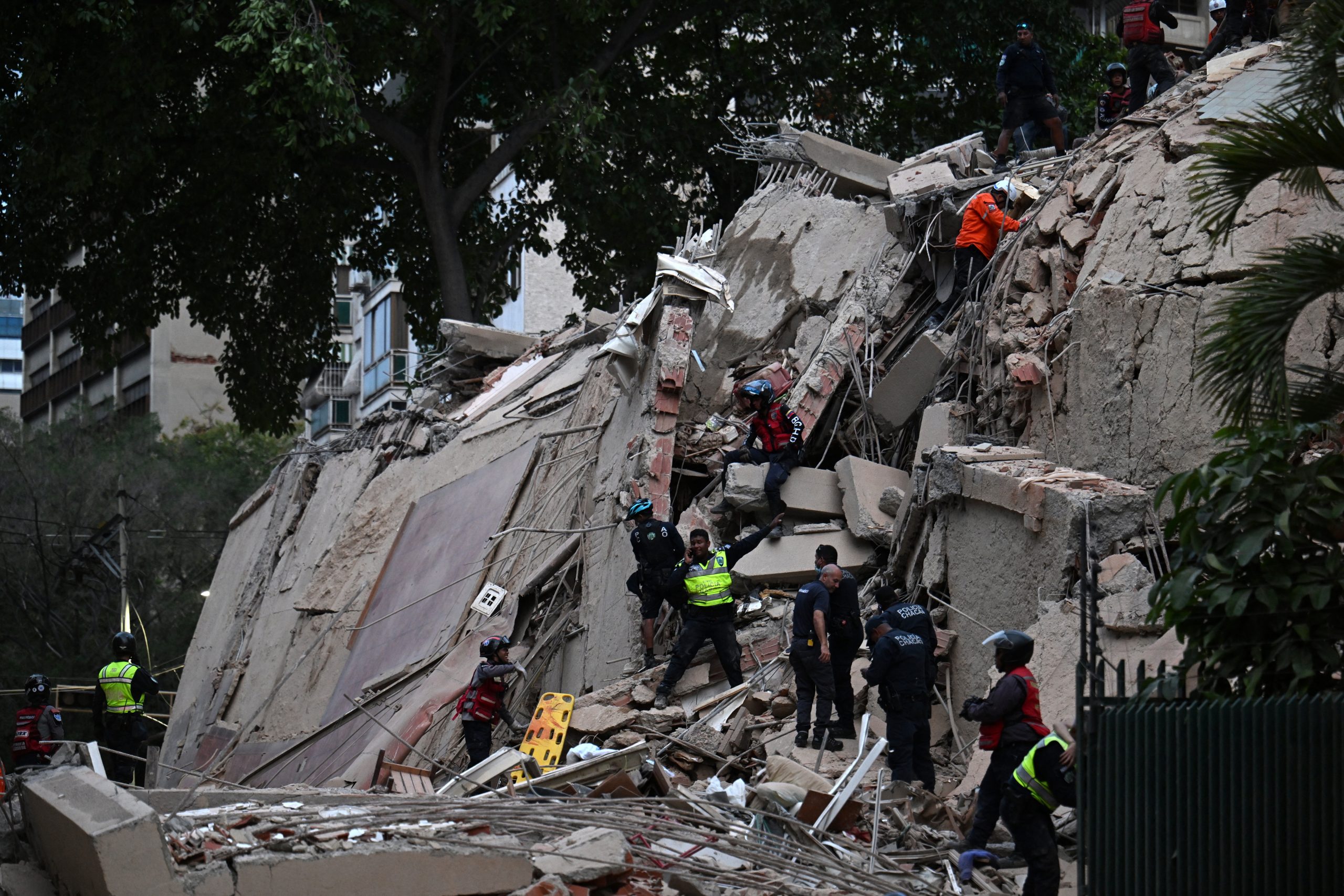
Footage shared on social media platforms revealed the devastation caused by the quakes. Buildings were reduced to rubble, and debris from collapsed structures littered the streets. At Simón Bolívar International Airport in Caracas, falling concrete and structural failures forced authorities to shut the facility. Witnesses described scenes of chaos, with people scrambling to find safety and vehicles overturned in the wake of the tremors. The immediate aftermath has left communities in northern Venezuela grappling with the aftermath of the disaster.
Projected Casualties and Economic Toll
Initial assessments by the USGS suggest the potential for severe consequences. Modeling conducted on Wednesday evening indicated that the 7.5-magnitude quake could result in thousands to tens of thousands of fatalities, with economic losses projected to reach billions or tens of billions of dollars. Earle emphasized the rarity of such events, noting, “This doesn’t happen very often. When they’re right together, it’s hard to understand what would happen.” The scale of the disaster has raised alarms about the resilience of infrastructure in the area.
Historical Perspective and Future Risks
The 7.5-magnitude quake marks the strongest seismic event in Venezuela since 1900, when a 7.7-magnitude tremor hit the country. While the 1900 quake was more powerful, the recent events have highlighted the vulnerability of the region. USGS forecasts indicate a 40% probability of another earthquake of magnitude 6 or higher within the next week, with an “almost certainty” of at least a 5.0-magnitude event. These predictions underscore the ongoing risk of further seismic activity in the area, prompting emergency preparedness measures.
Additional Seismic Events Around the Globe
While Venezuela faced the brunt of the quakes, other parts of the world also experienced tremors. Approximately half an hour after the Venezuelan events, a 6.9-magnitude earthquake struck the east coast of Japan, and earlier that day, a 5.6-magnitude quake rattled Northern California. However, neither of these quakes caused major damage. The timing of the global seismic activity has led to speculation about whether they are related, though experts have not confirmed any direct connection.
Tsunami Warnings Recalled
Following the initial earthquakes, tsunami warnings were issued for Puerto Rico and the Virgin Islands. However, these alerts were later recalled after assessing the risk levels. As of Wednesday night, no tsunami advisories were in effect, though the USGS continues to monitor the situation for any potential secondary effects. The timely recall of warnings has provided some relief to coastal communities, but the risk of future tremors remains a pressing concern.
Government Response and Public Safety
Venezuela’s acting president, Delcy Rodríguez, declared a state of emergency on Wednesday evening, citing damage to several states in the region. The declaration includes efforts to mobilize resources for rescue operations and to assess the structural integrity of critical infrastructure. Rodríguez also called for unity and urged citizens to remain calm, emphasizing the need for collective action in the face of the disaster. Local authorities are working to provide aid, but the scale of the damage has complicated response efforts.
Community Resilience and Recovery Efforts
As the dust settles, the focus is shifting to recovery and rebuilding. In the days following the quakes, teams are assessing the extent of damage to residential areas, commercial hubs, and transportation networks. The collapse of buildings has left families displaced and businesses shuttered. International aid organizations are monitoring the situation to determine if assistance will be needed. Meanwhile, residents are adapting to the new normal, with many expressing hope for a swift recovery despite the challenges posed by the disaster.
Ongoing Seismic Activity and Preparedness
The recent earthquakes have served as a reminder of the unpredictable nature of seismic events. While the immediate danger has subsided, the risk of aftershocks persists. Scientists warn that the region may experience a series of smaller tremors in the coming days, each capable of exacerbating existing damage. This has prompted a renewed emphasis on earthquake preparedness, with officials encouraging residents to reinforce homes and follow safety protocols. The experience has also sparked discussions about the need for better early warning systems and resilient infrastructure in Venezuela.
Global Implications and Regional Significance
Though the quakes in Venezuela are the most impactful, they have drawn attention to the broader seismic patterns affecting the globe. The simultaneous occurrence of events in different regions highlights the interconnectedness of tectonic activity. In Venezuela, the focus remains on the Caribbean coast, where the quakes have underscored the importance of geological studies. As the country rebuilds, the lessons learned from this disaster will likely shape future policies on disaster management and urban planning. The resilience of the Venezuelan people, despite the devastation, remains a key factor in the recovery process.
Conclusion and Outlook
As the days pass, the full magnitude of the earthquakes’ impact will become clearer. The initial reports of thousands of casualties and billions in economic losses serve as a stark reminder of the power of nature. For now, the twin quakes have shaken the region, leaving a trail of destruction and a renewed sense of urgency. The USGS’s ongoing monitoring, combined with the government’s emergency measures, offers a glimmer of hope. While the immediate crisis continues, the collective response from communities and authorities will play a critical role in shaping the path to recovery.