Photos: See Venezuela destruction after earthquakes

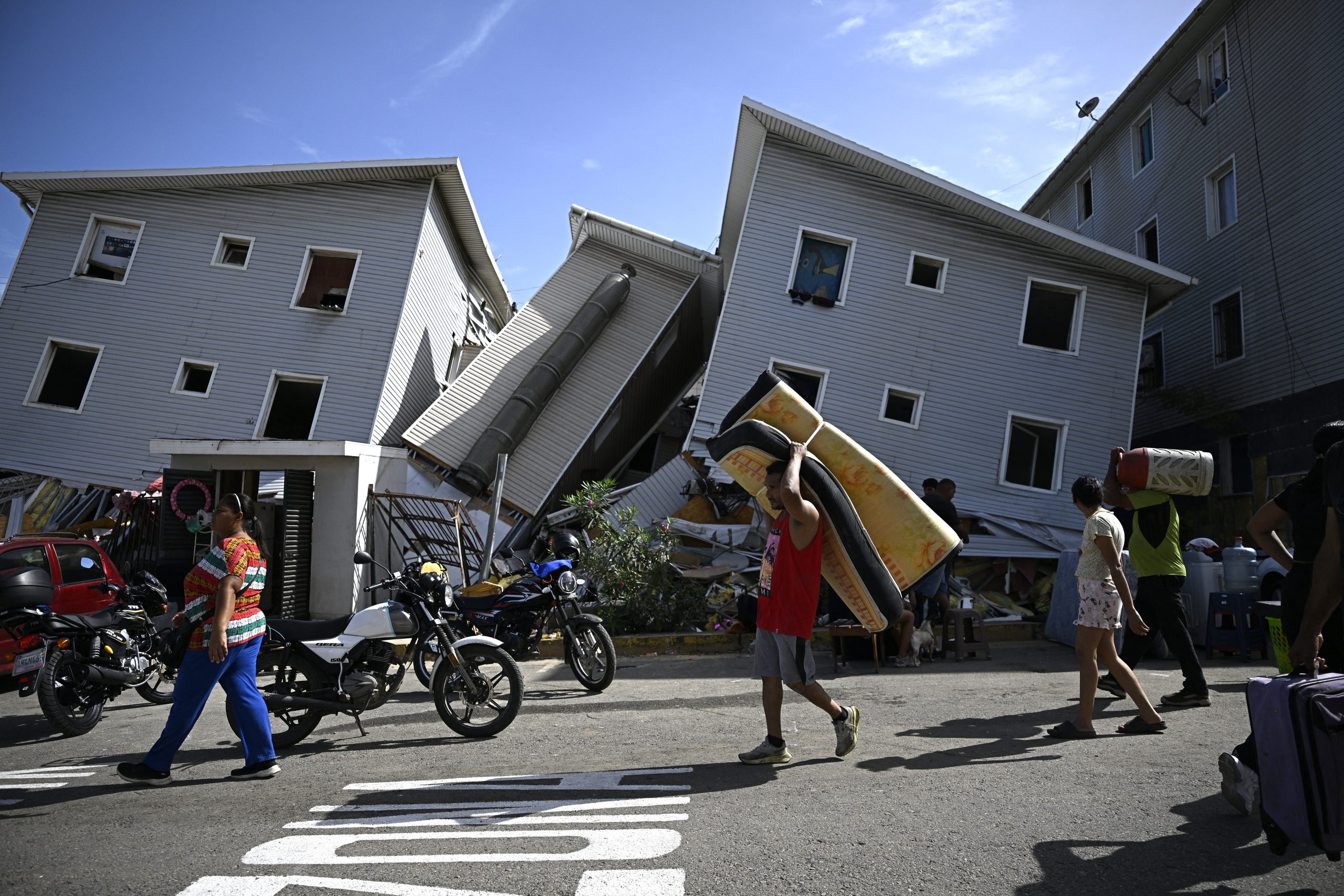
Photos: See Venezuela Destruction After Earthquakes
Photos – Two powerful tremors shook Venezuela late last night, unleashing chaos in the region and leaving a trail of devastation across its urban landscapes. The first quake struck just before midnight, followed by a second one minutes later, with both registering magnitudes that surpassed previous records. The epicenter, located west of Caracas, sent shockwaves rippling through the densely populated western part of the country, where the damage was most severe. Entire neighborhoods were reduced to rubble, and infrastructure crumbled under the force of the quakes, leaving residents grappling with the aftermath of what could be the nation’s most catastrophic natural disaster in over a century.
Aftershocks and Immediate Response
Emergency teams scrambled to action as the ground trembled, with search and rescue crews working tirelessly to extract survivors from the debris. The second earthquake, which struck less than a minute after the first, intensified the crisis, forcing officials to prioritize safety protocols amid the ongoing destruction. Communication networks were disrupted, and roads were blocked by collapsed structures, complicating efforts to reach affected areas. Despite these challenges, helicopters and ground teams continued their operations, with hopes of rescuing more individuals trapped in the ruins.
“At least 164 lives have been lost, and the search for survivors is ongoing,” stated a spokesperson for the National Guard, highlighting the urgency of the situation.
Initial reports indicated that the destruction was widespread, with buildings, schools, and hospitals suffering major structural failures. In Caracas, the capital, the city’s historic districts bore the brunt of the quakes, as older infrastructure proved less resilient to the seismic activity. The tremors also damaged power lines, water systems, and transportation hubs, creating a domino effect that disrupted daily life for thousands. Officials warned that the true scale of the disaster might not be fully understood until the debris is cleared and assessments are completed.
State of Emergency and Leadership
Acting President Delcy Rodriguez swiftly declared a state of emergency following the quakes, urging citizens to remain vigilant for aftershocks and to follow evacuation guidelines. “This is a moment of great peril, and we must act with speed and unity to protect our people,” she said in a televised address. The declaration activated emergency resources, including medical teams, food supplies, and temporary shelters, as the government mobilized to provide aid to the affected population.
Rodriguez’s announcement came as the country’s resilience was tested, with communities in the western regions facing unprecedented challenges. The quakes disrupted not only physical structures but also the social fabric, as families were separated and businesses halted. In the hours following the tremors, relief efforts focused on rescuing the injured and stabilizing critical facilities, with volunteers and international partners offering support. The United Nations and neighboring countries were reported to be coordinating with Venezuelan authorities to assess the damage and distribute essential supplies.
Scope of the Disaster
The earthquakes, which registered at 7.1 and 7.3 on the Richter scale, were the strongest to hit Venezuela in over a century. Seismologists noted that the fault lines responsible for the quakes were previously dormant, making the event a rare and alarming occurrence. The western part of the country, home to Caracas and surrounding cities, is known for its high population density and rapid urbanization, which likely exacerbated the destruction. Many buildings in the area were constructed without strict adherence to seismic safety standards, leaving them vulnerable to collapse.
In the aftermath, images from the affected regions painted a grim picture of the devastation. Collapsed buildings lay in heaps of concrete and steel, with streets littered with broken glass and debris. Power outages plunged entire neighborhoods into darkness, while water shortages threatened to compound the crisis. The National Guard and local volunteers worked side by side, using manual tools and technology to locate survivors in the rubble. “We’re doing everything possible to save lives,” said a rescue worker, who described the emotional toll of the operation as families waited anxiously for news of their loved ones.
Human Toll and Recovery Efforts
The death toll, currently standing at 164, is expected to rise as more bodies are recovered from the wreckage. Hospitals in Caracas and nearby cities reported a surge in patients, many of whom sustained injuries from falling debris or structural collapses. The number of people missing remains unknown, with search teams working around the clock to locate survivors in the rubble. Rescue operations are also focusing on salvaging critical supplies, such as food, water, and medical equipment, from damaged storage facilities.
As the situation unfolded, officials emphasized the importance of community solidarity in the face of adversity. “The people of Venezuela have shown incredible strength, and their cooperation is vital to our recovery,” said Rodriguez during her address. She announced the deployment of additional resources, including military personnel and specialized equipment, to assist in the search and relief efforts. Meanwhile, social media platforms were flooded with images and videos capturing the destruction, drawing international attention to the crisis. The photographs, shared by citizens and news outlets, underscored the severity of the disaster and the need for urgent humanitarian aid.
Long-Term Implications
While the immediate focus remains on rescue operations, experts are already analyzing the long-term consequences of the earthquakes. The collapse of infrastructure has raised concerns about the country’s preparedness for natural disasters, with calls for improved building codes and emergency response systems. “This disaster has exposed vulnerabilities in our urban planning,” remarked a geologist interviewed by local media. “We must invest in resilient structures and early warning systems to prevent future tragedies.”
The earthquakes also prompted discussions about the economic impact, as the destruction threatens to disrupt key industries, including oil production and transportation. Venezuela’s oil sector, which is central to its economy, faced delays due to damaged pipelines and refineries. In the wake of the disaster, international organizations and neighboring countries are expected to play a significant role in the recovery process, offering both financial assistance and technical expertise. For now, the people of Venezuela are focused on survival, as the nation rebuilds from the ground up.
As the dust settles and the full extent of the damage becomes clearer, the story of resilience in Venezuela continues to unfold. The country’s ability to respond to the crisis will be a testament to its people’s determination and the strength of its institutions. In the days ahead, the focus will shift from rescue efforts to rebuilding efforts, with officials and communities working hand in hand to restore normalcy. The images of destruction serve as a reminder of the fragility of human progress in the face of nature’s fury, but they also highlight the enduring spirit of a nation that refuses to yield to adversity.