WHO chief lands in Congo to address rare Ebola outbreak amid distrust and insecurity

WHO Director Visits Congo to Tackle Unprecedented Ebola Crisis Amid Distrust and Conflict
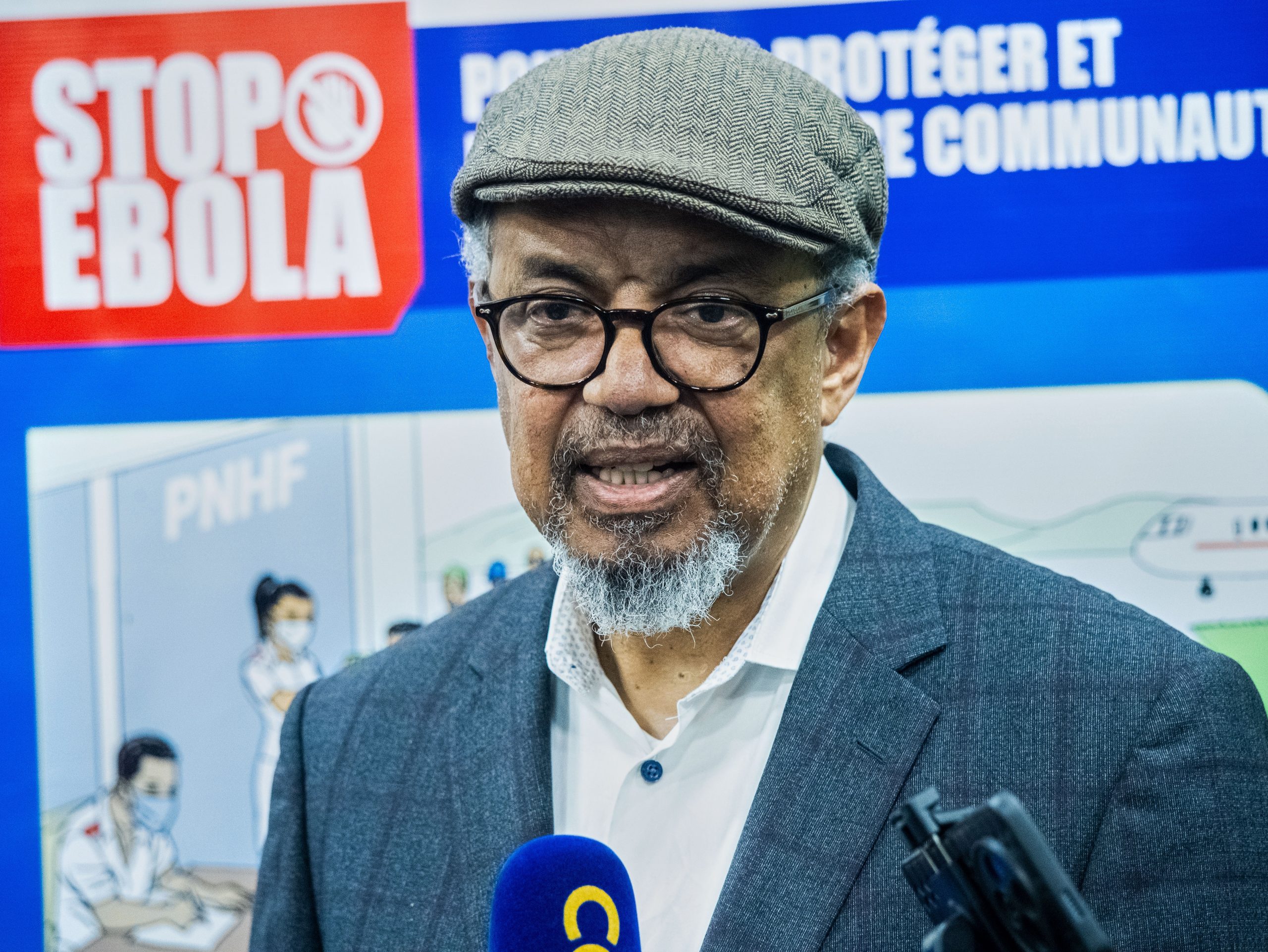
WHO chief lands in Congo to address – Kinshasa, Congo — The head of the World Health Organization (WHO) arrived in the capital city of Kinshasa on Thursday evening to evaluate the response to a rare Ebola outbreak. This visit comes at a critical time as medical teams battle limited resources, community skepticism, and the presence of armed groups in a region marked by political instability.
Aid and Global Support
On the same day, the European Union sent emergency medical supplies to Ituri province, the epicenter of the outbreak. The United States followed suit, pledging an additional $80 million in aid, raising its overall contribution to over $112 million. These international efforts aim to bolster local capacities, but challenges persist in a setting where trust is fragile and security is tenuous.
“To come here is to really show to the community that they’re not alone,” WHO Director-General Tedros Adhanom Ghebreyesus said at the airport. “Pushing orders from my comfortable office in Geneva is easy, but I’m asking my colleagues to work with the community and I am asking communities to protect themselves.”
The Bundibugyo Strain
Health workers, operating with meager equipment, are struggling to manage the Bundibugyo variant of the Ebola virus, a strain with no approved treatment or vaccine. In some areas, medical staff have resorted to using expired masks to treat suspected patients, highlighting the dire conditions on the ground. The strain has been spreading rapidly, compounding the already complex situation.
As of Tuesday, the WHO reported 1,077 suspected cases and 238 confirmed fatalities in the outbreak. The numbers underscore the gravity of the crisis, which has placed immense pressure on local healthcare systems. With limited access to advanced medical tools and consistent supplies, containment efforts face significant hurdles.
Community Resistance and Distrust
The threat to medical personnel has intensified due to local frustration with strict protocols for handling the bodies of victims. These procedures, which require cremation or burial in specific ways, clash with traditional customs, leading to protests and at least three attacks on health centers. Residents, feeling alienated by the measures, have taken matters into their own hands, endangering both staff and patients.
Tedros emphasized that these challenges are not isolated. “Other factors, such as the mass displacement of civilians due to ongoing conflicts and widespread food shortages, are complicating containment,” he stated. The region’s instability has created a perfect storm, where health crises and humanitarian disasters intersect.
Conflict and Humanitarian Crisis
Ituri province, located in Congo’s northeastern region near the Ugandan border, has been a hotspot for violence. The Allied Democratic Force (ADF), a rebel group linked to the Islamic State, along with ethnic militias, has conducted frequent attacks. In early May, the ADF killed at least 40 people and burned several homes, further destabilizing the area.
The conflict has displaced millions, with at least 7 million people forced from their homes in eastern Congo. Goma’s main airport, a vital artery for humanitarian aid, has been closed since January 2025 after the M23 rebel group took control of the city. This closure has hampered the delivery of critical supplies and slowed response efforts.
International Response and Travel Restrictions
As the situation escalates, global leaders have taken steps to prevent the virus from spreading further. The Trump administration announced a temporary ban on individuals without U.S. passports or green-card holders who have visited Congo, Uganda, or South Sudan in the past 21 days. It also revealed plans to send Americans exposed to Ebola to a new facility in