
Abu Dhabi is ‘doubling down’ on tourism despite Iran war
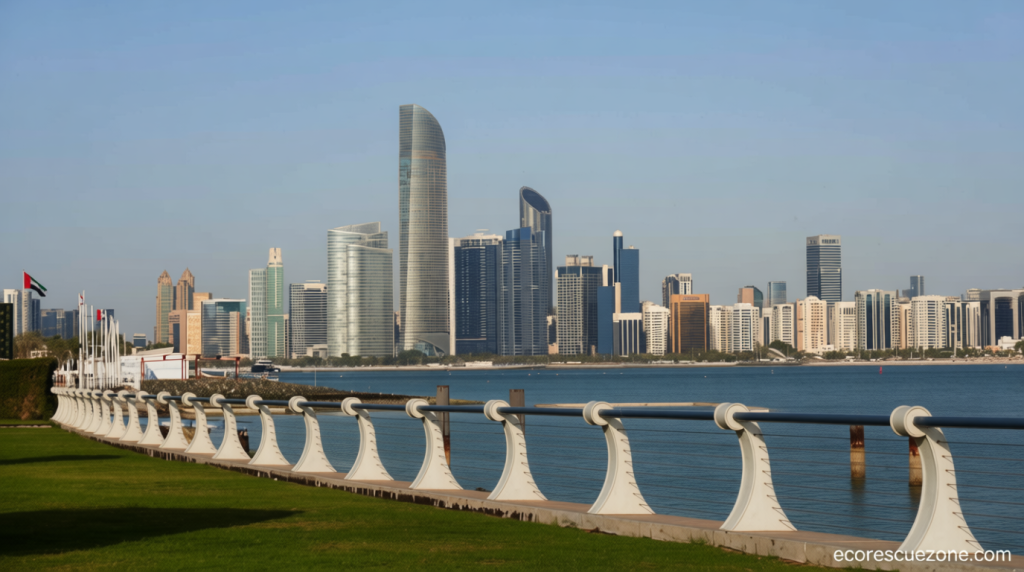
Abu Dhabi’s Bold Tourism Push Amid Iran Conflict
Abu Dhabi is doubling down on tourism – Despite the ongoing Iran war and its ripple effects across global markets, Abu Dhabi continues to expand its tourism ambitions. The United Arab Emirates, already a key player in the Middle Eastern travel sector, has faced direct challenges from missile and drone strikes, which have disrupted its position as a glamorous destination for international visitors. Yet, the emirate remains undeterred, announcing a major investment of $1.7 billion to develop a new immersive experience center. This project, part of a broader effort to strengthen its tourism ecosystem, underscores Abu Dhabi’s resolve to grow its appeal as a premier travel spot.
The Sphere Project: A New Frontier
The Sphere Entertainment Co., a US-based firm, is set to operate this ambitious facility. The first Sphere opened in Las Vegas in 2023, hosting high-profile concerts by U2 and Phish, and now Abu Dhabi aims to replicate its success. The project is expected to be completed by 2029, positioning Yas Island as a hub for cutting-edge entertainment. Mohamed Khalifa Al Mubarak, chairman of Abu Dhabi’s Department of Culture and Tourism (DCT), emphasized the initiative’s significance, stating in a recent interview with CNN’s Becky Anderson: “We are doubling down on our tourism ecosystem as a whole.”
The United Arab Emirates has long sought to reduce its reliance on oil revenues by investing heavily in cultural and leisure infrastructure. Abu Dhabi, in particular, has prioritized projects like the Saadiyat Island Cultural District, which houses an international branch of the Louvre. Additionally, a Guggenheim Museum outpost is nearing completion, further solidifying the city’s status as a global arts destination. These developments align with the UAE’s broader strategy to attract over 39.3 million visitors annually by 2030, a goal that has become even more critical in the wake of recent disruptions.
Challenges from the Conflict
The war between the US and Israel, which began in late February, has sparked retaliatory strikes from Iran, targeting UAE infrastructure. Drones have struck tourist sites, including airports, raising concerns about the emirate’s ability to maintain its reputation for safety. A recent attack near a nuclear facility, reported by the International Atomic Energy Agency, sparked fears of radiation risks, though authorities confirmed no radioactive material was released. The incident, however, highlighted the vulnerability of Abu Dhabi’s tourism sector to regional tensions.
Data from real estate provider CoStar reveals a sharp decline in hotel occupancy during the Eid al-Fitr holiday in mid-March. Occupancy rates dropped by 45% compared to the previous year, impacting revenue and visitor numbers. The war also triggered widespread flight cancellations, with many airlines hesitant to resume operations. Even after the UAE lifted airspace restrictions in early May, some carriers, like Germany’s Lufthansa, have delayed flights until late October. Despite these setbacks, Al Mubarak remains optimistic, noting that international travelers are beginning to return.
A Strategic Response
Abu Dhabi’s tourism authority has taken steps to reassure the public and restore confidence. The emirate’s flagship airline, Etihad, is currently operating at 80% capacity, indicating a gradual recovery. Meanwhile, the impact of the conflict on air travel is evident in flight data from Flightradar24. On February 27, the day before the war began, 250 flights arrived at Zayed International Airport, but by the end of this week, that number had fallen to around 200 daily flights. Such statistics reflect the uncertainty facing the region’s tourism industry.
Aaron Goldring, a senior economist at Oxford Economics, highlights the importance of safety perceptions for travelers. “Tourism is already a vital sector for them, but it’s also central to their future economic growth,” he said. The duration of the conflict will determine how quickly the UAE can rebuild its appeal, Goldring added. However, he acknowledges the country’s strong marketing strategies and financial commitment as assets in this endeavor. Abu Dhabi’s tourism strategy, launched in 2024, outlines billions in investments for infrastructure, including major attractions and promotional campaigns, to solidify its position in the global market.
Expert Insights and Regional Outlook
Industry experts suggest that while the conflict has caused short-term turbulence, its long-term effects on Abu Dhabi’s tourism goals may be limited. Nancy Gard McGehee, a professor at Virginia Tech specializing in hospitality and tourism, noted: “It’s a long game for the UAE and other Middle Eastern destinations. They are wealthy and have a sophisticated plan for growth.” This confidence is rooted in the UAE’s history of successful tourism development, which includes not only cultural landmarks but also strategic partnerships with international entertainment firms.
The Sphere project, first announced in October 2024, is a testament to Abu Dhabi’s commitment. James L. Dolan, CEO of Sphere Entertainment Co., stated in a press release: “Sphere Abu Dhabi will establish Yas Island as a destination in the region for immersive experiences, and we look forward to working with DCT Abu Dhabi to see this venue come to life.” The investment is seen as a clear signal of the emirate’s determination to thrive in the face of adversity.
With its focus on diversification and innovation, Abu Dhabi aims to maintain its edge in the competitive tourism landscape. While the war has introduced challenges, the emirate’s resilience and forward-thinking approach position it to recover and grow. As Al Mubarak put it, “Abu Dhabi is open, ambitious, and unwavering in its direction.” This mindset, combined with ongoing developments like the Guggenheim Museum and the Sphere, ensures the city remains a key player in the global tourism arena, even as regional conflicts continue to shape its path.
Abu Dhabi’s tourism sector is not just about attracting visitors—it’s about creating a lasting legacy. The Saadiyat Island Cultural District, for instance, is already a beacon of international collaboration, drawing art enthusiasts from around the world. The Guggenheim’s imminent opening will further enhance this cultural allure, while the Sphere promises to redefine entertainment experiences. These projects, along with others, are part of a comprehensive vision to make Abu Dhabi a destination that transcends mere leisure, offering a blend of history, modernity, and innovation.
As the conflict unfolds, the UAE’s ability to maintain its appeal will depend on its capacity to adapt and reassure. With the completion of the Sphere in 2029 and the continued development of cultural landmarks, Abu Dhabi is laying the groundwork for a robust tourism future. While the current challenges are significant, the emirate’s strategic investments and proactive measures suggest it is prepared to weather the storm and emerge stronger. The path ahead may be uncertain, but the commitment to growth remains steadfast.
