
A new Ebola outbreak is confirmed in a remote Congo province, with 65 deaths recorded
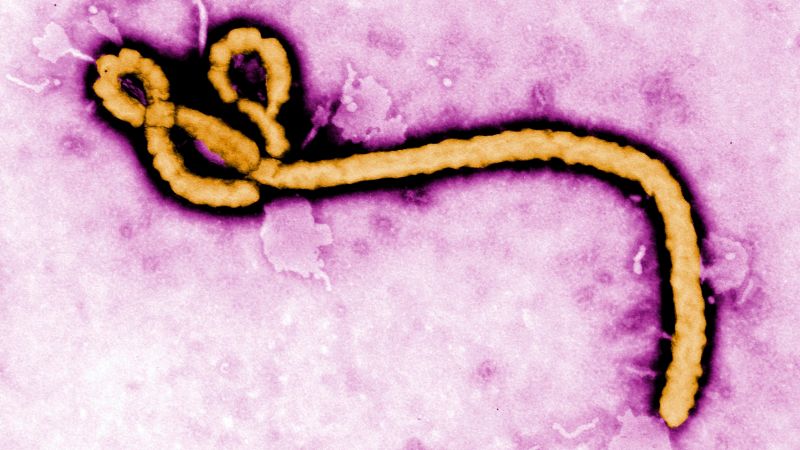
A New Ebola Outbreak Confirmed in Remote Congo Province, with 65 Deaths Recorded
A new Ebola outbreak is confirmed – On Friday, the Africa Centres for Disease Control and Prevention (Africa CDC) announced the discovery of a fresh Ebola outbreak in the eastern province of Ituri, Congo. The agency reported 246 potential infections and 65 fatalities, with the majority of cases concentrated in the Mongwalu and Rwampara health zones. This marks the 17th instance of the virus spreading across the country since its initial appearance in 1976, underscoring the persistent challenge of containing the disease in this region.
According to Africa CDC, the Ebola virus is among the most infectious pathogens, capable of spreading through exposure to bodily fluids like vomit, blood, or seminal fluid. Though uncommon, the illness it triggers is exceptionally severe, often resulting in fatality. The agency emphasized that while four confirmed cases have been identified through laboratory testing, additional suspected cases in Bunia—Ituri’s capital—remain under evaluation, highlighting the urgency of further investigation.
The outbreak has raised alarms due to the region’s geographic and logistical vulnerabilities. Ituri, situated in a remote part of Congo, is more than 1,000 kilometers from the national capital, Kinshasa. Its poor road networks and limited infrastructure complicate rapid response efforts. Moreover, the area’s proximity to Uganda and South Sudan amplifies concerns about cross-border transmission. Africa CDC warned that population movement, mining activity in Mongwalu, and ongoing insecurity in affected zones could facilitate the virus’s spread.
“The meeting will focus on immediate response priorities, cross-border coordination, surveillance, laboratory support, infection prevention and control, risk communication, safe and dignified burials, and resource mobilization,”
Earlier this week, Africa CDC convened an emergency summit with health officials from Congo, Uganda, and South Sudan, alongside international partners such as U.N. agencies and other nations. The goal was to establish a unified strategy for tackling the outbreak. Key discussions centered on deploying medical teams, enhancing surveillance systems, and ensuring rapid access to diagnostic labs. The agency also highlighted the importance of safe burial practices, a critical measure in preventing further infections during the early stages of an outbreak.
The current crisis follows the conclusion of Congo’s previous Ebola outbreak, which ended in late 2025 after 43 deaths. However, the new surge has occurred just five months later, indicating the virus’s ability to resurge swiftly. Historical context is crucial: in 2018, a prolonged outbreak in eastern Congo claimed over 1,000 lives, while the 2014–2016 West African epidemic resulted in more than 11,000 fatalities. These past events have shaped the country’s preparedness, with health workers now drawing from extensive experience.
Ituri’s struggles are compounded by its ongoing conflicts. The province has been embroiled in clashes with the Allied Democratic Force (ADF), an Islamist group linked to the Islamic State. These violent episodes have disrupted communities, making it harder to implement containment measures. Additionally, the M23 rebel group, which seized control of several cities in January 2025, continues to pose security challenges in the region. Such instability exacerbates the difficulty of maintaining consistent public health protocols.
Dr. Gabriel Nsakala, a public health expert who has contributed to prior Ebola responses in Congo, noted that the nation’s health infrastructure has improved significantly. “In terms of training, people already know what they can do. Now, the expertise and equipment need to be delivered quickly,” he stated. While laboratories and trained personnel are in place, rapid deployment remains vital to curb the outbreak before it escalates.
The Africa CDC’s statement also addressed logistical hurdles that have historically hindered outbreak management. Congo, Africa’s second-largest country by landmass, often faces delays in mobilizing resources due to its vast and challenging terrain. During the 2025 outbreak, the World Health Organization (WHO) encountered significant obstacles in vaccine distribution, citing restricted access and insufficient funding as key barriers.
Despite these challenges, the African Union health body is optimistic about leveraging past lessons. “We have a robust framework in place, but speed is essential,” Africa CDC officials reiterated. They emphasized the need for immediate action to support local health systems, coordinate with neighboring countries, and maintain transparency in reporting. The meeting also aimed to address gaps in contact tracing and control, which have been identified as critical areas for improvement.
The outbreak has intensified fears among residents and health workers, who are now tasked with managing the disease amidst persistent conflict. The ADF’s attacks in Ituri have already claimed dozens of lives, and the virus’s spread could further strain resources. With the region’s fragile infrastructure and security situation, the African CDC is urging a coordinated effort to prevent the outbreak from becoming a larger crisis.
As the situation unfolds, the focus remains on preventing the virus from reaching new areas. The proximity of Ituri to Uganda and South Sudan means that a single case could spark a regional epidemic. Africa CDC’s call for a unified approach underscores the importance of collaboration between countries and international bodies. With 246 suspected cases and 65 deaths already logged, the stakes are high for containing the outbreak before it spirals out of control.
Health authorities are also preparing for the possibility of a prolonged response. While the initial phase of the outbreak has been documented, the virus’s potential to mutate and adapt means vigilance is required. The agency’s statement emphasized the need for sustained efforts in both public health and security sectors to ensure the outbreak is contained effectively. With the country’s history of dealing with Ebola and the ongoing threats from armed groups, the challenge is multifaceted but not insurmountable.
