
Takeaways from the DNC autopsy
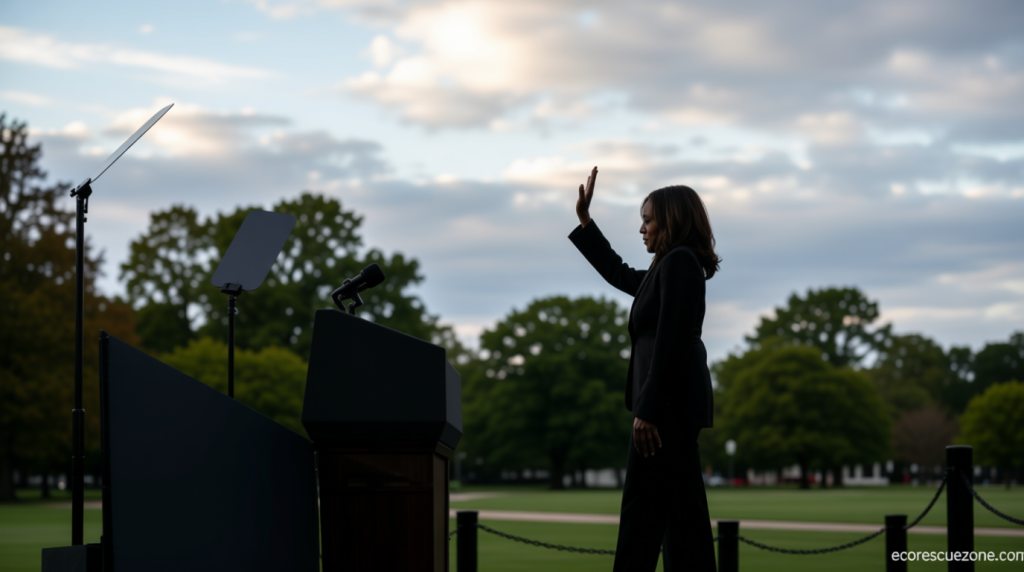
Takeaways from the DNC autopsy
Takeaways from the DNC autopsy – Following the 2024 election, Democrats have been actively analyzing what factors contributed to their unexpected setback in the presidential race. The Democratic National Committee (DNC) had anticipated releasing a comprehensive “autopsy” document to evaluate the performance of the party’s campaign strategy. However, the report remained unpublished for an extended period, prompting questions about its readiness and the committee’s decision-making process. After a growing chorus of pressure from within the party, DNC Chairman Ken Martin recently announced the release of an incomplete version of the document, acknowledging that it was not fully polished but deemed necessary for transparency.
Delayed Release and Revised Stance
Initially, Martin had expressed hesitation about publishing the report, citing its lack of refinement and the potential for misinterpretation. He stated that the document was “not close to being ready for public consumption” and that its incomplete nature could create confusion. However, he later conceded that withholding the report had itself become a source of distraction. In a statement to CNN, Martin emphasized his commitment to restoring trust in the Democratic Party, saying, “For full transparency, I am releasing the report as we received it, in its entirety, unedited and unabridged.” Despite his reservations, he believed the release was essential to address concerns within the party and the broader public.
“It does not meet my standards, and it won’t meet your standards, but I am doing this because people need to be able to trust the Democratic Party and trust our word.”
The document, authored by Democratic consultant Paul Rivera, includes a disclaimer stating that it reflects Rivera’s personal views rather than the official stance of the DNC. While Rivera is described as a part-time volunteer who contributed the report, he has not provided further commentary since its release. This decision to keep the report in its original form has sparked debate about its accuracy and coherence, with critics noting its disjointed structure and potential for misrepresentation.
Key Findings of the Autopsy
One of the report’s central arguments is that Democrats have been overly complacent in their approach to recent elections. It highlights how close the 2024 race was, suggesting that the party’s leadership could have adopted a more proactive strategy. The document also challenges the notion that minor adjustments to tactics would suffice, arguing instead that a fundamental shift in the party’s strategy is required. “This kind of thinking – denialist at its core – prevents the Party from seeking real accountability,” the report states, emphasizing the need for decisive action to regain voter confidence.
According to the report, the Democratic Party has struggled to maintain momentum since Barack Obama’s 2008 victory. It describes the party’s trajectory as one of “stagnation and retrogression,” with steady losses in key states and local races. The report attributes these declines to a failure in investing in grassroots infrastructure and candidate development. “These losses are the direct result of missed opportunities to invest in our states, counties, and local parties and candidates,” it claims. This critique suggests that the DNC’s focus on national-level strategy has neglected the critical role of local engagement.
Another major point of focus is the performance of Democratic candidates, particularly their ability to project strength and unity. The report argues that voters have gradually distanced themselves from the party due to perceived internal divisions. “Democratic candidates have proven incapable of projecting strength, unity, and leadership,” it states, highlighting a lack of cohesive messaging and candidate preparation. Even the positive outcomes of the 2025 elections are viewed with skepticism, as the document notes that “some of these elections were tighter than Democrats should be comfortable with.”
Analysis of the Biden Campaign
The report also scrutinizes the Biden campaign and White House operations, identifying several critical shortcomings. A key criticism is the lack of strategic preparation for Kamala Harris’s campaign, which was thrust into the spotlight with just three and a half months remaining before the election. The document points to a missed opportunity during the 2022 midterms, when the White House asked the DNC to assess how Jill Biden could best support President Biden politically. In contrast, no similar analysis was conducted for Harris, despite her role as vice president addressing complex issues like immigration.
“As a result, at the moment of the candidate switch the polling team discovered there was no self-research on the Vice President to guide the development of the research instruments,” the report states. This oversight is seen as a major factor in the campaign’s effectiveness. The report further criticizes the Biden White House for not aggressively countering right-wing narratives that labeled Harris as Biden’s “border czar.” While Harris’s responsibilities primarily involved addressing the root causes of migration from Central American countries, the report suggests that the campaign failed to clarify this to the public, allowing opponents to shape the narrative.
Implications for the Democratic Party
Despite its incomplete nature, the autopsy raises important questions about the DNC’s role in shaping the party’s electoral strategy. It underscores the challenges of maintaining a unified message in an era of rapid political shifts. The document’s release has also prompted reflection on the internal dynamics of the Democratic National Committee, particularly the balance between top-down strategy and local adaptability. While the report does not present a clear roadmap for future success, it serves as a starting point for deeper discussions about the party’s direction.
Additionally, the report highlights the broader implications of the 2024 election outcome. It suggests that the Democratic Party’s failure to capitalize on early momentum and address voter concerns may have lasting consequences. The document’s emphasis on missed opportunities and strategic missteps reflects a growing sense of urgency within the party to reevaluate its approach. However, the absence of a cohesive strategy leaves room for interpretation and further analysis by party members and external observers.
In the wake of the report’s release, Martin has taken steps to distance himself from Rivera’s conclusions, confirming that the consultant was no longer associated with the committee. This move signals an attempt to separate the report’s content from the DNC’s official position. Nonetheless, the document remains a significant piece of the party’s self-evaluation, offering insights into the factors that influenced the 2024 election and the challenges ahead. As Democrats continue to navigate the aftermath, the autopsy report serves as both a reflection of past efforts and a call to action for future improvements.
