U.S. and Iran exchange strikes, underscoring the fragility of the ceasefire

Escalation Between U.S. and Iran Threatens Ceasefire Progress
U S and Iran exchange strikes – Iran’s Revolutionary Guard Corps asserted responsibility for launching coordinated drone and missile strikes against Bahrain and Kuwait on Sunday, as reported by Iranian state media. These attacks occurred just hours after the U.S. military conducted targeted operations against Iranian facilities, marking a renewed cycle of hostilities. The renewed violence has cast doubt on the viability of ongoing ceasefire discussions, which were intended to ease tensions in the region.
Background of the Ceasefire Agreement
The current conflict has seen its most significant intensification since the U.S. and Iran signed a provisional agreement earlier this month. This memorandum of understanding granted both sides a 60-day window to address critical disputes, including control over the Strait of Hormuz, the removal of a U.S. maritime blockade on Iranian ports, sanctions relief, and the management of Iran’s stockpile of highly enriched uranium. However, the latest exchanges have complicated the progress of these negotiations.
Kuwait reported that its air defense systems intercepted two Iranian ballistic missiles, with no casualties or damage reported. In contrast, Bahrain’s Interior Ministry confirmed that Iranian projectiles struck a residential building near the international airport. The ministry shared images of a multi-story structure with its upper floor partially destroyed and windows shattered. While the building was not close to the headquarters of the U.S. Navy’s 5th Fleet, the fleet itself, based in Bahrain, endured sustained attacks during the war.
“This dangerous escalation demonstrates that Tehran’s actions are not temporary or isolated but part of a calculated strategy to provoke repeated aggression,” stated Bahrain’s Foreign Ministry in a formal condemnation.
Meanwhile, hostilities between Israel and Hezbollah in southern Lebanon persist, amplifying regional instability. Hezbollah, backed by Iran, killed an Israeli soldier in the village of Deir Siryan, according to Israeli military sources. In response, Israeli forces eliminated the individual responsible, underscoring the ongoing nature of the conflict.
Hezbollah’s Stance and Regional Tensions
Hezbollah’s leader reiterated the group’s determination to continue fighting until Israel withdraws from southern Lebanon, as per a statement published in a pro-Hezbollah Lebanese outlet. Another local media report noted that Iran’s parliament speaker, Mohammad Bagher Qalibaf, called for an emergency session of a new conflict management committee involving Iran, the U.S., and Lebanon.
Israel’s military chief of staff, Lt. Gen. Eyal Zamir, emphasized the country’s readiness to intensify operations in both Lebanon and Iran during a visit to troops in the northern border region. “If conditions demand, we will swiftly resume offensive campaigns to ensure the ceasefire holds,” he declared in a statement relayed by Israeli media.
The ceasefire agreement, signed in June, did not extend to Iran or Hezbollah, leaving their roles in the conflict unresolved. Israel maintains its position that it will not retreat from occupied territory in southern Lebanon until Hezbollah disarms. Hezbollah, however, has rejected this demand, asserting it will not relinquish its weapons until Israel fully withdraws.
Iran’s Retaliatory Strikes and Strategic Objectives
Iran’s Revolutionary Guard Corps warned that it might suspend all ceasefire talks if the U.S. continues its military operations. The warning was posted on social media by Iranian state-run outlets, highlighting the Guard’s readiness to escalate tensions further. The attacks on Sunday were framed by Iran as a direct response to U.S. strikes, which targeted 10 Iranian military installations late Saturday.
The U.S. Central Command revealed that its operation struck surveillance networks, communication hubs, air defense posts, drone storage areas, and minelayer facilities. These actions followed an Iranian missile attack on a Panamanian-flagged oil tanker, the Kiku, in the Strait of Hormuz earlier that day. The vessel was transporting crude oil destined for Qatar’s state-owned energy company, underscoring the strategic importance of the waterway.
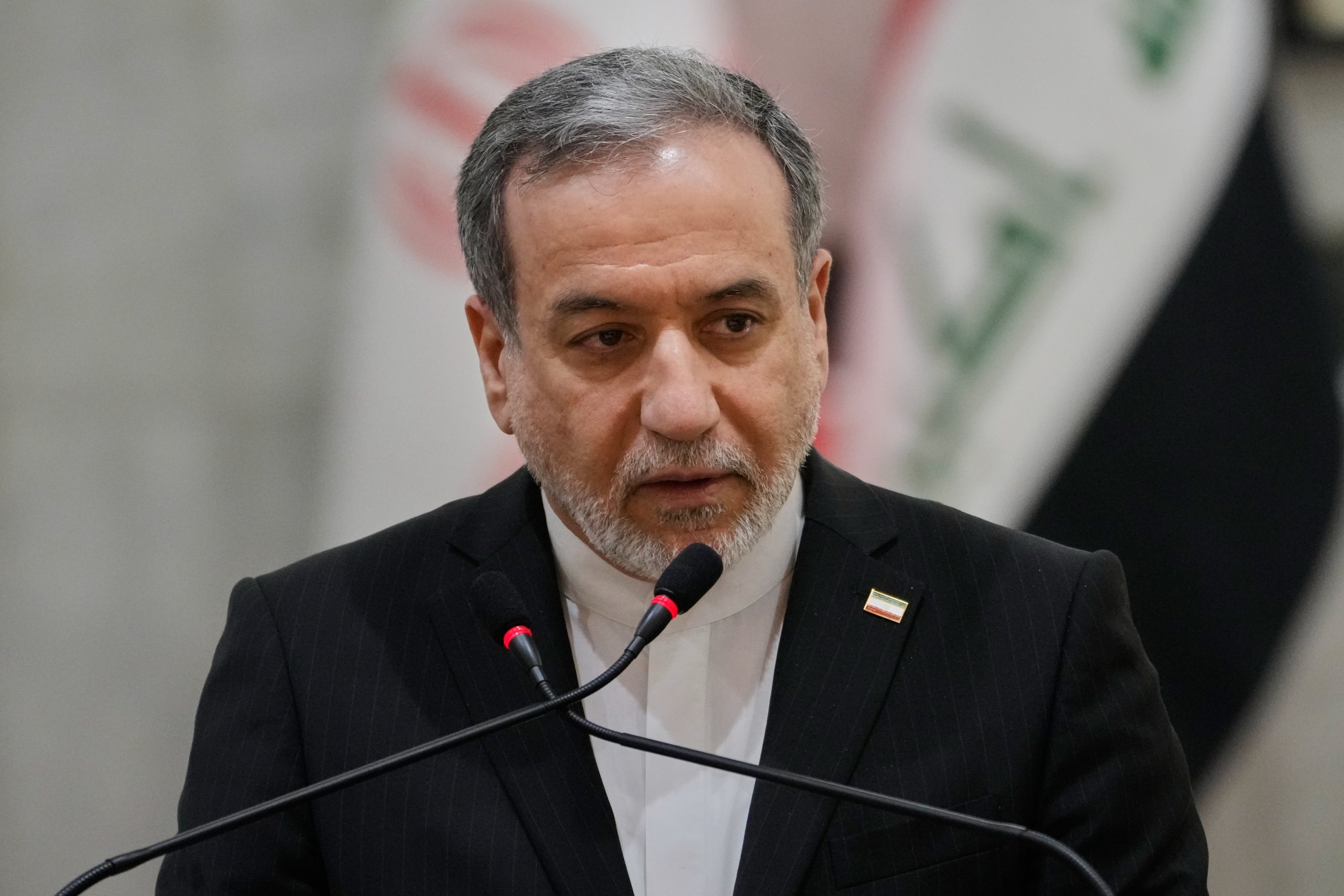
“Any attempt to impose alternative arrangements on the Islamic Republic of Iran will only prolong delays in reopening the Strait of Hormuz and heighten regional tensions,” said Iranian Foreign Minister Abbas Araghchi in a statement released Sunday.
The Kiku incident is part of a broader sequence of attacks that began on Thursday. On that day, a suspected Iranian drone struck a merchant vessel off the coast of Oman, prompting swift U.S. retaliation. The strategic control of the Strait of Hormuz remains central to the dispute, with Iran insisting it should exclusively govern the vital waterway. Historically, the strait accounted for a fifth of global oil and natural gas traffic, making its security a critical issue for international energy markets.
As the conflict unfolds, the interplay between military actions and diplomatic efforts becomes increasingly complex. While Iran and the U.S. have agreed to a temporary pause, the recent strikes suggest that this arrangement may not hold without sustained cooperation. The involvement of Hezbollah further entangles the situation, as its continued attacks in southern Lebanon challenge Israel’s commitment to the ceasefire.
Qatar, acting as a key mediator in U.S.-Iran relations, has faced pressure to facilitate a resolution. The country’s role in easing tensions has been pivotal, yet the latest incidents may test its ability to maintain neutrality. The broader implications of this escalation extend beyond immediate military outcomes, threatening to deepen divisions among regional actors and prolong the crisis.