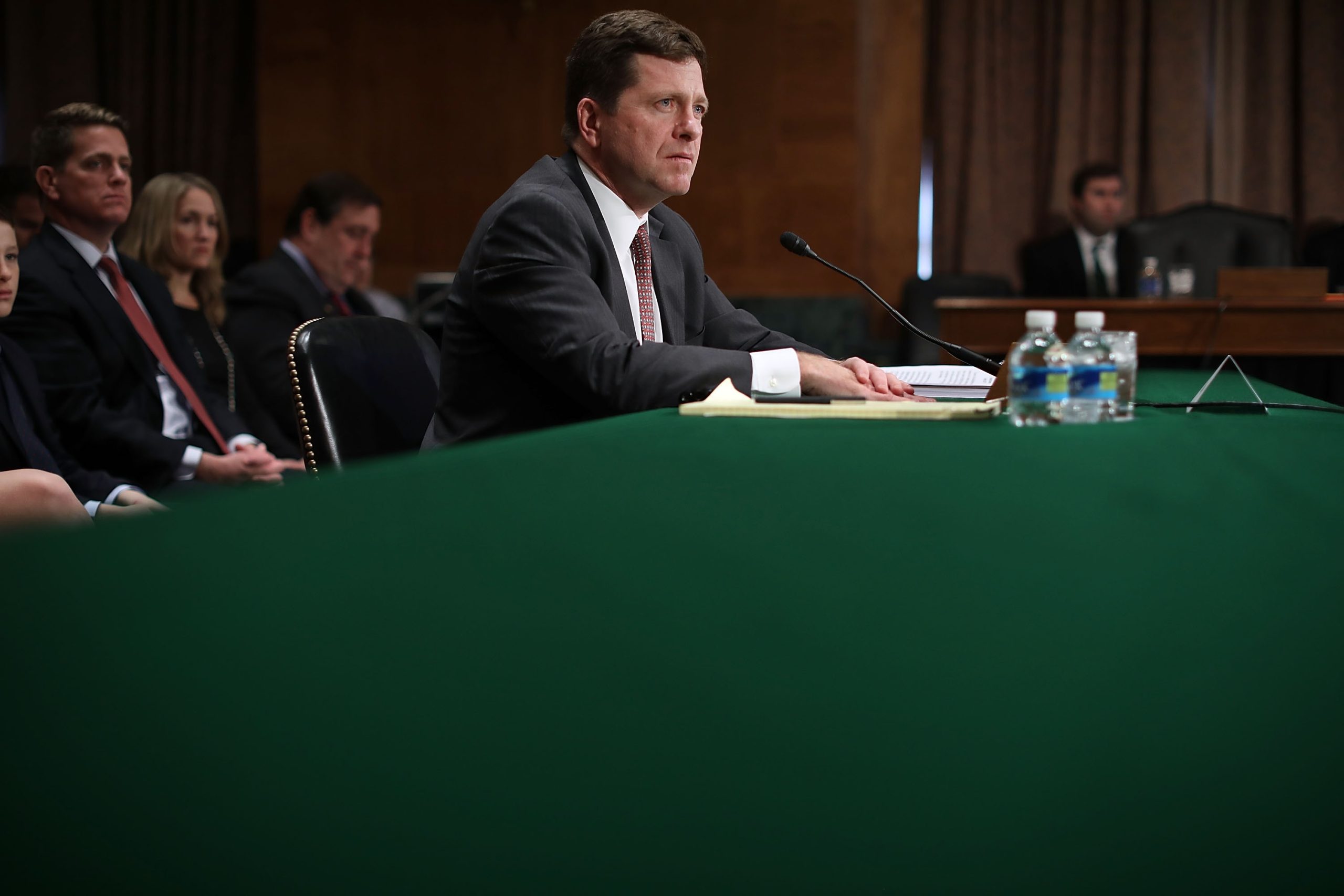
The bond market is signaling trouble ahead. This is why you should pay attention


The Bond Market Is Signaling Trouble Ahead
Ecorescuezone.com – The bond market is signaling a warning that households cannot ignore. The U.S. Treasury confirmed this week that total federal debt has surpassed $40 trillion for the first time ever. That milestone arrived alongside a prolonged selloff in government securities, which has driven the 30-year Treasury yield to its highest level since 2007. For ordinary borrowers, the tremor in fixed-income markets is already showing up as steeper rates on mortgages, auto loans, and credit cards.
This is not a routine pullback. Investors — both institutional and retail — are reacting to two intertwined pressures: stubborn inflation that erodes the real value of fixed coupon payments, and a fiscal path in which successive administrations have consistently outspent tax receipts. The combined effect makes long-duration government paper less appealing, compelling sellers to discount prices and buyers to demand richer yields before committing capital.
Why Treasury Yields Anchor Every Other Loan Rate
Treasury bonds are, at their simplest, IOUs the federal government issues to fund operations ranging from payroll to Department of Defense programs. The Treasury auctions these instruments to a broad base of buyers — commercial banks, foreign sovereign funds, pension funds, and individual savers. Corporations issue their own debt, but government paper occupies a unique position: it sets the baseline pricing from which virtually every other loan in the economy is derived.
The interest the government pays on outstanding debt is called the yield, and a mechanical rule governs its relationship to price: the two move in opposite directions. When investors dump bonds, prices fall and the effective yield on remaining holdings rises. When demand lifts prices, yields compress. In practical terms, a selloff does not merely reduce the market value of existing holdings — it forces the Treasury to offer a higher coupon on newly issued paper to attract buyers.
The logic mirrors what any bank applies when reassessing a borrower’s creditworthiness. A lender worried about repayment risk raises the rate on a new loan; a lender confident in a reliable customer offers a lower rate. Fixed-income investors apply the same calculus to sovereign credit, adjusting their required compensation based on perceived fiscal risk and the inflation outlook.
What Is Accelerating the Current Selloff
Two structural concerns dominate sentiment right now. The first is inflation: when prices climb, the fixed dollar amount a bondholder will eventually receive back loses purchasing power, shrinking the real return. Investors respond by demanding a higher nominal yield to offset that erosion, which pushes prices lower.
The second concern is fiscal. Persistent deficits under multiple administrations mean the government borrows more each year than it collects in revenue, producing a compounding debt stock now at $40 trillion. A particularly visible catalyst came early in President Trump’s second term, when he signed a sweeping legislative package that extended tax cuts originally enacted during his first administration while simultaneously expanding outlays in areas such as border security. The bill widened the projected deficit path and gave traders a concrete reason to reprice long-dated risk.
The market is not predicting a default. It is pricing the probability that fiscal discipline will remain elusive for years, and demanding a premium for bearing that uncertainty.
Most analysts do not expect the United States to default on its obligations. The dollar’s reserve-currency status and the Treasury’s ability to tax in its own currency provide a backstop few other sovereigns enjoy. Yet the sheer scale of annual interest obligations is reshaping the budget’s composition in ways that constrain policy flexibility.
The Ripple Effect on Everyday Borrowing
Treasury yields function as the benchmark against which banks, credit unions, and other lenders price consumer and commercial loans. When the 10-year or 30-year yield climbs, mortgage rates, auto-finance rates, and credit-card APRs tend to follow within weeks. Last week, Freddie Mac reported that the average rate on a 30-year fixed-rate mortgage reached 6.67 percent — nearly the highest level in the past year. For prospective homebuyers already stretched by elevated prices, that jump narrows affordability further and pushes many buyers back into the rental market.
Businesses face a parallel squeeze. Capital-expenditure projects priced against long-duration benchmarks now carry higher financing costs, which can delay hiring, slow equipment upgrades, and compress margins for small firms that rely on variable-rate credit lines. The transmission from the bond market to the real economy is not instantaneous, but it is reliable and, at current levels, material.
Frequently Asked Questions
Does a rising bond yield mean the government will default? Not necessarily. A higher yield reflects investors demanding more compensation for inflation risk and fiscal uncertainty, not an expectation that the Treasury will fail to pay. The dollar’s reserve-currency status and the government’s taxing authority make a U.S. default an extreme tail risk rather than a base-case scenario.
What should a household do if mortgage rates keep climbing? Locking in a fixed-rate mortgage before further hikes, keeping an emergency fund of three to six months of expenses, and avoiding variable-rate debt during periods of rising yields are standard prudent steps. Consulting a fee-only financial planner before making large borrowing decisions is advisable.
How long does the effect of a bond selloff last? There is no fixed timeline. If inflation cools and fiscal policy shifts toward deficit reduction, yields can compress within a quarter or two. If deficits persist and inflation remains sticky, elevated yields can become the new normal for several years, keeping borrowing costs high throughout that period.