What the Supreme Court did on the final day of its term

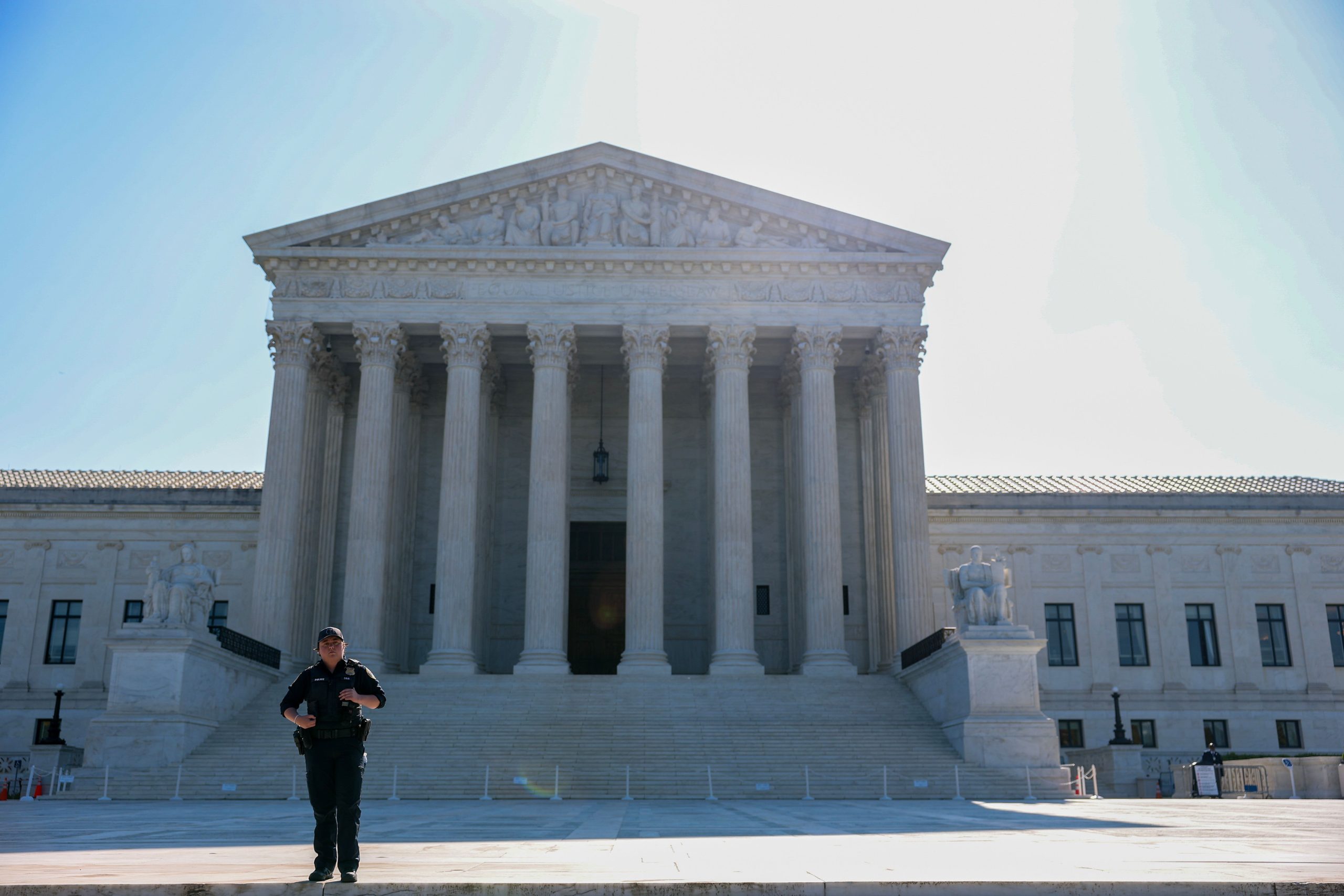
Supreme Court Affirms Birthright Citizenship on Final Day of Term
What the Supreme Court did – On Tuesday, the U.S. Supreme Court reaffirmed the principle that children born on American soil automatically qualify for citizenship, irrespective of their parents’ immigration status. The ruling rejected President Trump’s most forceful effort to narrow this constitutional right, which had been a central point of contention during the final days of the term. This decision marked a pivotal moment in the court’s interpretation of the 14th Amendment, reinforcing a long-standing legal tradition.
The Majority’s Historical Argument
Chief Justice John Roberts, writing for the majority, anchored the ruling in the nation’s founding principles. He emphasized that the right to citizenship at birth was rooted in the early days of the United States, echoing the demands of the colonists who sought “the rights of Englishmen” centuries ago. Roberts highlighted how Congress, post-Civil War, explicitly extended this right to all individuals born within the country, regardless of their origins. The chief justice framed the 14th Amendment as a constitutional guarantee, stating it was designed to ensure that every person born on American soil possessed the fundamental rights to freedom and equality.
Roberts concluded that the amendment’s language was straightforward, emphasizing that “citizenship then and now was the right to have rights.” He noted that the framers of the amendment had intended to protect all free-born individuals, including those from marginalized communities, and that the current ruling preserved that legacy. The decision, however, sparked debate, with some justices arguing that the interpretation was overly broad.
Dissenting Views: A Challenge to Constitutional Norms
Justice Clarence Thomas, who authored the lead dissent, contended that the 14th Amendment was specifically crafted to address the plight of former enslaved individuals and their descendants. His 91-page argument suggested that the amendment’s scope was limited to those groups, casting doubt on its universal application. Thomas warned that the majority’s interpretation might not endure, stating, “I am not sure that today’s opinion will stand the test of time.”
Justice Neil Gorsuch joined Thomas in his dissent, while Justice Samuel Alito submitted a separate opinion. The dissenters’ critique underscored a growing divide within the court, with some justices questioning whether the majority had upheld the amendment’s original intent. This split highlighted the ideological rift in how the justices approached the issue of birthright citizenship, with one faction viewing it as a foundational right and the other as a flexible legal concept.
Legal Perspectives: Fundamental Rights vs. Policy Flexibility
Cecillia Wang, the ACLU’s legal director, who represented the case before the court, described the ruling as a victory against Trump’s attempt to redefine citizenship. She noted that the president’s argument aimed to make birthright citizenship contingent on administrative discretion, a claim the court found insufficient. “The majority saw through the president’s efforts to frame citizenship as something that could be expanded or contracted based on current immigration priorities,” Wang explained.
Wang emphasized that the right to birthright citizenship is deeply embedded in American values. “It represents the nation’s commitment to rejecting caste systems and embracing equality,” she said. This sentiment was echoed by Yale law professor Akhil Amar, who praised the court’s decision as a return to the original meaning of the Constitution. Amar pointed out that the 14th Amendment’s text was centered on the child, stating, “It is about the child. It doesn’t say anything about parents.”
Meanwhile, University of Virginia law professor Amanda Frost expressed disappointment, noting the court’s narrow vote. “The length of the opinion and the fact that four justices argued the Constitution does not require near universal birthright citizenship suggest that this was a fringe argument pushed into the mainstream,” Frost told NPR. She argued that the decision reflected a shift in constitutional interpretation, with the majority seemingly accommodating a more restrictive view of the amendment’s purpose.
Historical Precedents: A Consistent Legal Standard
The court’s decision revived a long-standing interpretation of the 14th Amendment, one that had been upheld for over a century. Roberts clarified that the amendment’s exceptions were limited to specific groups, such as children of foreign diplomats and certain Indian tribes, who were not subject to U.S. laws at the time. This understanding of the amendment had remained consistent even during periods of racial and social tension, including World War II. At that time, Japanese citizens confined in internment camps were still granted automatic citizenship to their children born within the country, demonstrating the amendment’s broad application.
Roberts’ ruling also highlighted the amendment’s role in shaping American identity. By guaranteeing citizenship to nearly all individuals born in the United States, the 14th Amendment became a cornerstone of the nation’s promise of equality. This principle, Roberts argued, had been central to the country’s development, ensuring that no one was excluded from the rights of citizenship solely based on their birthplace.
A Legacy of Resistance: The Wong Kim Ark Connection
The recent decision was not the first time the Supreme Court had affirmed birthright citizenship. In 1898, the court ruled in the case of Wong Kim Ark, a child born in the U.S. to Chinese parents. This landmark case established that birthplace alone determined citizenship, regardless of a person’s ethnic background. The ruling’s significance was recently underscored by Norman Wong, the great-grandson of Wong Kim Ark, who shared his family’s story in a statement following the Tuesday decision.
“My great grandfather, Wong Kim Ark, never intended to become a symbol,” Wong said. “He was just a cook, but his case set a precedent that continues to protect the rights of all Americans today. It’s remarkable that his legacy still resonates, even after generations.” Wong’s words highlighted the enduring impact of the 1898 ruling, which had long been seen as a cornerstone of the nation’s inclusive citizenship framework.
Roberts’ ruling on Tuesday, while modern, aligned with this historical precedent. It reinforced the idea that birthright citizenship is not a temporary or conditional right but a fundamental aspect of American law. This interpretation contrasted sharply with the dissenting justices’ views, who argued that the amendment’s scope could be redefined to suit contemporary political needs.
The debate over birthright citizenship reflects broader questions about the role of the Supreme Court in shaping constitutional principles. While the majority upheld a tradition of automatic citizenship, the dissenting opinions signaled a willingness to revisit that tradition, raising concerns about the potential for future reinterpretations. As the nation grapples with immigration policies and the rights of its citizens, this decision will likely serve as a touchstone for legal and political discourse in the years to come.
Broader Implications and Future Outlook
With the ruling, the Supreme Court preserved the constitutional right to automatic citizenship, but the division among justices revealed an ongoing struggle over its interpretation. Roberts’ majority opinion emphasized the amendment’s historical roots, while the dissenting justices proposed a narrower view, one that could open the door for future challenges to the right. This split underscores the court’s evolving role in balancing tradition with modernity, as it seeks to address contemporary issues through a constitutional lens.
Legal experts remain divided on the long-term implications of the decision. While some see it as a reaffirmation of core American values, others worry it may set a precedent for future restrictions. The ruling, however, provides a clear statement that the current administration’s attempt to limit birthright citizenship was not successful, preserving the rights of future generations of Americans born on U.S. soil.
As the Supreme Court moves forward, its decision on Tuesday will be remembered as a key moment in the fight to uphold the rights of all citizens. Whether this interpretation holds firm or faces future challenges remains to be seen, but for now, the nation’s constitutional promise of equality continues to stand as a defining principle.