Pastor freed from prison in China weeks after Trump requested his release

Pastor Freed From Prison in China Weeks After Trump Requested His Release
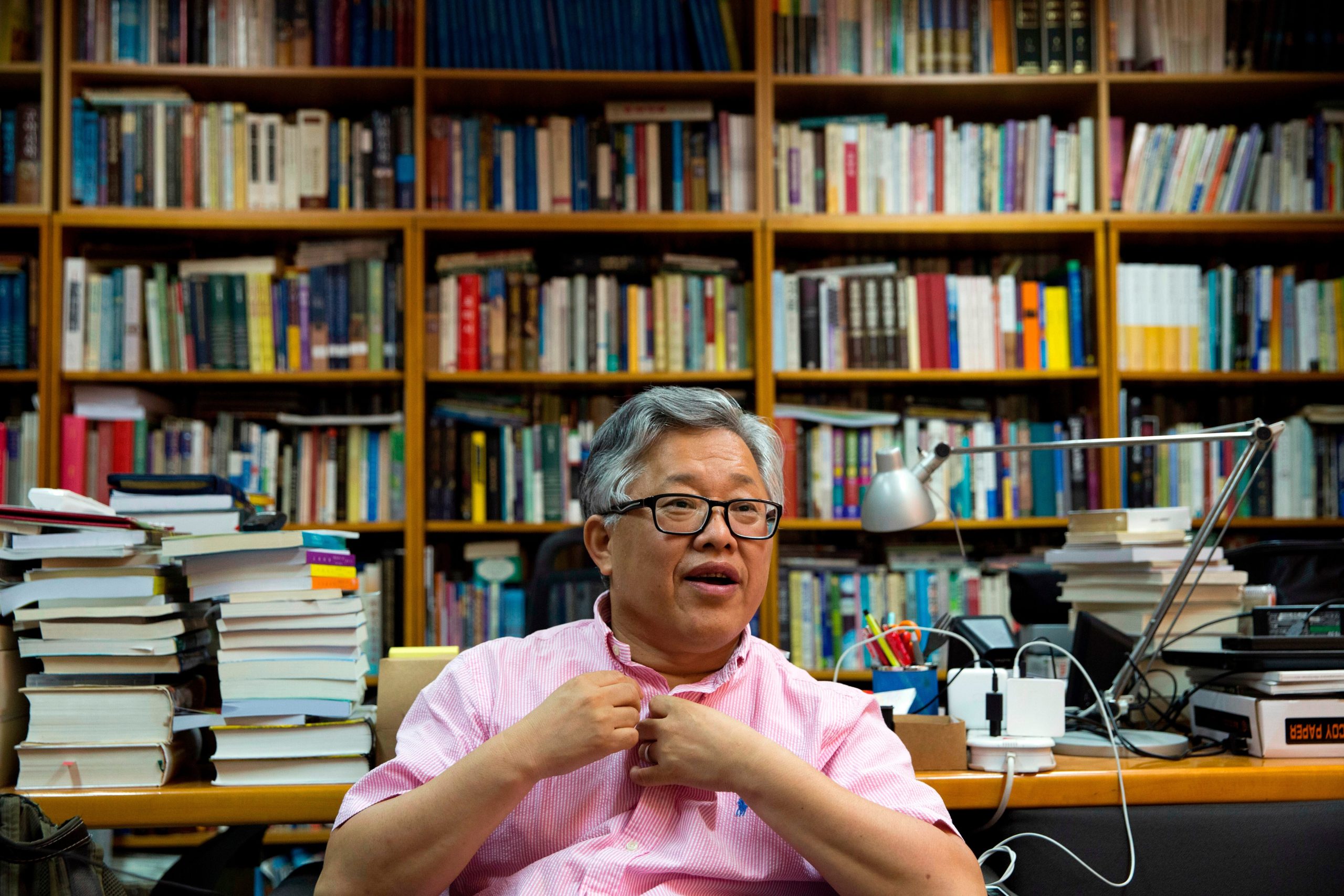
Pastor freed from prison in China – In a surprising turn of events, Pastor Ezra Jin Mingri, a leader of a well-known underground church in China, has been released from detention less than two months after U.S. President Donald Trump highlighted his case during a meeting with Chinese leader Xi Jinping in Beijing. His family and human rights advocates confirmed the news Saturday, describing the pastor’s return as a significant moment in the ongoing tensions between the two nations over religious freedom.
Release Details and Family Reactions
Pastor Jin Mingri, who was arrested in October, arrived in Los Angeles and was immediately reunited with his family. Frances Hui, a representative from the Committee for Freedom in Hong Kong Foundation, shared the update on X, emphasizing that the pastor’s release came swiftly and was likely influenced by direct diplomatic efforts. “This marks a critical step toward restoring religious liberties in China,” Hui wrote, adding that the family expressed gratitude for the intervention.
“We hope this is a signal of a positive turn for people of faith in China and relations between our two nations,” the family statement said, underscoring the symbolic importance of the pastor’s freedom.
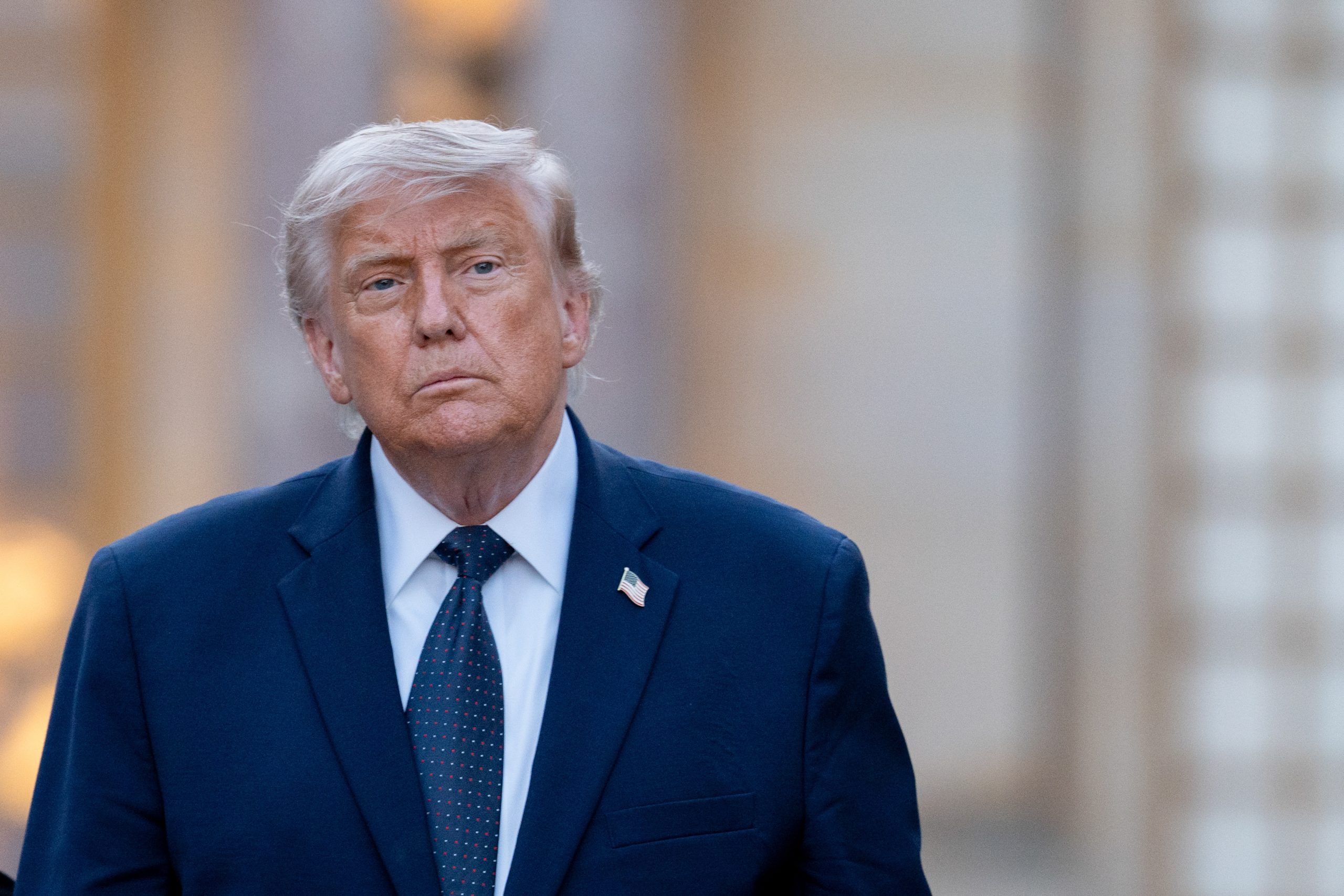
The pastor’s case gained international attention after Trump, during a return flight from Beijing in May, publicly raised concerns about the detention of both Jin and Hong Kong activist Jimmy Lai. According to reports, the president mentioned the matter during a conversation with Xi Jinping, signaling a potential shift in U.S.-China relations. “He said he’s gonna strongly consider the pastor,” Trump remarked to journalists, though he noted that Xi described Lai’s case as “a tough one.”
Context of the Crackdown
In October, Chinese authorities launched one of the largest crackdowns on a single church in recent decades, detaining Jin Mingri and 17 other Zion Church leaders. This move has sparked fears of a broader campaign to suppress religious expression, particularly among unregistered house churches. The Zion Church, one of the most prominent underground congregations in China, has long resisted state mandates requiring worship in officially sanctioned institutions.
The ruling Communist Party, which officially embraces atheism, has historically viewed organized religion as a challenge to its ideological control. Under Xi Jinping’s leadership, the government has intensified efforts to “Sinicize” faith, urging religious groups to align with party principles. This strategy has led to the arrest of numerous believers and the closure of unregistered churches, including Zion, which prioritizes worship without state oversight.
Trump’s Diplomatic Role
Trump’s mention of Jin’s case during his Beijing visit highlighted the growing importance of religious detainees in U.S.-China diplomacy. While the pastor’s release appears to have been a direct outcome of Xi’s intervention, the White House has not yet commented on the matter. Some analysts suggest that Trump’s emphasis on the issue may have pressured Chinese authorities to expedite the pastor’s freedom, though the exact nature of the agreement remains unclear.
Jimmy Lai, a 78-year-old former business magnate and publisher of a Hong Kong newspaper critical of Beijing, received a 20-year sentence in February. His case, along with Jin’s, became a focal point of Trump’s diplomatic engagement, reflecting the broader struggle between authoritarian control and individual rights. “He said he’s gonna strongly consider the pastor,” Trump told reporters on his flight, though he acknowledged the difficulty of resolving Lai’s situation.
Ongoing Detentions and Advocacy
Despite Jin’s release, activists note that the situation for other religious leaders remains uncertain. Maya Wang of Human Rights Watch tweeted that “at least 8 members of Zion Church remain detained in China,” urging their immediate freedom. “This release is a victory, but the fight continues,” Wang added, highlighting the persistence of government pressure on underground faith groups.
Jin Mingri’s journey to freedom began in 2018, when authorities targeted the Zion Church, prompting his family to flee to the United States. However, the pastor chose to return to China, determined to continue his ministry. His daughter, Grace Jin Drexel, testified before a congressional committee in November, explaining her father’s motivations. “My father started Zion to worship freely in a church where God is the sole head,” she said, emphasizing the group’s commitment to faith without political constraints.
Implications for Religious Freedom
The pastor’s release has sparked debate about the effectiveness of high-profile diplomatic interventions in addressing human rights issues. While some view it as a diplomatic success, others argue that it underscores the government’s willingness to negotiate when faced with international pressure. “This case demonstrates how state control over religion can be both rigid and adaptable,” said a rights group analyst, noting that the Chinese government may have used the pastor’s release to signal openness to dialogue.
However, the detention of other Zion Church members raises questions about the long-term viability of such gestures. The group’s leaders, including Jin, have faced repeated arrests and imprisonments for their refusal to conform to state religious policies. Their release is seen as a rare exception in a system that often targets faith-based dissenters.
Jin Mingri’s story also highlights the personal sacrifices required to uphold religious beliefs in China. After being released, he is expected to rebuild his life in the U.S., though his return may inspire further activism within the church. “We hope this will encourage others to keep fighting for their right to worship,” said Grace Jin Drexel, who has been advocating for her father’s case since his arrest.
Global Significance of the Case
The pastor’s detention and subsequent release have drawn comparisons to other religious prisoners in China, many of whom face extended sentences for their beliefs. His case, combined with Jimmy Lai’s, has become a symbol of the challenges faced by religious communities under authoritarian rule. “These detentions are part of a larger effort to control faith and maintain ideological dominance,” said a U.S. policy expert, who noted that Trump’s involvement may have accelerated the process.
Meanwhile, the Chinese government continues to emphasize its commitment to religious development, framing its actions as necessary to ensure harmony between faith and state. “Sinicization is not just about control; it’s about integrating religion into the national identity,” an official stated, though critics argue this often involves ideological conformity over spiritual freedom.
As the pastor’s case gains momentum, it remains to be seen whether his release will lead to broader reforms or simply serve as a strategic move in U.S.-China relations. His family’s gratitude for Trump’s role in securing his freedom underscores the impact of high-profile advocacy, even as other detainees await their own resolution. For now, the event represents a small but meaningful step toward easing the restrictions on religious expression in China.