Daftar Isi
The Cyclospora Parasite: Understanding America’s Largest Outbreak
Ecorescuezone.com – This season has brought an unprecedented wave of illness across the United States as microscopic Cyclospora parasites have disrupted the digestive health of countless individuals. Medical authorities are currently tracking what stands as the most significant outbreak of this particular parasite in American history. According to a mid-July report from the Centers for Disease Control and Prevention, forty-five states have now documented cases of cyclosporiasis, the gastrointestinal condition triggered by these tiny organisms.
Michigan at the Center of the Crisis
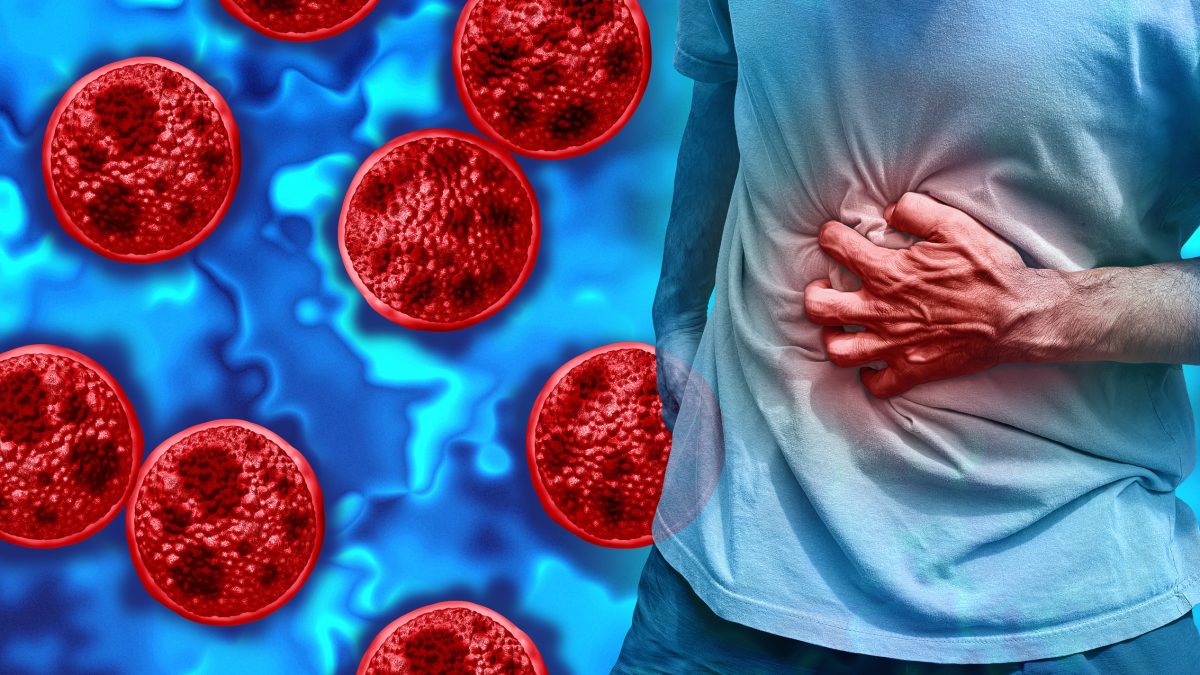
The state of Michigan has emerged as the epicenter of this health emergency. Local health officials estimate that over ten thousand residents have consumed contaminated food, with leafy greens—particularly lettuce—identified as the probable source. The contamination involves microscopic capsules harboring the Cyclospora parasites, which have found their way into the food supply through various pathways.
These organisms depend exclusively on human digestive systems for reproduction. They have likely traveled on agricultural products originating from regions where the parasite occurs more frequently, eventually reaching consumers throughout the nation. Their intricate biological characteristics explain why infections prove so persistent, sometimes extending over several weeks or even months.
Inside the Parasite’s Journey
On the exterior of herbs, vegetables, and berries, Cyclospora parasites remain inactive within protective capsules known as oocysts. These structures are nearly impossible to detect without magnification. Vernon Carruthers, a microbiology and immunology professor at the University of Michigan Medical School, provided context for their size: “It would take about a hundred of them, linked end to end, to fit across the head of a pin.”
Once ingested, these oocysts travel through the esophagus into the stomach before reaching the intestines. Internal signals trigger their activation. “The [oocysts] respond to signals in the gut, like body temperature, probably bile, digestive enzymes. This causes the parasites to be released,” Carruthers explained.
The parasites then target the small intestine’s lining, penetrating cells and commandeering them for replication. “These grow from just a few of the parasites we would take in, to millions of parasites replicating inside our intestinal cells,” Carruthers noted. During peak infection, some parasites transform into reproductive forms that combine to create new oocysts through a process capable of occurring millions of times.
Symptoms, Transmission, and Recovery
This biological activity damages the intestinal wall. Joel Barratt, a molecular parasitologist at Emory University School of Medicine who previously directed a CDC outbreak response team, described the mechanism: “[The parasite is] entering those host cells, replicating in those cells, producing its life cycle within those cells. And that process eventually destroys the cells.”
The cellular damage impairs nutrient absorption and generates the characteristic symptoms of cyclosporiasis, including nausea and diarrhea. Carruthers revealed that a single milliliter of diarrheal fluid may harbor approximately one thousand parasitic capsules.
Humans contract the infection primarily through accidental consumption of contaminated food or water containing traces of human waste. However, the waste must age before becoming infectious. “When [the oocysts are] immediately shed, they’re not infectious,” Barratt clarified. “They have to sit out there in the environment and mature.”
Transmission routes include contaminated soil, irrigation water, and handling by unwashed hands. Industrial washing procedures may exacerbate spread when multiple produce items share the same water supply. The parasite demonstrates remarkable resilience, surviving chlorine treatment, sunlight exposure, and cold conditions.
Dr. Bobbi Pritt, a Mayo Clinic microbiologist and director of its Clinical Parasitology Laboratory, emphasized the infection’s complexity: “It’s much more complex than the typical viral stomach bug that you can pass in a day or two.”
Treatment typically involves antibiotics such as Bactrim, Septra, or Cotrim, which inhibit parasite replication and support immune clearance. While cyclosporiasis rarely proves fatal, recovery timelines vary considerably depending on individual health factors and infection severity.
Related Reading
Frequently Asked Questions
What is What Cyclospora does inside the gut?
What Cyclospora does inside the gut is the main topic of this guide. The article explains the context, practical details, and next steps readers should understand.
Why does What Cyclospora does inside the gut matter?
What Cyclospora does inside the gut matters because readers are looking for a useful answer, not just a short summary. Good content should match search intent and help them decide what to do next.