SpaceX’s Upcoming IPO Signals Potential to Set New Market Records
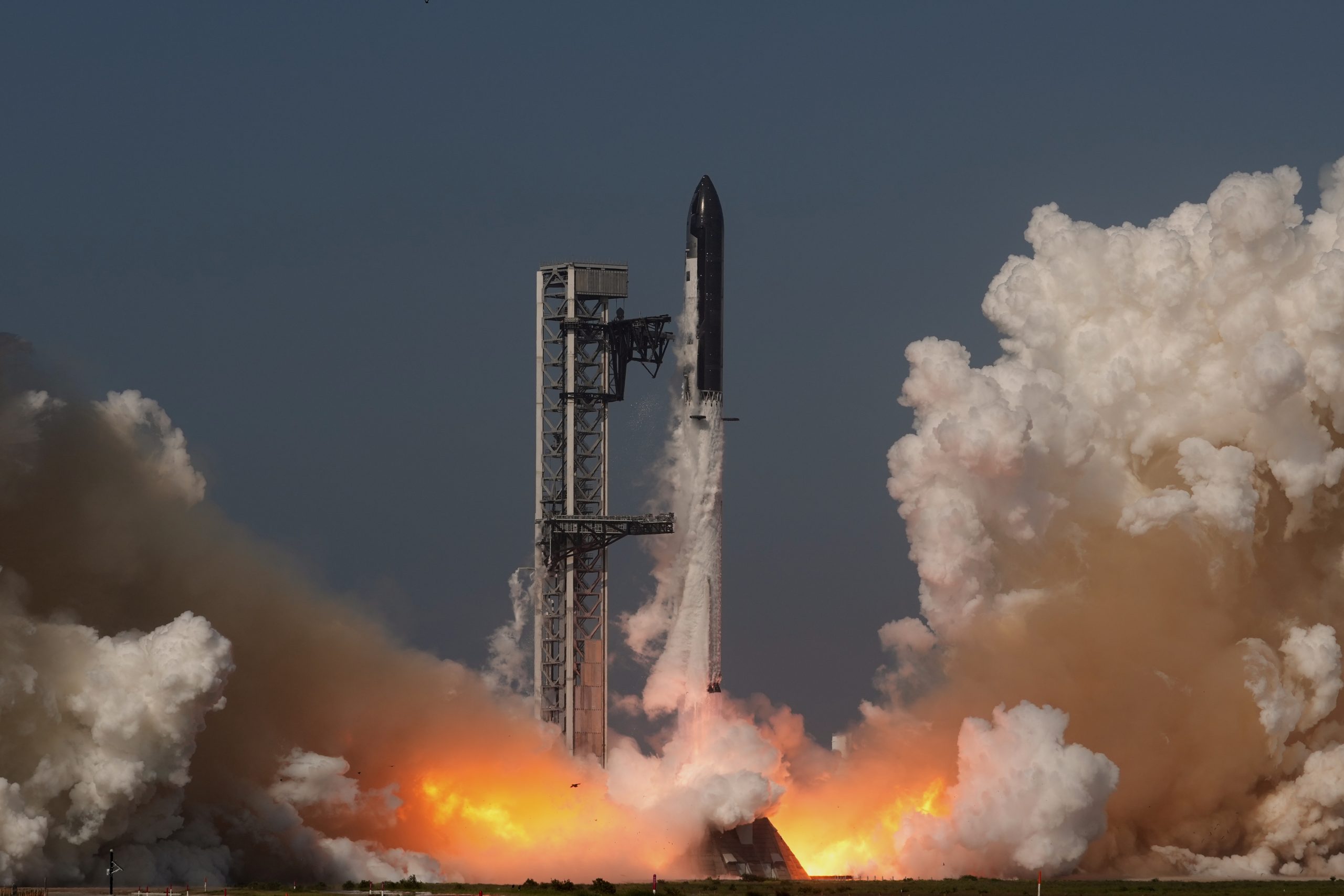
SpaceX is poised for blastoff – Elon Musk’s sprawling aerospace enterprise, SpaceX, is on the verge of a pivotal moment as it prepares to debut on the public markets. The company’s initial public offering (IPO) has sparked widespread speculation about its ability to surpass previous records, marking a significant event in the financial landscape. With a filing submitted to the Securities and Exchange Commission (SEC) in June, SpaceX aims to raise an unprecedented $75 billion by offering over 555 million shares at a projected price of $135 apiece. However, the actual funds raised may exceed this figure if the initial pricing is adjusted upward, creating an intriguing dynamic for investors.
A Record-Breaking Launch
Details of the IPO reveal that the stock is set to begin trading publicly on Friday, with the listing price expected to be announced late Thursday. This timing positions the offering as a potential milestone, potentially eclipsing Saudi Aramco’s 2019 IPO, which raised $29.4 billion. If successful, SpaceX’s debut could redefine the scale of public market investments, particularly in the realm of cutting-edge technology and space exploration.
Analysts are closely monitoring the event, viewing it as a critical test for investor confidence in Musk’s vision. The venture not only represents a shift in the aerospace industry but also underscores the growing influence of artificial intelligence within the broader corporate ecosystem. As the IPO unfolds, it will serve as a benchmark for other tech firms, especially those in the AI sector, which are also preparing to enter the public market.
The AI Connection
SpaceX’s IPO is part of a broader trend of tech companies leveraging AI to drive growth. Earlier this year, Musk’s company acquired xAI, a prominent artificial intelligence startup, further solidifying its position in the AI landscape. This move places SpaceX alongside OpenAI and Anthropic, two other AI pioneers that have recently filed IPO paperwork with the SEC. Together, these firms may set the stage for a wave of transformative market events later this year.
OpenAI, the parent company of ChatGPT, and Anthropic, known for its Claude AI models, are expected to follow SpaceX’s lead in the coming months. Their filings suggest a shared ambition to capitalize on AI’s burgeoning potential, yet they face the same challenges: translating innovation into sustainable profitability. The public market’s scrutiny will be a new chapter for these firms, which have previously operated with greater flexibility in their financial strategies.
Investor Appetite and Leadership Dynamics
Analysts argue that the success of SpaceX’s IPO hinges on more than just its technological achievements. It also reflects the market’s willingness to invest in Musk’s leadership. “For many investors, the decision to participate in this offering is as much a vote of confidence in Musk as it is in the company’s future,” remarked Angelo Bochanis, an associate at Renaissance Capital. This sentiment highlights the unique position of SpaceX as a venture where the CEO’s influence is arguably more pronounced than in any other public company.
Bochanis emphasized that Musk’s control over the board and over 80% of the company’s voting power could be a double-edged sword. While his strategic acumen has propelled Tesla to unparalleled heights, his diversification across ventures—from electric vehicles to cryptocurrency and beyond—has raised questions about his ability to focus solely on SpaceX. The IPO may serve as a litmus test for whether the market is prepared to embrace his multifaceted leadership.
“There are a lot of people who are really sold on his vision and sold on his expertise running this company thus far. There are also a lot of people concerned about the fact that, more than any listing ever, this is a company going public where Elon Musk has near-total say of how everything works. He has his hand in a lot of different jars. His attention is very much divided.”
Risks and Market Realities
As SpaceX transitions from a private entity to a publicly traded company, it will be subject to heightened scrutiny. Listed companies must disclose detailed financial reports and operational updates, which will provide investors with a clearer view of the firm’s performance. This transparency could either bolster trust in the company’s long-term viability or expose vulnerabilities in its business model.
Songyee Yoon, managing partner at Principal Venture Partners—a fund specializing in AI investments—highlighted the broader implications of this shift. “The IPO marks a sobering moment for early-stage investors who have relied on visionary promises rather than concrete financial metrics,” she explained. Private funding often prioritizes innovation and future potential, but the public market demands tangible results and profitability. This transition may challenge companies to demonstrate their value beyond speculative hype.
“It is true that it’s a kind of technology with huge potential, but I think we have to also be grounded in thinking about what we can actually accomplish within reasonable means,”
Yoon’s perspective underscores the evolving nature of AI as a technology. While models like ChatGPT and Claude have captured global attention, their success is contingent on factors such as computational resources and energy efficiency. The field remains dynamic, with emerging technologies and alternative approaches potentially offering more scalable solutions. For investors, the challenge lies in discerning which AI innovations will translate into sustainable returns.
Market Volatility and Investor Sentiment
The timing of SpaceX’s IPO coincides with a period of uncertainty in the stock market. Tech stocks, which have surged in value, are now facing downward pressure amid concerns about AI’s return on investment. As of Wednesday’s closing bell, the Nasdaq composite had dropped 7.4% since hitting an all-time high on June 1, signaling a cautious outlook among investors.
Despite this volatility, the potential for AI-driven growth remains a compelling narrative. Companies like SpaceX, OpenAI, and Anthropic are positioning themselves as leaders in a transformative industry, yet their public debut will require navigating the complexities of market expectations. The IPO may serve as a catalyst for broader discussions about the role of AI in shaping the future of business and technology.
What’s Next?
As the public markets prepare for this influx of AI-related offerings, the question of long-term viability looms large. While the initial excitement is palpable, investors must consider the challenges these companies face—ranging from technological hurdles to competition and regulatory oversight. The road ahead promises both opportunities and risks, with the success of SpaceX’s IPO potentially setting a precedent for other ventures in the space and AI sectors.
With Musk’s fingerprints on every major initiative, the IPO also highlights the unique blend of ambition and risk associated with his leadership. Whether the market rewards this vision or questions its execution will be a defining moment for all three companies. For now, the focus remains on the IPO’s potential to redefine the boundaries of what is possible in the realm of technology and enterprise.