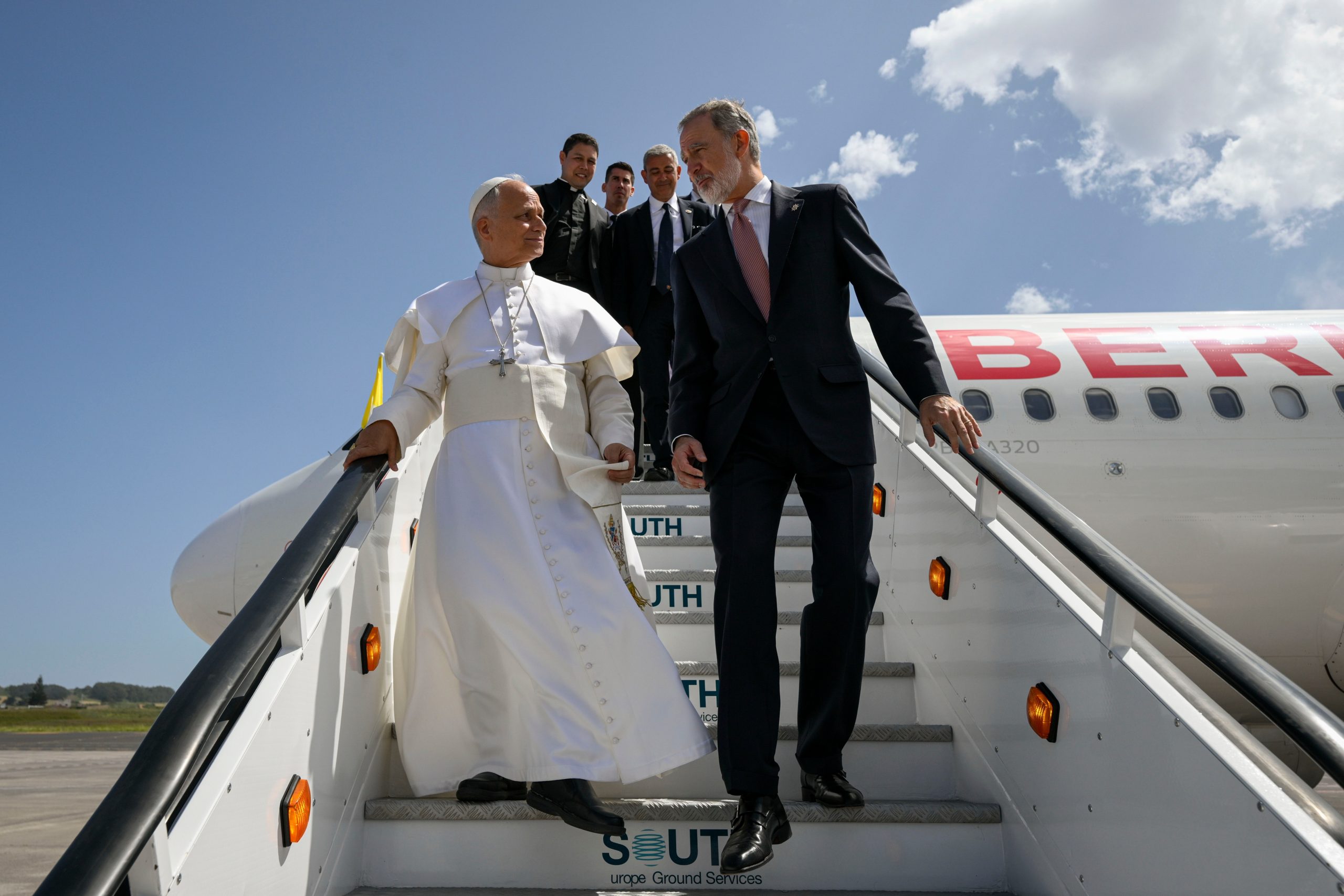
U.S. missionary who was kidnapped in Niger is released

Daftar Isi
American Missionary Freed After Months in Captivity in Niger
Ecorescuezone.com – Kevin Rideout, an American religious worker who disappeared from the streets of Niger’s capital city more than nine months ago, has been set free. The Christian organization SIM International made the announcement on Friday, confirming that the missionary is recovering well under the protection of American government representatives. While specific details regarding the circumstances of his release remain undisclosed, officials indicated that Rideout would soon be reunited with his loved ones.
A Long Wait for Closure
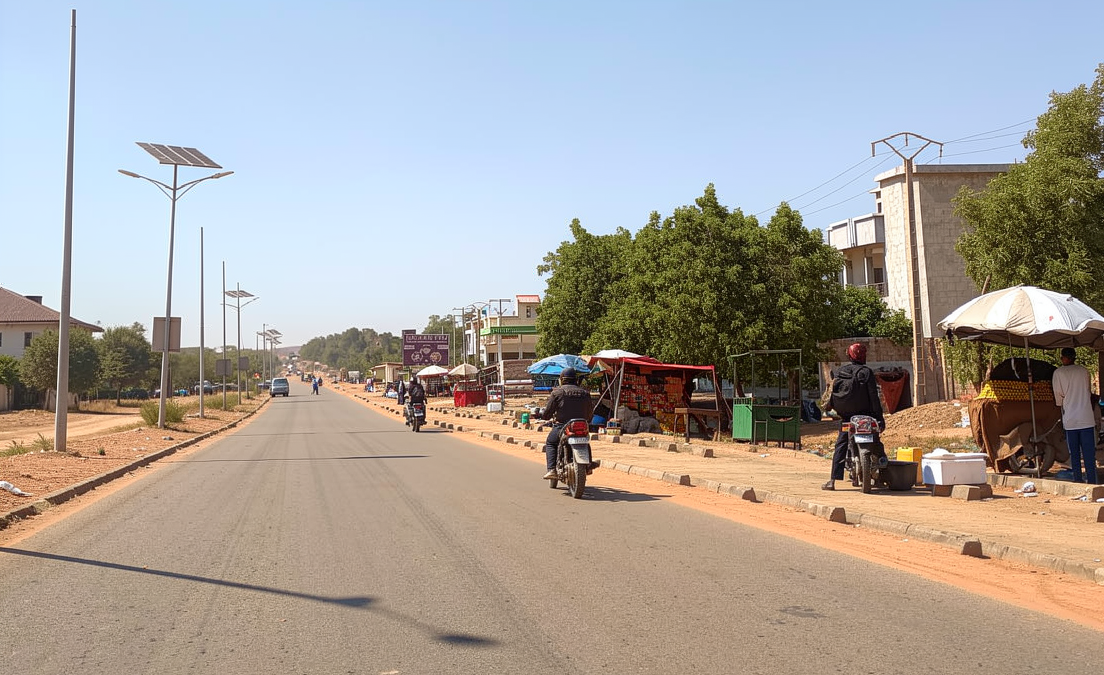
Rideout vanished on October 21, 2025, while traveling through Niamey, the bustling capital of this West African nation. His disappearance sent shockwaves through both the local community and the international missionary network. The timing of his abduction proved particularly significant, coming during a period of heightened instability in a country that has been grappling with persistent security challenges for years.
Although no organization has publicly claimed responsibility for taking Rideout, the region is home to several armed groups connected to both al-Qaida and the Islamic State. These jihadist factions have increasingly exploited the power vacuum created by political transitions to expand their influence across the Sahel region. The lack of an immediate claim does not necessarily indicate which group may have been involved, as some organizations prefer to remain silent during negotiations for prisoner releases.
Navigating Complex Diplomatic Waters
Niger’s relationship with Western nations has undergone a dramatic transformation since the military coup of 2023. The overthrow of the democratically elected government marked a turning point in the country’s foreign policy orientation, with the new junta adopting increasingly anti-Western positions. This shift has had profound implications for international partnerships, particularly in the security and defense sectors.
The United States responded to the changing political landscape by completing a withdrawal of hundreds of military personnel from a strategic airbase in Niger during 2024. This facility had served as a critical hub for counterterrorism operations across the region, and its closure represented a significant reduction in American military presence. However, the relationship has not completely deteriorated, as evidenced by recent developments in bilateral cooperation.
Renewed Security Partnership
Despite the diplomatic tensions, the United States and Niger have found common ground on shared security priorities. Earlier this year, Washington announced a substantial donation of $2.3 million in military equipment to the West African nation. This assistance package came after both governments reaffirmed their commitment to working together on regional stability.
“This assistance reflects our shared interest in countering terrorism, combating kidnapping for ransom, disrupting criminal networks, and strengthening regional security,” a statement from the U.S. Embassy in Niger said in May.
The embassy’s statement further emphasized that this support advances American national security interests by helping a key partner in the Sahel defend its territory and secure its borders. The mention of combating kidnapping for ransom is particularly relevant given Rideout’s situation, as ransom kidnappings have become increasingly common throughout the region.
Broader Regional Implications
The release of a foreign national from Niger carries significance beyond the immediate relief felt by Rideout’s family and colleagues. It demonstrates that despite the country’s anti-Western rhetoric, practical cooperation continues in areas of mutual interest. The fact that American officials were able to facilitate Rideout’s release suggests that channels of communication remain open between Washington and Niamey.
The Sahel region has experienced a surge in kidnappings targeting foreigners, with criminal networks and armed groups increasingly using abduction as a revenue source. These incidents have prompted international organizations to review their security protocols and operational strategies in the area. Rideout’s safe return provides a positive development for the missionary community and validates the effectiveness of diplomatic efforts in securing the release of captives.
Looking Ahead
While the U.S. State Department has not yet issued an official confirmation of Rideout’s release, the announcement from SIM International marks a significant milestone. The missionary’s good health and the promise of a family reunion offer hope that his ordeal is finally coming to an end. As Niger continues to navigate its complex relationship with Western nations, events like this one underscore the importance of maintaining practical partnerships even amid political tensions.
The broader implications of Rideout’s release extend to future security cooperation between the United States and Niger. With both sides demonstrating a willingness to work together on counterterrorism and kidnapping prevention, there is reason to believe that the foundation for continued collaboration remains strong. The $2.3 million in military equipment represents not just financial assistance, but a commitment to addressing the shared threats that affect both nations and the wider region.
Related Reading
Frequently Asked Questions
What is U S missionary who was kidnapped?
U S missionary who was kidnapped is the main topic of this guide. The article explains the context, practical details, and next steps readers should understand.
Why does U S missionary who was kidnapped matter?
U S missionary who was kidnapped matters because readers are looking for a useful answer, not just a short summary. Good content should match search intent and help them decide what to do next.