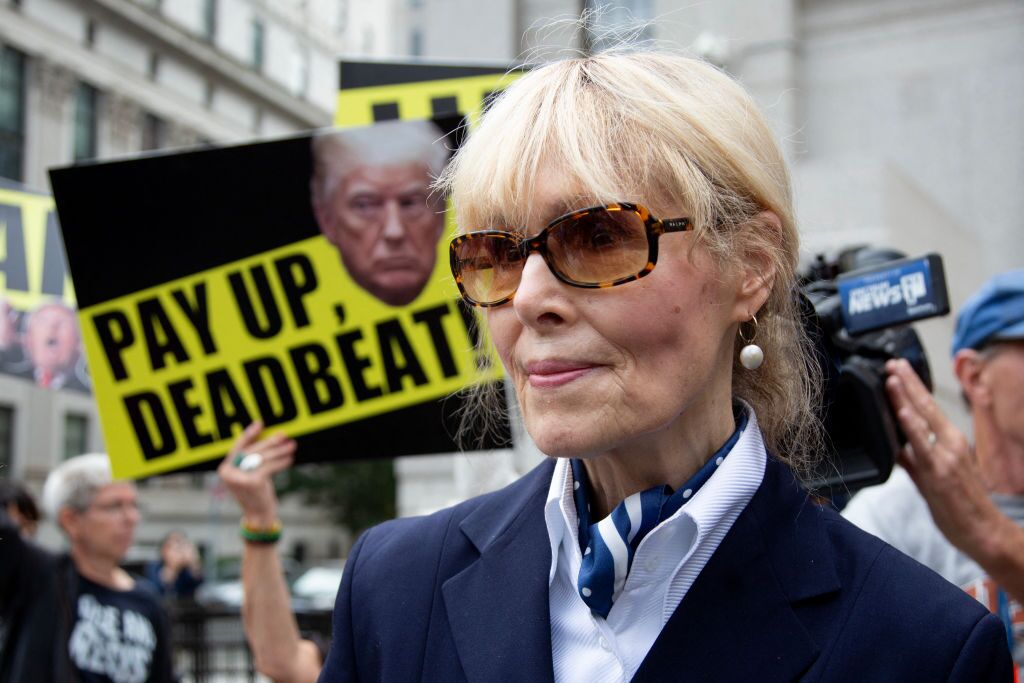
The Iran war and tariffs are costing farmers. Will Republicans pay in November?

The Iran War and Tariffs Are Costing Farmers
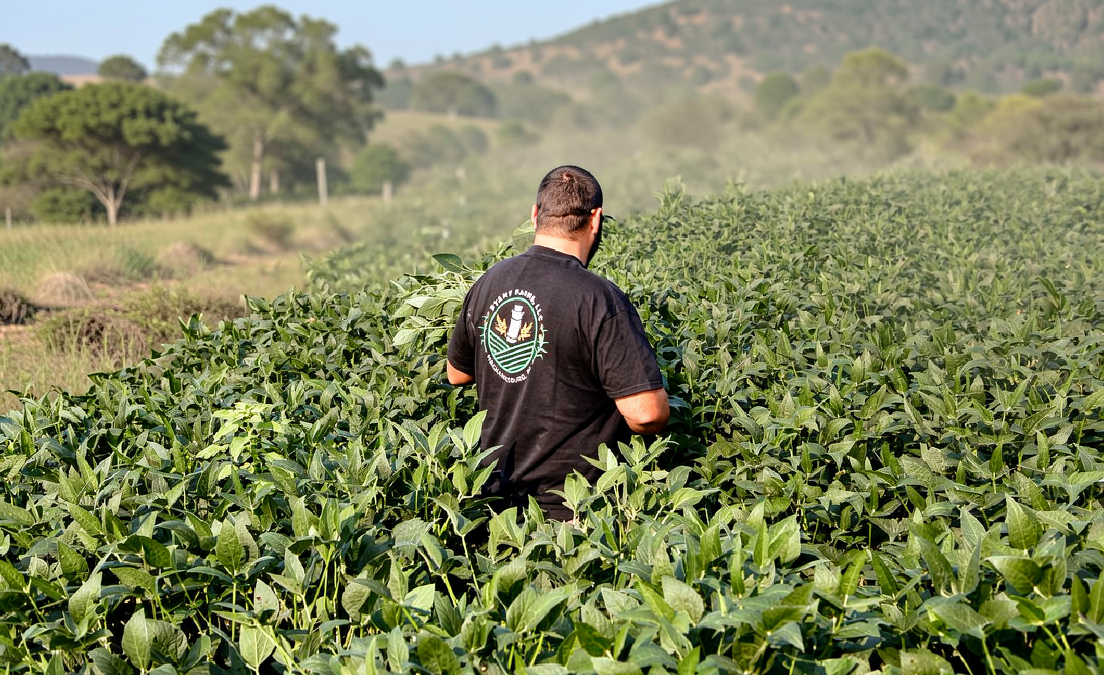
Ecorescuezone.com – In central Pennsylvania, soybean grower Ian Stamy is watching two forces collide on his fields: the Iran war and tariffs. Last year he earned the state prize for his soybean yield, pulling just over 100 bushels per acre from roughly 1,200 acres near Mechanicsburg. This season the weather has improved, though a record heat wave last month still casts a shadow over his harvest plans. What keeps him up at night, however, is not the sky above his crops but the price tags on fertilizer, diesel, seed, and chemicals — all of which have climbed sharply since the administration’s trade disputes shuttered key export lanes to Canada and China.
Rising Input Costs and a Shrinking Export Market
Stamy’s family ran a dairy operation for six generations; a painted cow still adorns one of his barns. In 2018 the economics broke, and he pivoted entirely to row crops. Now he describes two years of price volatility as “ridiculous.” “You think you’re heading in the right direction… and then something else happens, bombing or war, and then it changes the whole game,” he told NPR. China, the world’s largest soybean importer, has redirected purchases toward Brazil, which overtook the United States as the top global producer in 2017 and now supplies roughly 65 percent of Beijing’s soybean demand.
“You’re trying to look ahead at weather events and stuff like that. And then something else happens, bombing or war, and then it changes the whole game.” — Ian Stamy, soybean farmer, Mechanicsburg, Pa.
The American Farm Bureau Federation reports that farm bankruptcies spiked across much of the country in the year following the 2024 elections, even though farming-dependent counties had voted overwhelmingly for President Trump that November. An April 2026 survey of 974 farmers across 44 states, commissioned by Amato Advisors and fielded by Farm Journal, found that 78 percent ranked machinery, fertilizer, fuel, seed, or chemical costs among their top three worries. Ninety-four percent said the Iran war was pushing those costs higher. Fifty-five percent judged that federal policies over the preceding year had hurt their operations, compared with just 19 percent who said the policies had helped.
Will the Farm Vote Shift in November?
Perhaps the most consequential finding for Republicans: 39 percent of surveyed farmers called themselves “persuadable” heading into the 2026 midterms — open to voting for another party, an independent, a third-party candidate, or simply staying home. That sentiment mirrors a broader rural disillusionment captured in a March poll by the Center for Rural Strategies.
Berwood Yost, director of the Center for Opinion Research at Franklin & Marshall College in Lancaster, Pennsylvania, frames the farm vote as a barometer for working-class economic anxiety beyond agriculture. “They’re unlikely to do an about-face,” Yost says, “but on Election Day, they could just stay on the farm.” Clinton Griffiths, executive director of Farm Journal, adds that growers are exhausted by being treated as political pawns — courted before every election, then abandoned afterward, by both parties.
Because farmers now represent fewer than two percent of the U.S. population — roughly one-third of the share who farmed in 1960 — their aggregate vote share is small. Yet in razor-thin districts like Pennsylvania’s 10th, which encompasses the Harrisburg and Mechanicsburg corridors, even a modest shift among agricultural households could decide the seat held by incumbent Republican Rep. Scott Perry, who defeated Democratic challenger Janelle Stelson in 2024 by the narrowest of margins.
Frequently Asked Questions
How are tariffs affecting soybean farmers specifically? Tariff-driven trade disputes have curtailed U.S. agricultural exports to Canada and China. China has shifted soybean purchases to Brazil, which now fulfills about 65 percent of its import demand, squeezing U.S. growers on both price and volume.
What does the Iran war add to farm costs? According to the April 2026 Farm Journal/Amato Advisors survey, 94 percent of respondents said the conflict is increasing their operating costs, primarily through higher fuel and fertilizer prices tied to global energy and shipping disruptions.
Are farmers likely to change their voting behavior in 2026? Thirty-nine percent of surveyed farmers described themselves as persuadable. Experts caution that outright defection is unlikely, but non-vote rates among rural households could rise enough to matter in close races.
How large is the farming electorate today? Farmers constitute less than two percent of the U.S. population, down to about one-third of their 1960 share. Their influence is therefore concentrated in a small number of competitive districts rather than spread nationally.