At least 98 killed and hundreds missing after flash floods in Nepal and China

Daftar Isi
Border Region Devastated as Glacial Flood Wave Sweeps Through Nepal and Western Tibet
Ecorescuezone.com – UDIN DHUNGA, Nepal — A catastrophic flood wave, likely born from a glacier collapse high in the Himalayan watershed, tore through communities straddling the Nepal–China border on Wednesday, killing at least 98 people and plunging hundreds of trekkers, workers, and pilgrims into uncertainty as roads vanished and rivers swelled beyond their banks. The disaster struck during peak monsoon season, when the steep valleys that serve as the region’s primary economic arteries become extraordinarily vulnerable to sudden hydrological surges.
Death Toll and Missing Persons
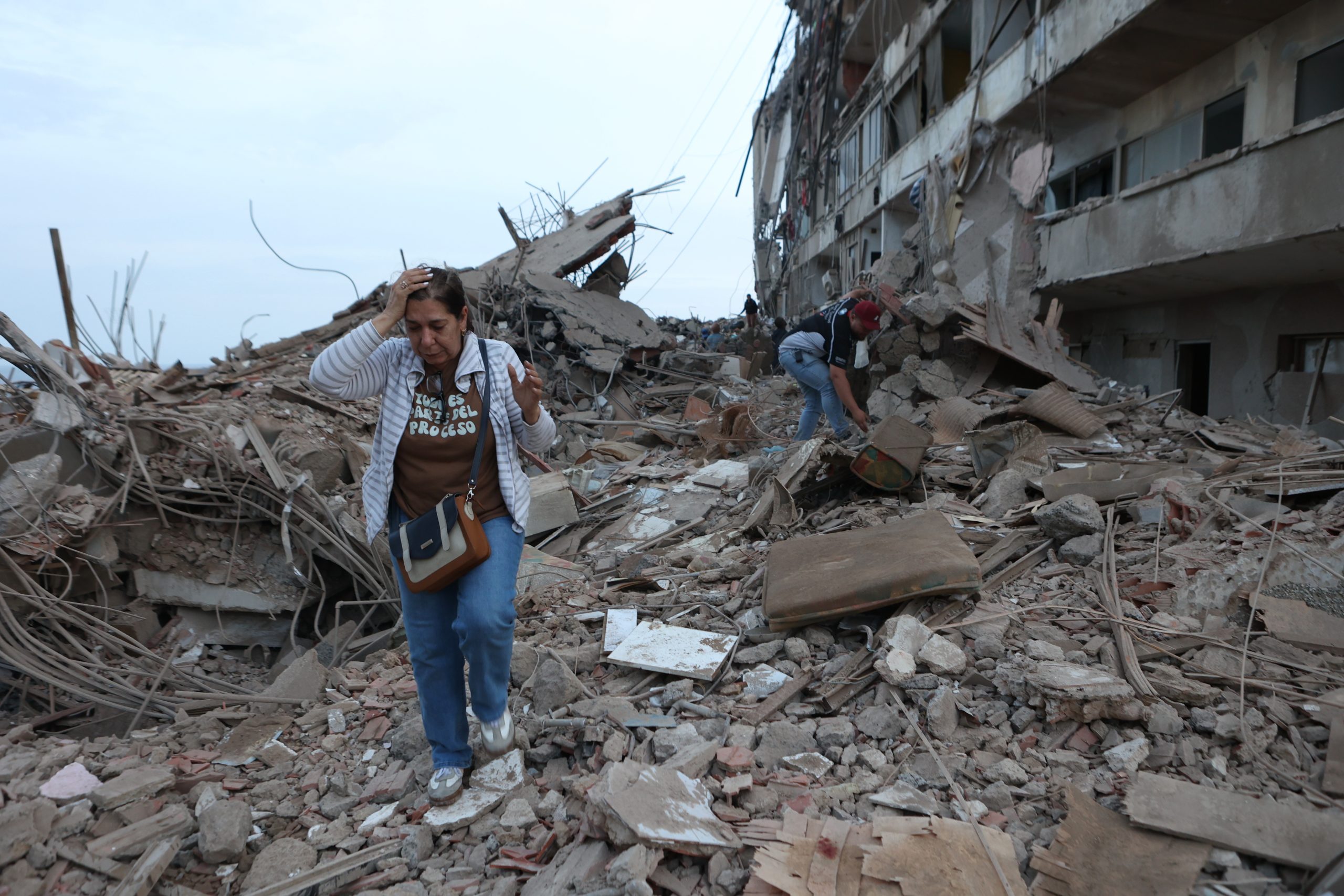
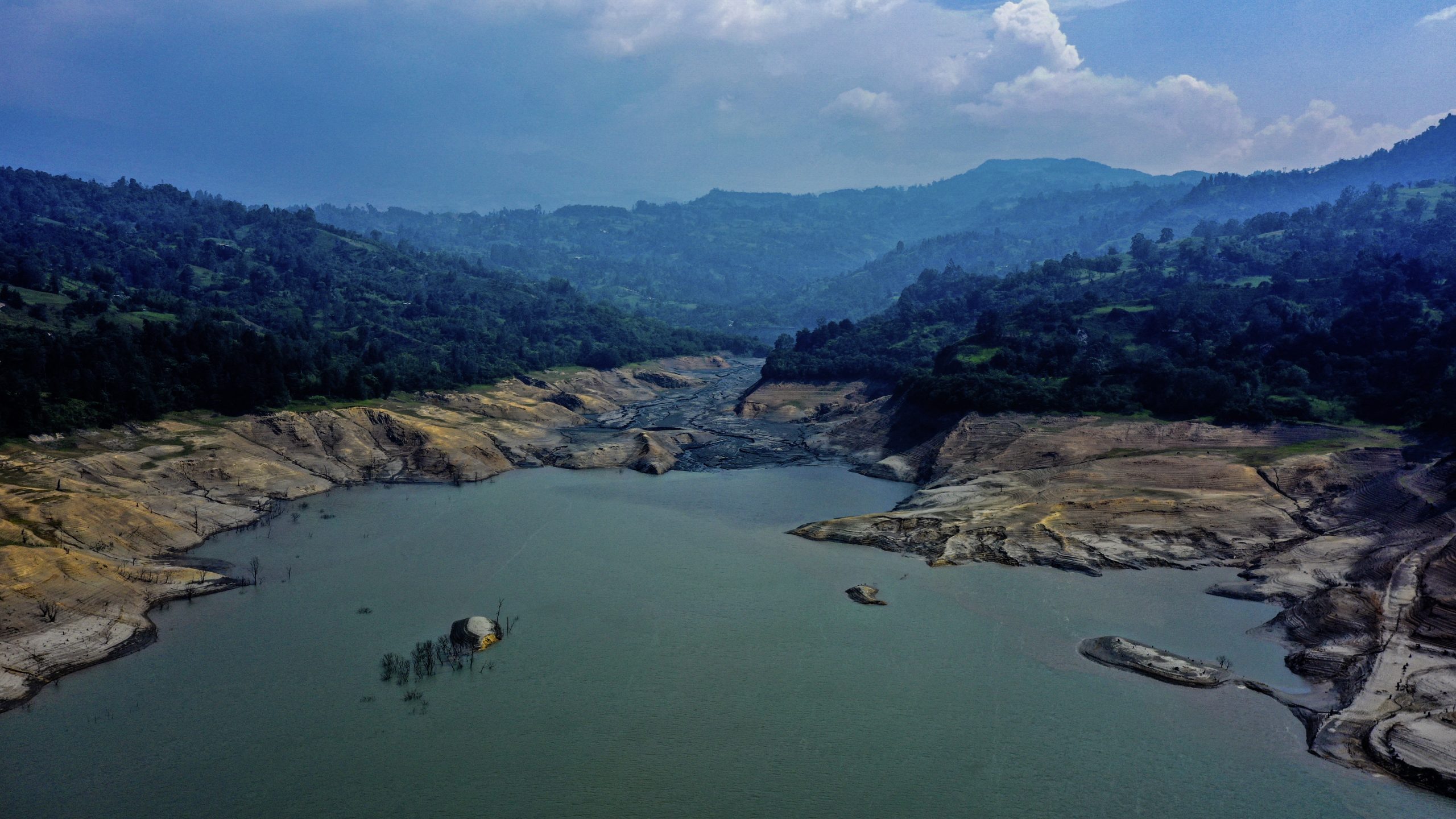
Nepal’s prime minister’s office confirmed at least 95 fatalities within its borders. Across the frontier, China’s state broadcaster CCTV announced that a mudslide in Gyirong County, Tibet autonomous region, claimed at least three lives and left 265 people unaccounted for. Drone imagery captured roads reduced to rubble and entire structures swallowed by sediment. State news agency Xinhua confirmed substantial casualties in the affected zone.
In Nepal, authorities tallied 403 missing individuals, of whom 341 were foreign nationals. Sunil Sharma, a spokesperson for the national tourism board, broke down the foreigner count: 133 Indian pilgrims en route to Mount Kailash in Tibet — a site of profound religious significance for Hindus — along with 47 Americans, 34 Australians, 33 British nationals, and 24 Canadians. At least 62 Nepali citizens were also missing, many of them local residents trekking near Gosaikunda Lake in Rasuwa district at the time of the flood, which coincided with the Janai Purnima festival observed on Friday. Nepal police spokesperson Abi Narayan Kafle confirmed that at least 28 uniformed officers were among those unaccounted for.
Scale of Destruction
The physical devastation was immediate and total in the hardest-hit areas. In Nuwakot district, photographs showed what appeared to be second-floor levels of homes coated in thick mud after the torrent passed through. Branches and overhead wires sagged under accumulated debris; vehicles lay buried beneath silt; survivors stood dazed, their skin caked in grey-brown sediment. Officials urged residents across several districts to keep clear of the banks of the Bhotekoshi, Trishuli, and Narayani rivers. The Bhotekoshi breached its banks around 9 a.m. local time on Wednesday, obliterating multiple villages, transport corridors, and hydropower installations in its path.
“We have asked both India and China to help us with the rescue efforts,” government spokesperson Sasmit Pokharel told reporters.
International Response
Indian Prime Minister Narendra Modi held a telephone conversation with Nepal’s Prime Minister Balendra Shah and pledged full cooperation. Speaking on social media, Modi stated:
“India is prepared to provide Nepal with all possible types of humanitarian assistance. Our teams are closely coordinating on rescue and relief efforts.”
Australia, Britain, the European Union, Finland, France, Norway, and Switzerland issued a joint statement expressing solidarity with affected communities. The communique urged all persons in impacted zones to heed local authorities and official safety advisories as conditions continued to shift.
South Korean government officials confirmed that nine citizens employed at a hydropower construction site in Nepal were among the missing. Malaysia’s foreign ministry relayed reports from travel agencies indicating that 11 Malaysians believed to be in Rasuwa district had lost contact. Russia’s embassy in Kathmandu said four of its nationals reportedly in the affected zone were unaccounted for.
Geological and Meteorological Triggers
The U.S. Geological Survey recorded a magnitude 4.4 earthquake early Wednesday, roughly 100 kilometers (60 miles) north of Kathmandu, near the Tibetan border. While the quake alone was unlikely to generate a flood of this scale, it may have destabilized already-saturated slopes and glacial margins.
Climate scientists at the Kathmandu-based International Centre for Integrated Mountain Development assessed that an avalanche of ice and rock from a glacier most probably initiated the flood wave. In an emailed statement, the centre noted that hydrological monitoring recorded an exceptional velocity and volume of water. At one gauge station on the Trishuli river, levels surged by as much as nine meters (27 feet) within thirty minutes.
Saswata Sanyal, a disaster risk reduction specialist affiliated with the climate research group, explained the mechanism:
“The Lhende Khola has flooded twice in 14 months, we have asked both India and China to help us with the rescue efforts, this time triggered by an ice rock avalanche from a glacier on the Nepal side that blocked the river and released a sudden surge downstream.”
The Lhende Khola, a tributary feeding into the Bhotekoshi system, experienced its maximum recorded flooding event, Sanyal said. He emphasized the critical importance of early-warning systems in what he termed “a warming Himalaya,” where glacial retreat and permafrost thaw are accelerating the frequency of such events.
Precedent and Broader Implications
This disaster does not occur in isolation. In August of the previous year, a glacial lake in western Tibet overflowed amid elevated temperatures, killing nine people and damaging critical infrastructure, including a bridge linking Nepal and China. The recurrence within a single monsoon cycle underscores a pattern that mountain-region planners have long warned about: as the cryosphere destabilizes, the interval between catastrophic flood events is compressing.
The timing also carries economic weight. Although the current monsoon window is generally unfavorable for general trekking in Nepal, it represents the principal season for the Kailash pilgrimage circuit in Tibet, which traces a corridor through Rasuwa district along the Gyirong border. Hundreds of pilgrims and support staff are therefore concentrated in precisely the valleys where glacial outburst floods propagate with little warning. The convergence of seasonal tourism, ongoing hydropower development, and accelerating glacial instability makes the western Nepal–Tibet corridor one of the most exposed high-mountain zones on the planet.
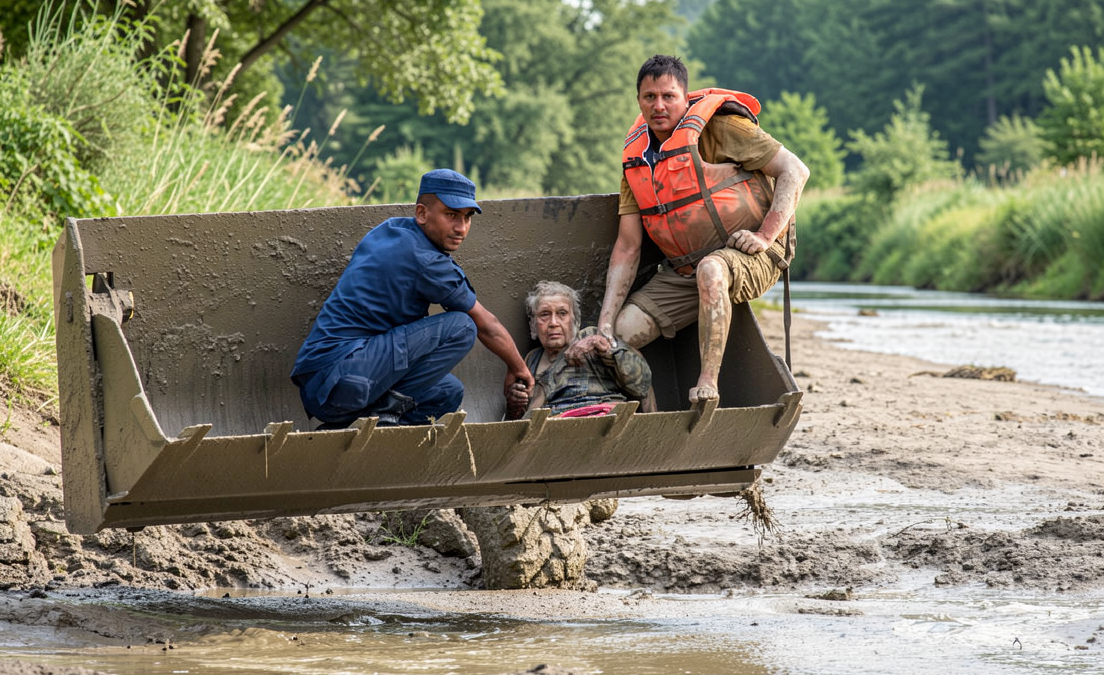
Rescue operations continued through Wednesday evening, hampered by destroyed access routes and ongoing river flooding. Authorities in both countries indicated that the final death toll and missing-person count would likely rise as search teams reached isolated hamlets cut off from road networks.
Related Reading
Frequently Asked Questions
What is At least 98 killed and hundreds?
At least 98 killed and hundreds is the main topic of this guide. The article explains the context, practical details, and next steps readers should understand.
Why does At least 98 killed and hundreds matter?
At least 98 killed and hundreds matters because readers are looking for a useful answer, not just a short summary. Good content should match search intent and help them decide what to do next.