Russia’s jet-powered drones bring empty Kyiv supermarket shelves and rattle Ukrainians

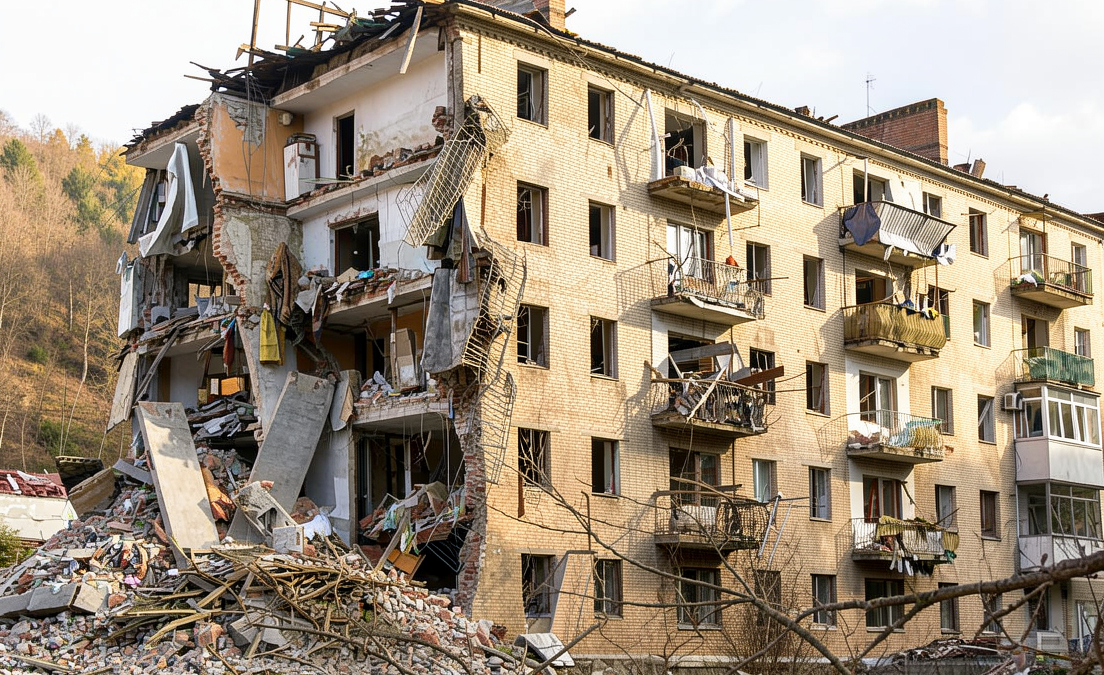
Russia’s Jet-Powered Drones Empty Kyiv Shelves
Ecorescuezone.com – By Monday morning, black smoke still clung to the skyline over Ukraine’s capital, and shoppers in several districts found nothing but bare wooden racks where packaged groceries should have been. The cause was not one spectacular blast but a grinding, repetitive pattern: Russia’s jet-powered drones had struck warehouses and distribution nodes across the Kyiv region for a fifth straight day, severing the thin supply lines that keep urban shelves stocked.
The escalation represents a sharp step-up in aerial bombardment more than four years after Moscow launched its full-scale invasion. Air-raid sirens have become a near-constant backdrop to life in and around the capital, fracturing sleep, commuting, and the rhythms of ordinary commerce. The human toll has been severe: two large-scale strikes in July claimed nearly 50 civilian lives, and a single Saturday attack killed at least 38 people.
Why Jet-Propelled Drones Are Harder to Stop
Ukrainian President Volodymyr Zelenskyy acknowledged publicly on social media late Sunday that his country is struggling to keep pace with the faster, harder-to-intercept jet-propelled drones Russia is deploying in growing numbers. Between Thursday and Sunday, Moscow launched almost 1,500 drones at Ukrainian territory; roughly 800 of those carried jet propulsion rather than the slower propeller or fixed-wing designs seen earlier in the war.
“Right now, Russia’s tactic is to wear down Ukraine and Ukrainians — first and foremost, our people,” Zelenskyy wrote.
Combat aircraft are currently tasked with intercepting the jet-powered variants while Ukrainian engineers race to field dedicated countermeasures. Zelenskyy disclosed that four domestic companies have developed interceptor drones aimed at the new threat, and that one of them has achieved the most promising results so far. He offered no further technical detail.
Food Logistics Under Fire
The repeated targeting of food distribution centers and retail logistics hubs has created visible gaps on supermarket shelves across the capital region, stoking public anxiety about whether winter staples will remain available. In Brovary and Boryspil, two cities in the Kyiv oblast, Monday’s strikes hit several warehouses and left four people wounded, according to Tymur Tkachenko, head of the regional military administration.
Ukrainian presidential adviser Serhii Beskrestnov moved quickly to counter the panic. Posting on social media Monday, he declared that Ukraine will not go hungry and urged citizens not to amplify rumors or disinformation. He explained that producers and retailers are actively restructuring their supply chains to route around damaged nodes, and that European partner countries stand ready to backfill any food-supply shortfall should domestic logistics remain disrupted for an extended period.
The concern is understandable in context: Kyiv’s metropolitan area depends on a dense web of cold-storage warehouses and last-mile distribution centers, many of which sit within range of short-range drones. When several are knocked out simultaneously, the effect cascades into retail within hours, even if total national production capacity remains intact.
Winter Grid Attacks and the Chernihiv Overnight Strike
Parallel to the food-supply pressure, Russia has sustained its campaign against Ukraine’s power grid, aiming to leave millions without heating or running water as temperatures drop. Moscow’s Defense Ministry announced Sunday that it is preparing what it called “massive strikes” on Ukrainian energy infrastructure.
That warning materialized overnight in the northern Chernihiv region, which shares a border with Russia. Officials described a large-scale drone assault that damaged an energy facility. Viacheslav Chaus, head of the Chernihiv regional military administration, confirmed the strike but declined to specify the extent of the damage.
Ukraine Strikes Back; Belgorod Pays the Price
Kyiv has not limited itself to defense. Ukrainian forces have deliberately targeted major Russian online retail operations and oil-processing facilities, seeking to transmit the economic friction of war to civilians on the other side of the front. Those strikes have produced shortages in Russian consumer markets, though they have not matched the civilian death tolls inflicted on Ukrainian cities.
Sunday evening brought a Ukrainian missile strike on the Russian border city of Belgorod, killing three people, acting regional governor Alexander Shuvayev confirmed. Meanwhile, Moscow’s Defense Ministry reported Monday that Russian air defenses shot down 239 Ukrainian drones over 14 Russian regions, occupied Crimea, and other territories under Russian control.
Frequently Asked Questions
Why are jet-powered drones harder to intercept than earlier types? Their higher speed and lower altitude profile give air-defense units less reaction time, and their jet engines produce a smaller radar cross-section at short range compared with larger propeller-driven platforms.
Will supermarket shortages in Kyiv last through winter? Adviser Beskrestnov said producers and retailers are rerouting supply chains around damaged nodes and that European partners have pledged to backfill any shortfall. Officials stressed that national production capacity remains intact; the disruption is logistical, not agricultural.
What is Ukraine doing to counter the new drone threat? Four domestic companies have built interceptor drones specifically designed to engage jet-propelled targets. Zelenskyy said one program has shown the most promising results to date, though he withheld technical specifics.
How many drones did Russia launch in the latest wave? Between Thursday and Sunday, almost 1,500 drones were fired at Ukrainian territory, of which roughly 800 used jet propulsion.