U.S., Venezuela strike oil deal. And, the staggering hidden toll of U.S. heat deaths

Daftar Isi
America’s New Oil Bet in Venezuela, and the Quiet Crisis of Heat Deaths No One Counts
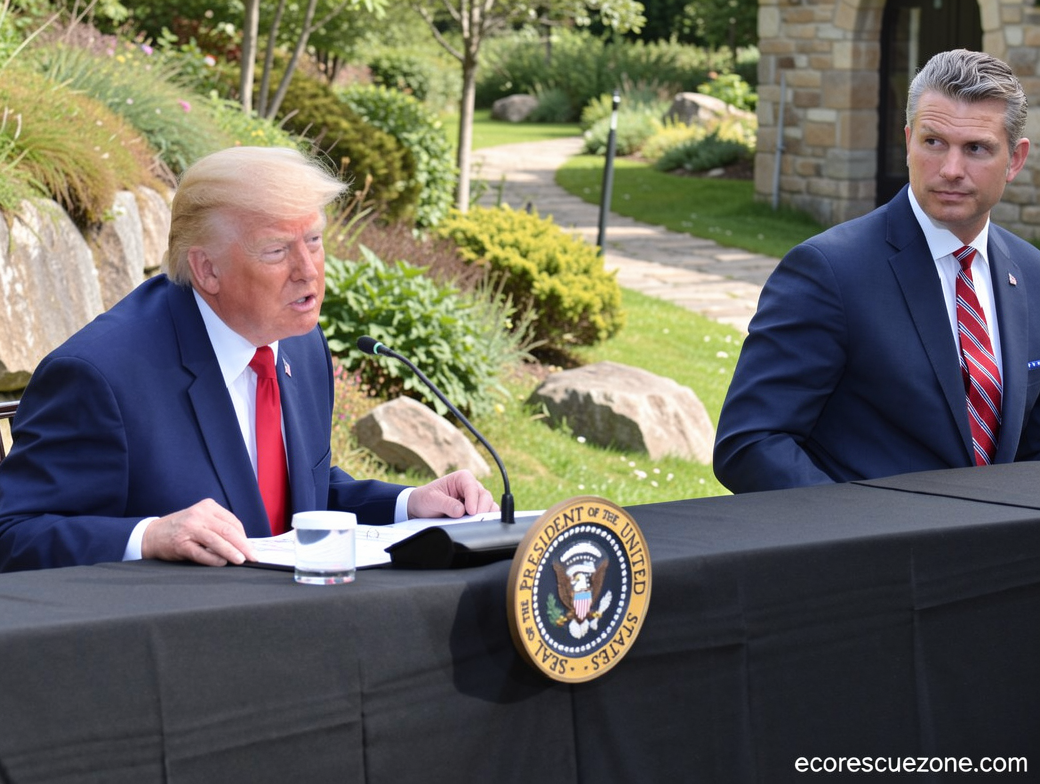
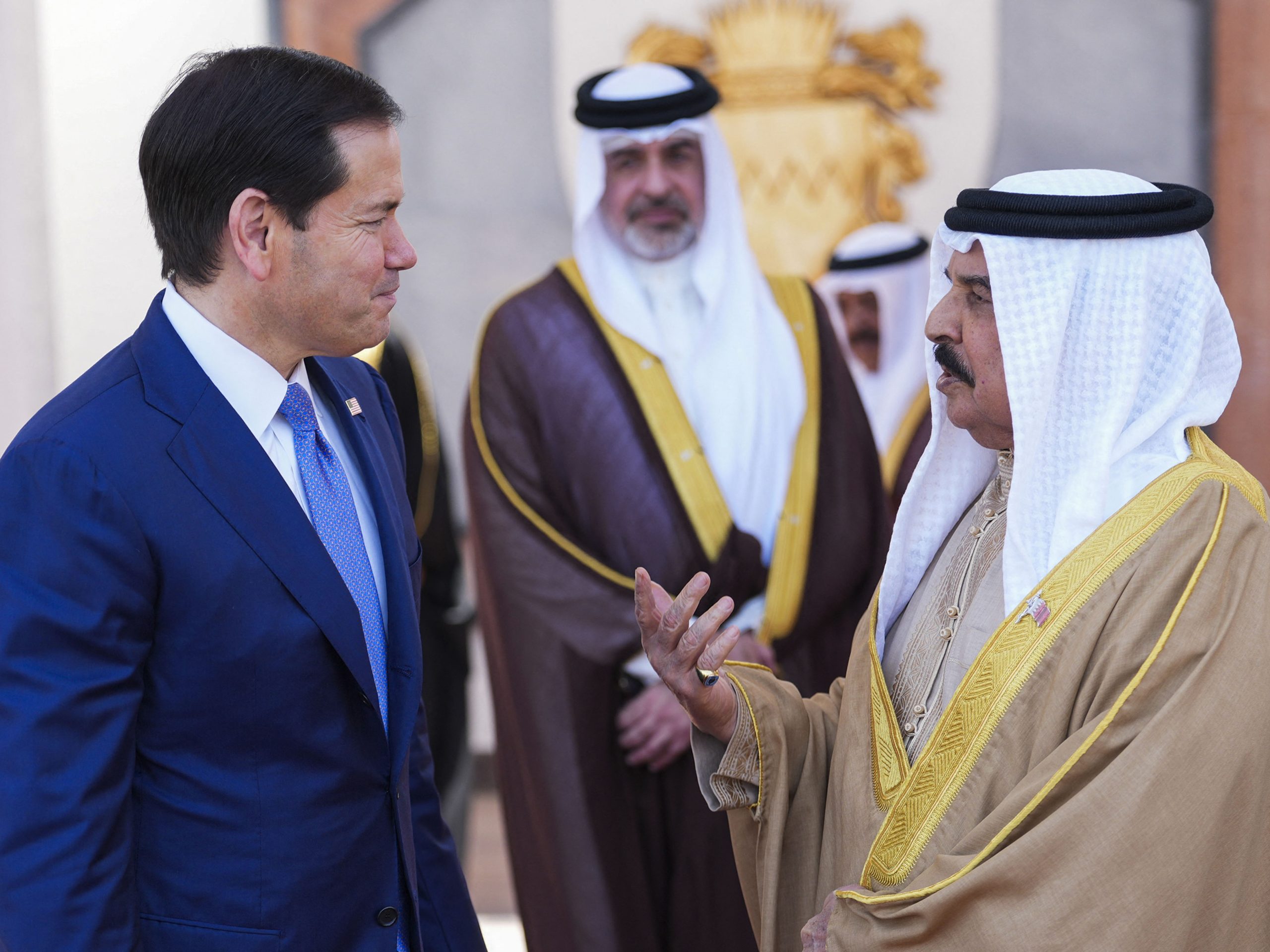
Ecorescuezone.com – The Trump administration has formalized a sweeping energy partnership with Caracas, locking in American access to what officials estimate at roughly 65 billion barrels of Venezuelan crude. Under the arrangement, Washington will claim a 55 percent share of production from a joint venture structured around a private Venezuelan company. An administration official, speaking on condition of anonymity because public comment on the deal had not yet been cleared, confirmed the framework to reporters. President Trump framed the agreement as a direct lever on domestic gasoline prices, though several energy analysts have pushed back, noting that translating a production-share deal into lower pump prices depends on variables the administration has not addressed.
The timing is pointed. Venezuela has long operated under U.S. sanctions that constrained its ability to sell crude on open markets, and the prospect of those restrictions being reimposed looms over any new investment. For a country whose economy remains overwhelmingly dependent on petroleum exports, the deal represents both a lifeline and a dependency — one that concentrates enormous leverage in Washington’s hands over how, when, and to whom Venezuelan barrels flow.
Shots Across the Strait
Less than a week after U.S. Central Command declared the international shipping lanes through the Strait of Hormuz clear of Iranian sea mines, the two sides exchanged fire again — the first direct engagement in roughly a month. Iran’s Islamic Revolutionary Guard Corps announced that a U.S. drone strike killed several of its personnel stationed on Larak Island, a small outpost sitting at the strait’s narrowest chokepoint. Tehran answered by targeting American military installations in Jordan.
The Pentagon said it struck Iranian launch sites after intelligence indicated forces were preparing to deploy additional mines into the waterway. The episode underscores how fragile the strait’s reopening remains: a single miscalculation or unannounced deployment can reignite a standoff that threatens roughly one-fifth of global oil transit.
One Week to Keep the Lights On
The House of Representatives reconvenes today for a single session with one overriding objective: pass a funding measure before the current authorization expires at the end of September. The Senate has already approved the bill, making the chamber vote the final procedural step. If it passes, the stopgap keeps federal agencies operating through December — a window that spans the midterm elections, a period in which a shutdown would hand opponents a potent political narrative. Failure to act would mean furloughs, suspended services, and a government that, in practical terms, stops functioning for weeks.
Flash Floods in the Grand Canyon
At least 15 people remain missing after Saturday’s sudden, violent flooding carved through the Grand Canyon’s inner corridors. The Arizona Department of Public Safety and the National Park Service together evacuated no fewer than 62 visitors and staff from Phantom Ranch and the lower North Kaibab trail, moving them to the South Rim. The Black Bridge and Silver Bridge — both spanning the Colorado River — were destroyed, and nearly every footbridge crossing Bright Angel Creek was swept away. Multiple trail segments have been closed pending structural assessments.
The event is a reminder that canyon flash floods, driven by rain falling miles upstream, can arrive with minutes of warning and turn a dry wash into a wall of water carrying boulders and debris. Summer visitors who underestimate the speed of that water face a genuine survival risk.
The Hidden Arithmetic of Heat
Alejandra Borunda, a climate-and-health reporter on the national desk, spent two years building what she calls a “staggering” correction to the official record of American heat deaths. Before returning to journalism, Borunda trained as a climate scientist, and the question that kept surfacing from sources — no one actually knows the true scale of climate-driven mortality — became the spine of her investigation.
Working alongside researchers at Boston University, her team developed a statistical model estimating how many deaths across the United States each year are influenced by elevated temperatures. The result: heat kills nearly five times more people than official mortality statistics capture. The gap exists because heat deaths are rarely coded as such on death certificates; they surface instead as cardiac events, respiratory failures, or kidney complications in elderly or outdoor workers, and the heat link goes unrecorded.
To ground-truth the model, Borunda went into the field. She sat in stiflingly hot mobile homes in Arizona, searched for pockets of shade alongside unhoused residents in California, and listened to people describe dying slowly in temperatures that official advisories had not yet flagged. The work reframes a statistical question into a human one: millions of Americans are exposed to lethal heat each summer, and the infrastructure, policy, and counting systems have not caught up.
The implications extend beyond public-health bookkeeping. If the true death toll is fivefold, then the economic cost of inaction on heat-resilience measures — shaded transit stops, cooling centers, updated building codes, early-warning systems — looks dramatically different when the denominator is corrected. It also complicates any political argument that climate impacts are still hypothetical or distant; they are already embedded in hospital admissions and coroner’s offices, invisible to the metrics that guide budget decisions.
A Small Note on Fertility
For readers navigating the often-stressful path toward conception, a new comic-style guide outlines seven evidence-backed lifestyle adjustments that can support fertility in both partners. Factors from medical history and genetics to hormonal balance and sheer probability all intersect, and the guide aims to separate actionable steps from noise. A companion episode on NPR’s Life Kit podcast and a separate resource for expectant and new mothers round out the practical advice.
Related Reading
Frequently Asked Questions
What is U S Venezuela strike oil deal?
U S Venezuela strike oil deal is the main topic of this guide. The article explains the context, practical details, and next steps readers should understand.
Why does U S Venezuela strike oil deal matter?
U S Venezuela strike oil deal matters because readers are looking for a useful answer, not just a short summary. Good content should match search intent and help them decide what to do next.