
Cats or dogs? In East Asia, more people are becoming feline fans
Cats or Dogs? In East Asia, More People Are Becoming Feline Fans
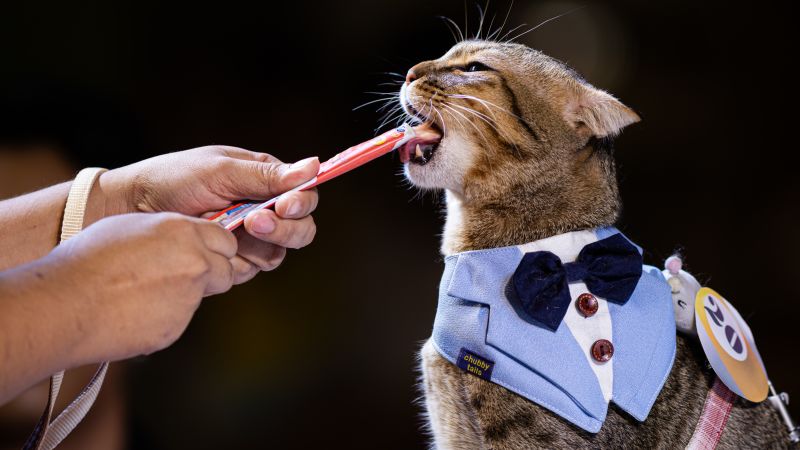
Cats or dogs In East Asia – For decades, the debate between cat lovers and dog enthusiasts has been a staple of casual conversation. Yet in recent years, the balance has shifted dramatically in East Asia. A growing number of individuals in the region are favoring cats as their preferred companion animals, driven by lifestyle changes and cultural shifts. This trend has become particularly notable in Taiwan, where the number of pet cats surpassed that of dogs for the first time in 2025, according to a government report. The population of feline companions there climbed from 1.3 million in 2023 to 1.7 million by the end of 2025—a surge of nearly 33%.
A Cultural Shift in Urban Living
The phenomenon is not limited to Taiwan. Mainland China witnessed a similar pattern in 2021, with cats gaining traction in cities where space is scarce and schedules are hectic. Japan, often cited as the pioneer of this trend, saw cats overtake dogs a decade ago, setting the stage for a broader regional transformation. Even in areas where dogs remain more common, such as South Korea and Hong Kong, the appeal of cats is growing. These regions share commonalities: densely populated cities, small living spaces, and fast-paced lifestyles that leave little room for the demands of dog ownership.
“Cats are more convenient in a city setting,” said Ellen Chung, a Hong Kong resident who shared her thoughts with CNN at a bustling cat café. “You don’t have to take them for walks every day, and some people are afraid of dogs.” Her comment reflects the practical considerations that many urban dwellers face. With limited time and space, cats offer a low-maintenance alternative to dogs, which require frequent outdoor exercise and more attention. The rise in cat adoption rates has also been linked to increasing loneliness among city residents, as solitary lives become more common in bustling metropolises.
The Rise of Feline Popularity
The cultural context in Japan provides a striking example of how cat appeal has taken root. The iconic Hello Kitty, a cartoon character created in 1974, has become a global symbol of feline affection, contributing to Japan’s status as a cat-centric society. The country also boasts several “cat islands” with large feral cat populations, which have transformed into popular tourist attractions. Meanwhile, in South Korea, the preference for cats has evolved rapidly since the onset of the COVID-19 pandemic. A 2025 report by KB Financial Group noted a sharp rise in cat ownership, attributed to the ease of indoor care and reduced outdoor activities during lockdowns.
South Korea’s historical aversion to cats, once associated with ill fortune or evil spirits, has gradually faded. For years, dogs were the dominant choice for pets, but this dynamic is changing. Veterinarians and animal experts, like Beijing Gong Su-hyun, who works at a cat adoption center in Hwaseong, South Korea, have observed a notable uptick in cat adoptions and volunteer interest. “The demand for cats is increasing,” she remarked. This shift underscores a broader societal transformation, where cats are no longer seen as mere utility animals but as companions that fill emotional needs.
Urbanization and the Decline of Birth Rates
Parallel to the rise in cat ownership, East Asia has experienced a significant decline in birth rates, a trend that has sparked concern among governments. In many cases, the decision to have a pet mirrors the choice of having a child, as both provide companionship and emotional fulfillment. Paul Wong, a clinical psychologist and associate professor at the University of Hong Kong, highlighted this connection. “People are choosing pets over children now, which is a reflection of the challenges in city life,” he explained. The pressures of urban living, including hyper-competitive job markets and high living costs, have made cats a more practical option for younger generations.
Across China, Japan, and South Korea, demographic changes have reshaped social norms. Younger populations are increasingly moving from rural areas to urban centers in search of employment, leaving behind depopulated villages and aging populations. This migration has altered family structures and social expectations, with many individuals delaying marriage or parenthood. China’s excessive work culture, for instance, drew criticism from its top court in 2021, which highlighted the toll of long working hours on personal life. Japan, too, has its own term for “death by overwork,” illustrating the deep integration of work stress into daily life.
Joe Ngai, an assistant professor at Hong Kong Shue Yan University, pointed out that these urban pressures have made cats a more suitable companion. “Cats adapt well to indoor environments and don’t need daily walks, making them ideal for busy schedules,” he said. The shift from viewing animals as utilitarian tools to seeing them as emotional allies is evident in the way people now prioritize pets for their companionship value. This trend is especially pronounced in places like Hong Kong, where the cost of living is high and time is a precious commodity.
The Broader Implications
As East Asian cities continue to expand, the demand for pets that fit urban lifestyles is likely to grow. The region’s demographic and social changes—such as the aging population and the shrinking number of young families—have created a niche for pets that require less time and space. In some cases, the number of pets in China may soon exceed that of toddlers, a sign of the evolving relationship between humans and animals. This shift is not just about convenience; it reflects a deeper cultural reevaluation of what it means to have a companion in an increasingly isolated world.
Experts suggest that the increasing popularity of cats is part of a larger pattern of urbanization and changing priorities. With fewer people opting to marry or have children, pets are filling the void. The emotional support provided by cats, combined with their adaptability to urban settings, makes them a compelling choice. As the region’s cities grow denser and lifestyles become more demanding, the feline population is expected to continue rising, further altering the dynamics of pet ownership in East Asia.
While the trend is clear, its long-term impact remains to be seen. Some argue that this shift could lead to a new era of pet-centric living, where cats are not just pets but integral members of households. Others see it as a temporary response to urban stress, with the possibility of a future resurgence in dog ownership. Regardless of the outcome, the growing affection for cats in East Asia highlights a significant change in how people connect with the animal kingdom in the modern age.
