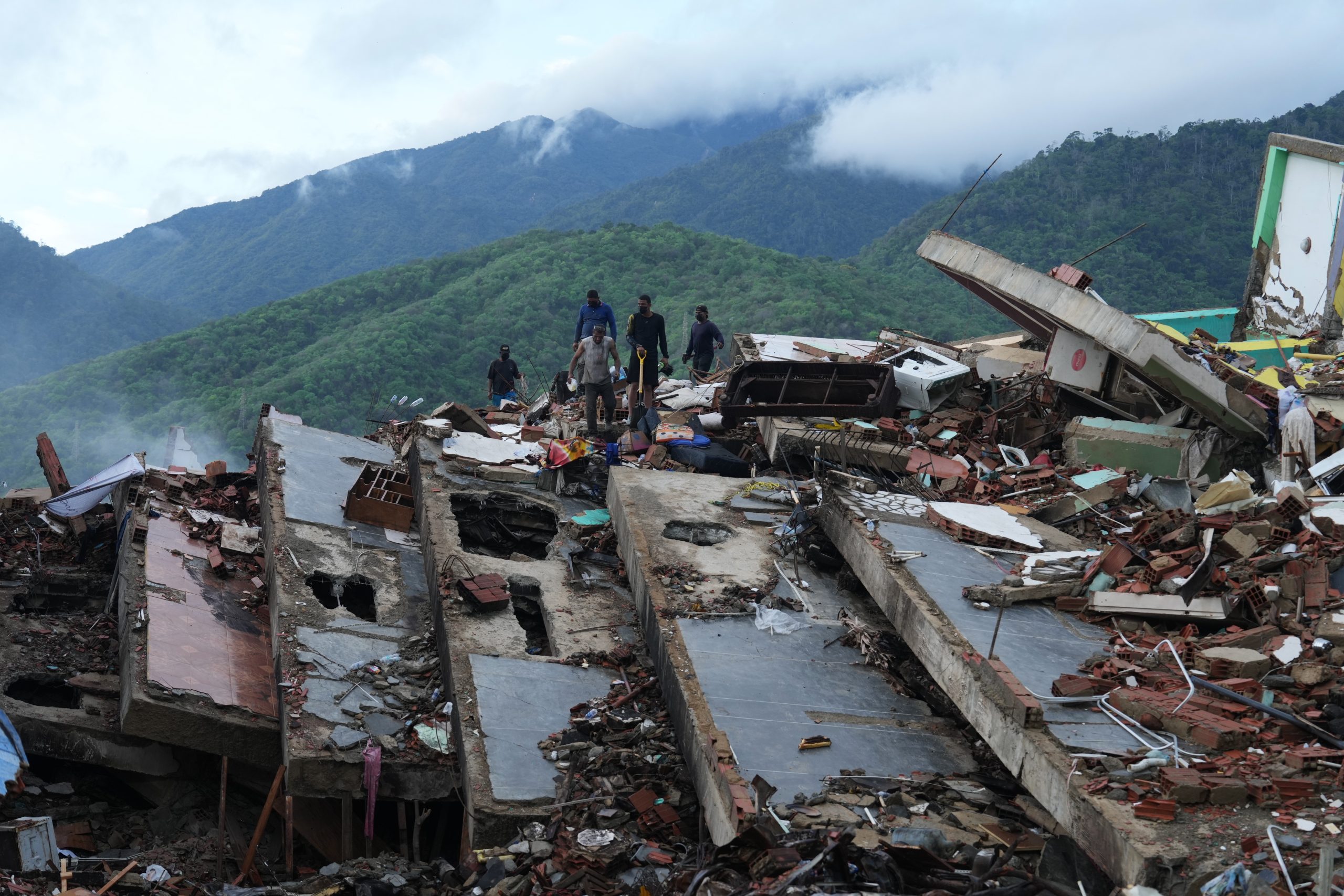
What to know about Canada’s escalating trade war with the U.S.

Daftar Isi
Canada’s $20 Billion Tariff Counterpunch Reshapes North American Trade Dynamics
Ecorescuezone.com – Toronto’s response to Washington’s latest tariff escalation landed with the force of a geopolitical statement on Tuesday, as Canada imposed duties on roughly $20 billion in American imports. The move, calibrated to mirror U.S. levies dollar for dollar and rate for rate, signals that Ottawa no longer intends to absorb unilateral economic pressure in silence. For observers watching from capitals across Europe, Asia, and Latin America, the episode carries implications well beyond the two nations directly involved: it tests whether a mid-sized allied economy can endure sustained American trade coercion without capitulating.
A Calculated Mirror of American Duties
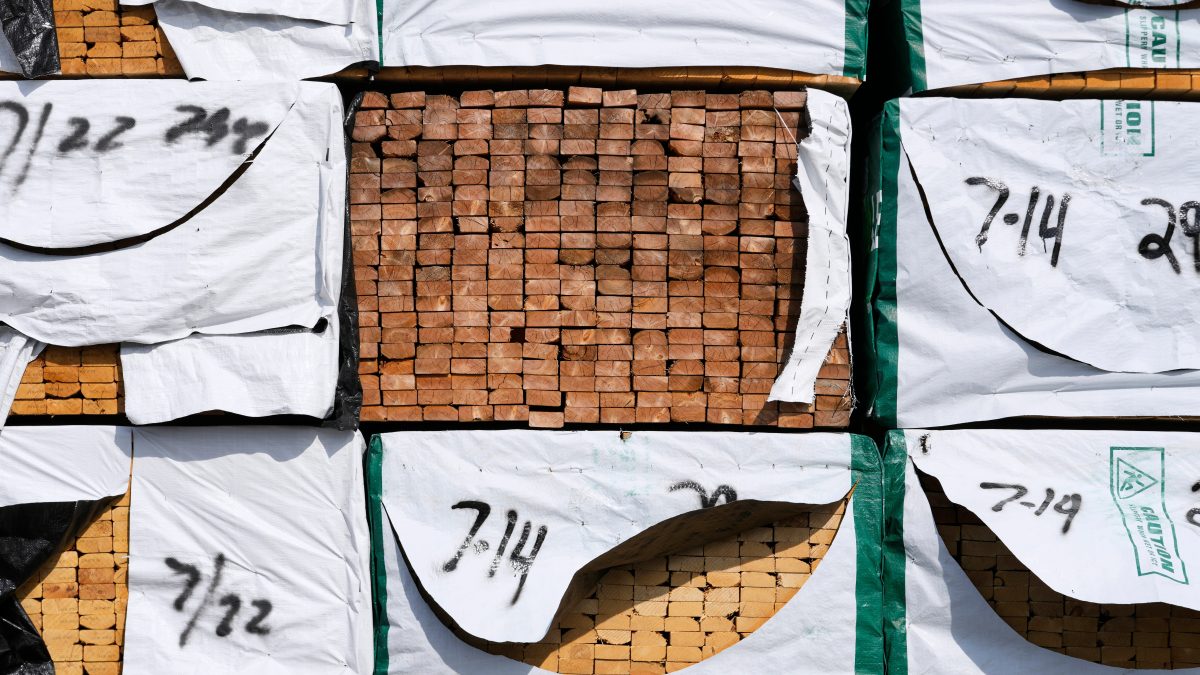
The Canadian measures, enacted through an executive instrument called an order in council, took effect at 12:01 a.m. Tuesday and sweep across hundreds of product categories. Steel, aluminum, cheese, household appliances, clothing, cosmetics, and farm machinery all face new duties set at 15%, 25%, or 50%, depending on the item. In aggregate, the affected goods represent approximately 6% of the $333.6 billion the United States shipped to Canada in the prior year.
Ottawa’s stated principle is strict reciprocity: whatever rate Washington applies to Canadian exports, Canada applies in return to comparable American imports. RBC Economics, the research division of the Royal Bank of Canada, assessed that the package is unlikely to dent overall U.S. growth but warned that individual American firms operating in affected sectors could face acute margin compression.
Pressure Beyond the Tariff Line
Tariffs, however, are only one instrument in a broader campaign of economic and symbolic pressure. Eight of Canada’s ten provinces have moved to restrict or outright ban the sale of American alcohol. According to the Distilled Spirits Council, U.S. spirits exports into Canada dropped more than 70% year over year once those provincial restrictions took hold — a consumer-level sanction that no tariff schedule can replicate.
The rupture in bilateral trade negotiations collapsed on August 21, after which President Donald Trump and members of his administration launched a sustained barrage of new tariffs, public threats, and personal attacks framing Canada as economically dependent and politically weak. On Monday, Trump threatened to prohibit the sale of aircraft built by Canada’s Bombardier unless the company manufactures planes on American soil.
“NO MORE SELLING BOMBARDIER IN THE UNITED STATES! Their products aren’t good enough!” Trump posted on Truth Social. “If they want our Market, they must build here, and stop treating America like a ‘piggybank.'”
Flavio Volpe, president of APMA Canada, a manufacturing trade association, pushed back on X, noting that Bombardier aircraft incorporate U.S.-made GE and Honeywell jet engines and that the company employs roughly 3,000 workers in the United States. U.S. Trade Representative Jamieson Greer separately threatened that Washington could ban certain Canadian goods outright in retaliation.
Sovereignty, Symbolism, and Public Sentiment
Prime Minister Mark Carney has framed the confrontation in terms of national independence, warning that unchecked American demands could hollow out key Canadian industries and constrain the country’s policy autonomy. Yet the very intensity of Trump’s rhetoric — including threats that Canada’s economy could collapse if Carney continued treating him as “the enemy,” and warnings of consequences “worse than anything that has ever happened to a Canadian Politician” — has galvanized domestic support for the prime minister.
The symbolic dimension has escalated in ways few predicted. Trump renamed Lake Ontario “Lake America,” a change that most Canadians ignored and mocked. Google and Apple, under apparent pressure, adjusted their mapping products for U.S. users to reflect the new name. On Monday, Trump published an image of North America draped in the American flag on social media.
“After renaming a gulf and a lake, maybe the next step for him is to rename a river?” said Daniel Béland, a political scientist at McGill University.
Canadian historian Robert Bothwell placed the episode in a wider strategic context:
“Carney and Canada have become symbolic of resistance to him. And what he’ll want to do is make an example of Carney and Canada and theoretically terrify everybody else while in fact showing them that they need to remove themselves even further from the United States.”
Roots of the Rupture
The current confrontation traces its origins to Trump’s return to office, when he imposed a cascade of tariffs on Canadian goods despite having negotiated and publicly praised the North American trade agreement during his first term. Many of those duties violate the pact’s provisions. The break is all the more striking given the depth of the bilateral relationship: deeply integrated supply chains, close defense and security cooperation, extensive cultural exchange, and — before relations deteriorated — approximately 400,000 people crossing the shared border each day.
Nelson Wiseman, professor emeritus of political science at the University of Toronto, observed that Trump’s 2024 reelection deepened Canadian distrust of the United States — not merely of its government, but of American judgment more broadly. Repeated talk of annexing Canada as a 51st state has compounded that anxiety. Canadians have sharply reduced travel to the United States and mounted consumer boycotts of American goods, turning economic interdependence into a lever of domestic political pressure.
Conditions for Re-engagement
Carney has outlined a precondition for resuming negotiations: Americans must, in his words, “stop doing memes, stop throwing shade, stop trying to be tough” and approach the table with seriousness. Until that threshold is met, Ottawa appears prepared to sustain its countermeasures, accepting short-term economic friction in exchange for preserving policy independence. So far, the pressure campaign has produced the opposite of its intended effect in Canada, strengthening public backing for Carney rather than compelling concessions.
Related Reading
Frequently Asked Questions
What is What to know about Canada s escalating?
What to know about Canada s escalating is the main topic of this guide. The article explains the context, practical details, and next steps readers should understand.
Why does What to know about Canada s escalating matter?
What to know about Canada s escalating matters because readers are looking for a useful answer, not just a short summary. Good content should match search intent and help them decide what to do next.