Conflicts Are on the Rise: Global Tensions Hit Post-WWII Highs
Conflicts are on the rise globally, with recent data revealing the highest levels of international strife since the end of World War II. A report from the Uppsala Conflict Data Program (UCDP), based in Sweden, highlights a dramatic increase in state-level disputes in 2025, marking the most significant surge in conflict activity in decades. The analysis, published by Uppsala University researchers, indicates that the number of ongoing conflicts reached a peak, driven by heightened tensions between major powers and regional disputes that have intensified in recent years.
Interstate Wars Surpass Cold War-Era Levels
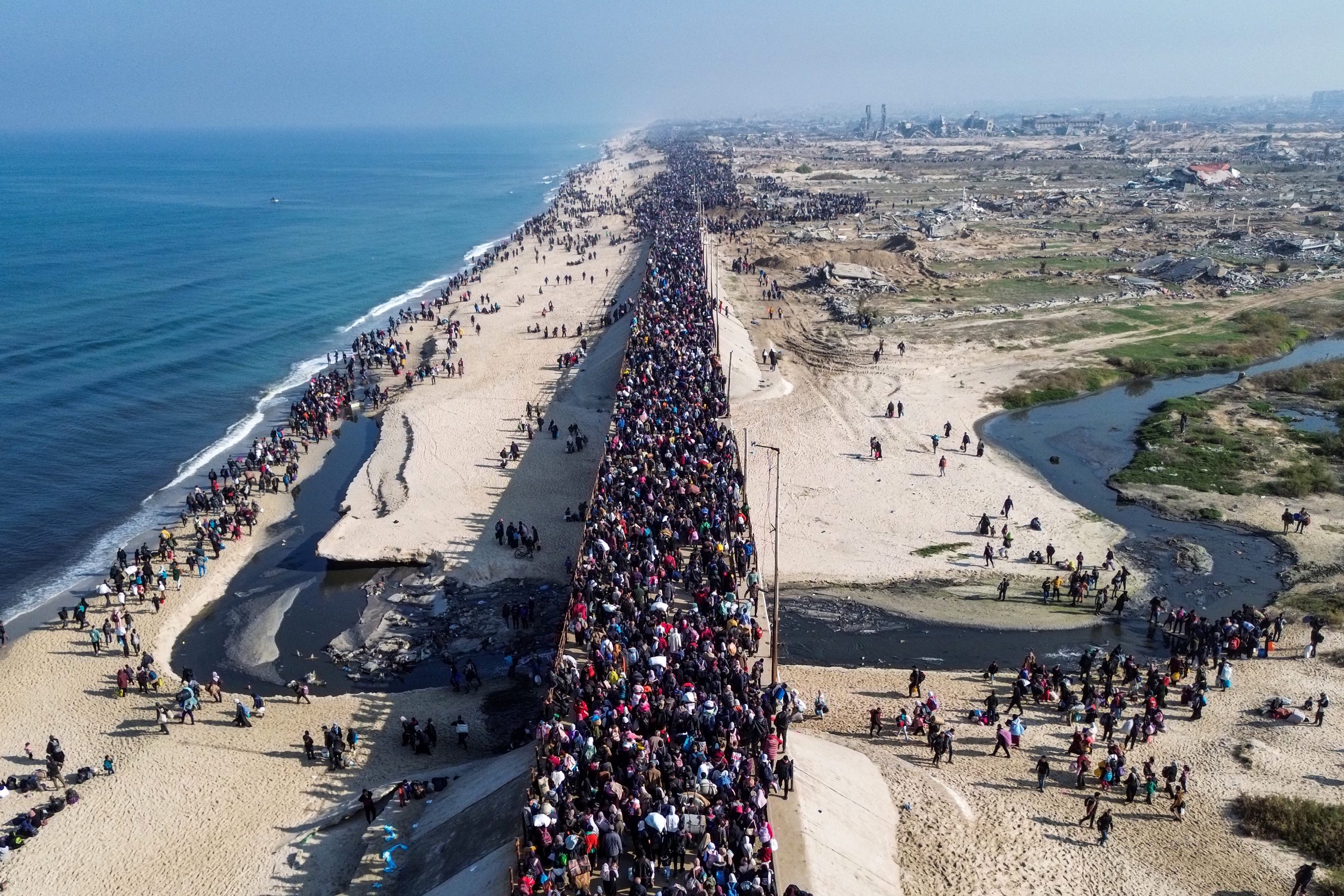
According to the UCDP, the number of active conflicts in 2025 reached 65, surpassing Cold War-era records. This includes eight direct state-to-state wars, a figure that more than doubled from 2024. Conflicts such as Russia’s invasion of Ukraine, the Israel-Iran rivalry, and the ongoing war in Gaza exemplify the growing frequency of large-scale military engagements. Additionally, regional disputes like India-Pakistan clashes and Thailand-Cambodia tensions have contributed to the global surge, underscoring the shifting patterns of modern warfare.
The data also reflects a broader trend in conflict escalation, with the UCDP noting that 13 of the 65 conflicts in 2025 were classified as full-scale wars, defined by over 1,000 annual battlefield deaths. These wars accounted for 90% of all conflict-related fatalities, with the Russia-Ukraine war remaining the deadliest. Conflicts are on the rise, not only in frequency but also in lethality, as the report estimates 77,700 Russian and 14,000 Ukrainian deaths in 2025—figures that, despite discrepancies in official reports, signal a critical turning point in global violence.
Fatalities Reach a Decade High
Conflicts are on the rise, with 2025 witnessing the deadliest toll since the 1990s. The UCDP categorized 13 major wars, accounting for nearly 90% of total casualties. Sudan’s conflict, involving government forces and the Rapid Support Forces (RSF), claimed 12,200 lives, making it the third-deadliest state-based war. While the Israel-Hamas war showed a slight decline in casualties due to ceasefire agreements, the overall death toll in 2025 surpassed 2024’s 187,000, emphasizing the growing intensity of modern warfare.
Analysts attribute this surge to a combination of geopolitical realignments and shifting alliances. The report points to the United States’ reduced role in maintaining global stability, as outlined in its 2025 National Security Strategy, as a key factor. Conflicts are on the rise, particularly in regions where power vacuums and competing interests have created volatile conditions. The UCDP’s data underscores how modern conflicts, whether interstate or intrastate, are increasingly characterized by their scale and human cost.
Understanding Conflict Categorization
The UCDP classifies conflicts into three main types to assess their impact. State-based violence includes civil wars and wars between sovereign nations, such as those in Ukraine, Sudan, and Gaza. Non-state violence involves clashes between rebel groups or non-governmental factions, as seen in Pakistan’s sectarian conflicts and Mexico’s cartel wars. One-sided violence targets civilians directly, with examples like Tanzania’s military actions against protesters and attacks in the Democratic Republic of Congo.
Conflicts are on the rise, and the UCDP’s categorization system helps clarify the nature of these disputes. In 2025, the data revealed a marked increase in civilian casualties, with 244,600 deaths recorded—higher than the previous year’s 187,000. This trend highlights how modern warfare has become more destructive, particularly in regions where state forces and non-state actors engage in prolonged, often brutal conflicts. The report suggests that the growing intensity of these disputes is reshaping the global security landscape.
A Changing Global Security Framework
“The world is entering a new phase of conflict, where traditional alliances are weakening and new power dynamics are emerging,” said Shawn Davies, a senior analyst at the UCDP. “Conflicts are on the rise, not just in number but in their reach and impact, challenging the stability established after World War II.”
The UCDP’s findings suggest that the post-WWII order, which once provided relative stability, is under strain. With conflicts are on the rise, the program emphasizes the need for a reevaluation of global security strategies. The increasing frequency of wars between major powers, coupled with the persistent violence in smaller states, indicates a fundamental shift in how international tensions are managed and resolved. This transformation, according to the researchers, may redefine the future of global conflict in the coming decades.