Daftar Isi
The Silent Killer: How Extreme Heat Threatens Lives
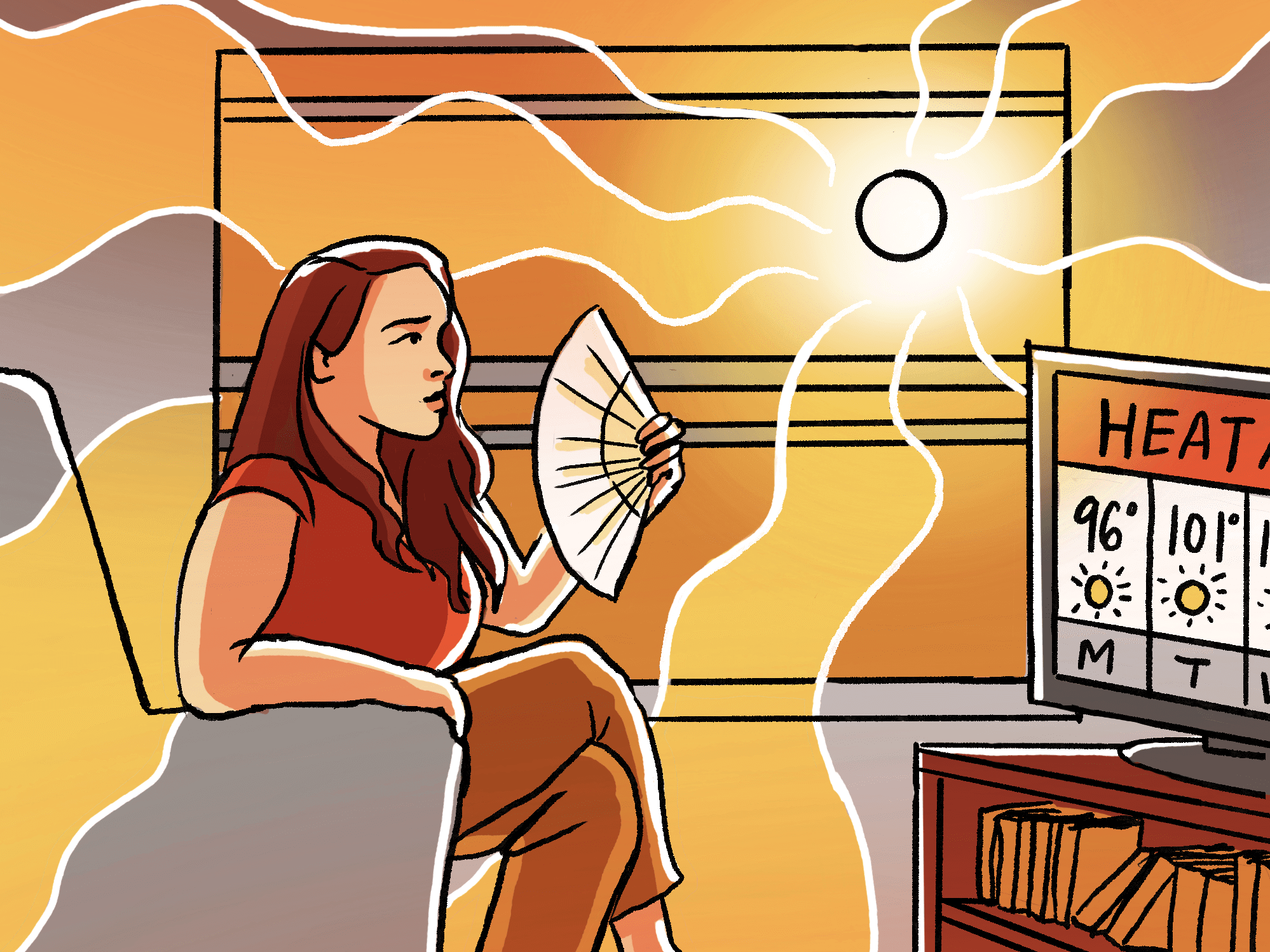
COMIC – Heat waves claim more lives than any other form of extreme weather, according to data from global health organizations. While the human body has a remarkable ability to regulate temperature through sweating, this natural defense mechanism is overwhelmed when ambient conditions exceed its capacity to dissipate heat. In high temperatures combined with humidity, sweat evaporates too slowly to cool the body effectively, leading to a dangerous buildup of internal heat.
The Body’s Cooling System Under Stress
Sweating is the primary method by which the human body maintains thermal balance, but its efficiency depends on environmental factors. When temperatures surpass 90°F (32°C) and humidity levels are high, the body’s core temperature can rise rapidly. This creates a feedback loop where the body’s internal thermostat triggers more sweating, yet the surrounding air retains too much moisture to allow for proper evaporation. As a result, the body struggles to shed excess heat, increasing the risk of heat-related illnesses.
Three Pathways to Organ Failure
Excessive heat disrupts critical bodily functions in three distinct ways. First, it causes hyperthermia, a condition where the body’s core temperature rises above normal levels. This can lead to damage in the brain, heart, and other organs, as the cells begin to malfunction under thermal stress. Second, prolonged exposure to heat strains the cardiovascular system. The heart must work harder to pump blood to the skin for cooling, which can result in dehydration, dizziness, and even cardiac arrest in severe cases. Third, heat depletes fluids and electrolytes, impairing the body’s ability to maintain proper hydration. This not only affects physical performance but also leads to imbalances that can trigger seizures or kidney failure.
Heatstroke: The Most Critical Threat
Heatstroke is the most severe consequence of excessive heat, often described as a medical emergency. Unlike heat exhaustion, which can be managed with rest and fluids, heatstroke occurs when the body’s temperature regulation system fails completely. Symptoms include confusion, rapid pulse, nausea, and a body temperature exceeding 104°F (40°C). Without immediate treatment, such as moving to a cooler environment and applying cold compresses, heatstroke can be fatal within hours.
Prevention and Survival Strategies
Staying safe during a heat wave requires proactive measures. The first step is to monitor weather forecasts and avoid outdoor activities during peak heat hours, typically between 10 a.m. and 4 p.m. When exposed to heat, it’s essential to stay hydrated by drinking water regularly, even if not thirsty. Consuming electrolyte-rich beverages can help replenish minerals lost through sweating. Wearing loose, light-colored clothing and using sunscreen reduces the risk of heat absorption and sunburn, which further compromises the body’s ability to cool itself.
Creating a Cooling Environment
Physical cooling methods are crucial in extreme conditions. Using fans, air conditioning, or even placing a damp cloth on the neck can aid in heat dissipation. If air conditioning is unavailable, creating a cool environment through shade, ventilation, and moisture can significantly reduce risk. It’s also important to check on vulnerable individuals, such as the elderly, young children, and those with chronic health conditions, as they are more susceptible to heat-related illnesses. Keeping their living spaces cool and ensuring access to water can be lifesaving.
Recognizing Warning Signs
Understanding the signs of heat stress is vital for early intervention. Mild symptoms like fatigue or muscle cramps may seem manageable, but they can quickly progress to more serious conditions. If someone experiences a rapid heartbeat, headache, or dry skin without sweating, these are red flags that indicate the body is struggling to cool itself. In such cases, moving to a cooler area and seeking medical attention is necessary to prevent irreversible damage.
Behind the Visual Story
This comic was crafted by artist Connie Hanzhang Jin, who combined scientific accuracy with visual storytelling to explain the dangers of heat waves. The illustration is grounded in research conducted by science reporter Maria Godoy, whose work on climate impacts and health risks provided the foundation for the comic’s content. The project was refined through collaboration with editors Carmel Wroth and Alyson Hurt, who ensured clarity and accessibility for a broad audience.
The comic serves as an educational tool, simplifying complex physiological processes into digestible visuals. By breaking down the mechanisms of heat-induced harm, it empowers individuals to take preventive actions. Public health officials recommend these strategies to mitigate risks, particularly in regions experiencing rising temperatures due to climate change. As heat waves become more frequent and intense, awareness and preparedness are key to reducing mortality rates.
Experts emphasize that even in mild conditions, cumulative heat exposure can have long-term effects. Chronic heat stress may lead to conditions like heat cramps or heat exhaustion, which, if ignored, can escalate into life-threatening situations. Communities must invest in infrastructure that supports cooling, such as shaded public spaces and emergency cooling centers. Individuals should also be educated on the importance of staying informed and taking precautions, especially during prolonged heat events.
Heat waves are not just a temporary inconvenience; they are a growing public health crisis. As temperatures continue to rise, the body’s ability to adapt is being tested. The combination of environmental factors, such as high humidity and prolonged sun exposure, creates a perfect storm for heat-related illnesses. By understanding the science behind these dangers, people can better protect themselves and others. The comic’s creators hope to inspire a culture of vigilance and proactive health management in the face of extreme heat.
Adapting to heat waves also involves lifestyle changes. Staying indoors during the hottest parts of the day, using cooling devices, and adjusting work schedules can minimize exposure. Hydration and nutrition play a vital role in maintaining energy levels and preventing dehydration. Foods high in water content, such as fruits and vegetables, can aid in keeping the body cool. Additionally, regular health checkups are recommended to identify and address individual risk factors.
While the comic highlights the immediate dangers of heat, it also underscores the importance of long-term strategies. Climate change is intensifying heat waves, making them more frequent and severe. Governments and organizations must implement policies that address both the causes and consequences of extreme heat. This includes investing in renewable energy to reduce greenhouse gas emissions and creating urban green spaces to lower ambient temperatures. The goal is to build resilience in communities and reduce the overall impact of heat waves on public health.
Ultimately, the fight against heat-related fatalities begins with education and preparedness. By understanding how the body responds to heat and taking action to stay safe, individuals can significantly reduce their risk. The comic serves as a reminder that heat is not always visible, but its effects can be deadly. Whether through simple steps like drinking water or more complex measures like climate policy, every effort contributes to preventing heat-related deaths. As the planet warms, staying informed and proactive is more important than ever.