
FBI Seizes Evidence at California Plant After Chemical Tank Overheating Incident
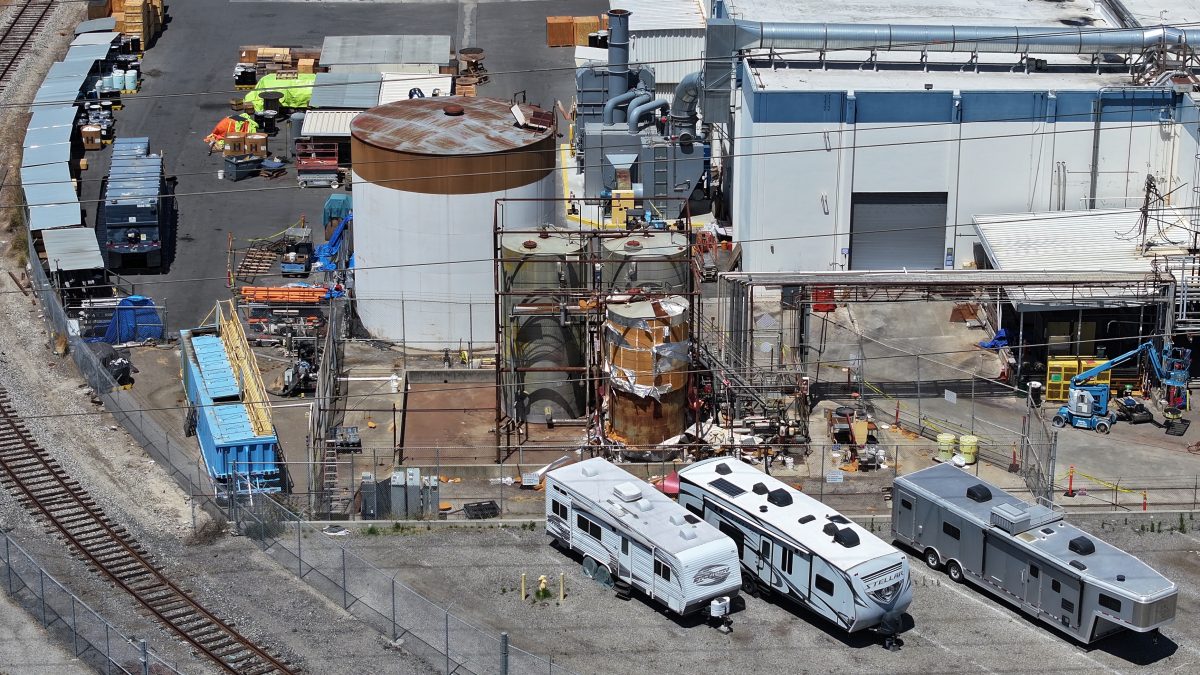
FBI seizing evidence at California plant – On Wednesday, federal agents executed a search warrant at GKN Aerospace Transparency Systems, a Southern California aerospace manufacturing facility in Garden Grove, Orange County. The operation, authorized by a federal judge last week, targeted the site where a chemical tank had previously overheated, prompting the evacuation of over 50,000 residents due to fears of a potentially devastating explosion.
Focus on Methyl Methacrylate and Safety Protocols
The warrant permits the FBI to seize documents and records detailing the “storage, use, or disposal” of methyl methacrylate, the flammable chemical stored in the tank that caused the incident. The chemical, known for its industrial applications, is central to the investigation into how the tank reached unsafe temperatures. Agents are also requested to collect samples from any containers suspected of holding or having contained the substance, as well as any hazardous materials.
In addition to the chemical itself, the search focuses on the cooling systems and other equipment used to manage its temperature. The tank had been maintained at 50 degrees Fahrenheit (10 degrees Celsius) through these mechanisms, but a valve failure led to a rapid temperature rise. This failure, which triggered the emergency, is now under scrutiny as part of the broader inquiry into the plant’s safety measures.
Community Impact and Cleanup Efforts
The Orange County Health Care Agency is overseeing the site’s cleanup and waste removal. Despite plans to extract neutralized methyl methacrylate from storage tanks into sealed trucks for transport and disposal by the end of last week, the operation was delayed due to a shortage of resources. Officials have stated that a new timeline will be announced once the process can resume, ensuring advance notice to affected residents.
Residents and local leaders have raised concerns about the proximity of the chemical tanks to residential areas and commercial zones. During a community meeting, GKN Aerospace’s Steve Carlin acknowledged the disruption caused by the incident and expressed regret for the distress it inflicted on the town. He emphasized the company’s commitment to transparency throughout the investigation.
Details of the Overheating Incident
The overheating event occurred on May 21, with evacuations beginning the following day. According to officials, the tank’s temperature surged from 50°F to 100°F (37.7°C) before crews deployed water sprays to stabilize it. The interior temperature was brought down to 92°F (33.3°C) after several hours of intervention, preventing a catastrophic outcome.
Firefighters and technical specialists worked together to remove insulation from the tank, which helped reduce heat buildup. A crack that formed accidentally on the tank’s surface also released pressure, averting a potential explosion. This relief allowed most evacuees to return home during the Memorial Day weekend, as authorities confirmed the temperature had remained stable for four hours without further action.
Carlin, speaking at a town hall event, praised the efforts of emergency responders and local officials. He highlighted the plant’s role in the community, employing more than 500 people, and reassured residents that the company would provide updates as the investigation progresses. “We are committed to being open and honest with the community,” he said, while acknowledging the significance of the incident.
Legal and Regulatory Actions
The FBI’s investigation is part of a broader examination of safety protocols at the facility. Separately, the Orange County District Attorney’s Office is conducting a criminal inquiry into the incident. A spokesperson for the DA’s office, Kimberly Edds, confirmed that a preservation letter has been sent to GKN, instructing them not to alter or destroy any evidence related to the event.
The Environmental Protection Agency has outlined the health risks associated with exposure to methyl methacrylate. It notes that the chemical can cause respiratory complications, neurological effects, and irritation to the skin, eyes, and throat. These findings underscore the importance of the ongoing investigation into how the tank’s temperature was managed and whether safety standards were followed.
Corporate Response and Future Plans
Representatives from GKN have been actively engaging with the community since the incident. A spokesperson confirmed the company’s cooperation with federal authorities and its plans to continue providing information as the investigation unfolds. The site remains under evaluation, with officials monitoring the chemical’s status and ensuring no residual hazards persist.
While the immediate crisis has been addressed, the long-term implications of the incident are still being analyzed. Carlin noted that the investigation is in its early stages and that no final decisions on relocating the chemical tanks have been made. However, he pledged to keep the community informed as the process develops.
Public Concerns and Calls for Accountability
Residents of Garden Grove have expressed hope that the incident will lead to stricter safety regulations at the plant. Some have called for the relocation of the methyl methacrylate tanks to areas farther from populated regions. Carlin, however, emphasized that such decisions require thorough analysis and are not being rushed.
Local leaders have also urged GKN to prioritize community safety. The event, which disrupted daily life and raised safety concerns, has prompted discussions about industrial risk management in the area. As the FBI and other agencies continue their work, the community watches closely for updates and potential changes to the plant’s operations.
With the search warrant execution marking a key step in the investigation, the focus now shifts to determining the root causes of the valve failure and evaluating the adequacy of the company’s response. The findings may influence regulatory actions and future safety standards for chemical storage in aerospace manufacturing facilities across the region.
Environmental and Industrial Implications
Methyl methacrylate, a key component in the production of plastics and coatings, is not only used in aerospace applications but also in consumer goods like dental prosthetics and Plexiglas. Its flammable nature means that even a minor temperature fluctuation can lead to significant risks, especially in densely populated areas.
The incident has sparked a renewed interest in industrial safety practices. Experts are analyzing whether the cooling system’s design and maintenance were sufficient to prevent the temperature spike. Additionally, the EPA and other regulatory bodies are likely to review the situation to ensure that similar incidents are avoided in the future.
As the FBI’s evidence collection continues, the investigation may uncover new insights into the incident’s origins. The company’s cooperation with authorities will be critical in determining whether the event was an accident or a result of systemic failures. Residents remain hopeful that the process will lead to meaningful improvements in safety measures at the plant.
With the temporary evacuation lifted and the tank’s temperature stabilized, the immediate threat has subsided. However, the incident has left a lasting impact on the community, prompting calls for greater oversight and accountability in industrial operations. As the investigation progresses, the public will be watching to see how GKN Aerospace addresses these concerns and what steps they take to prevent future emergencies.